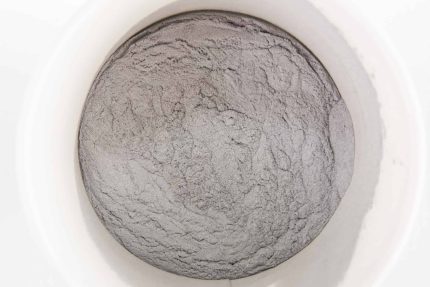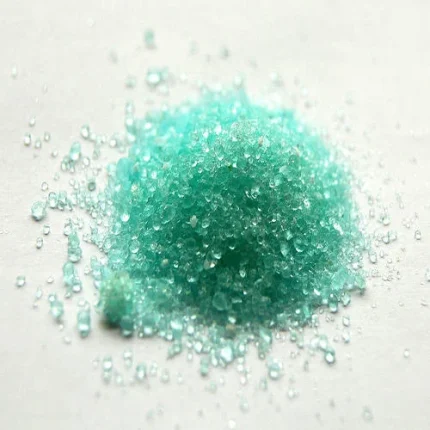

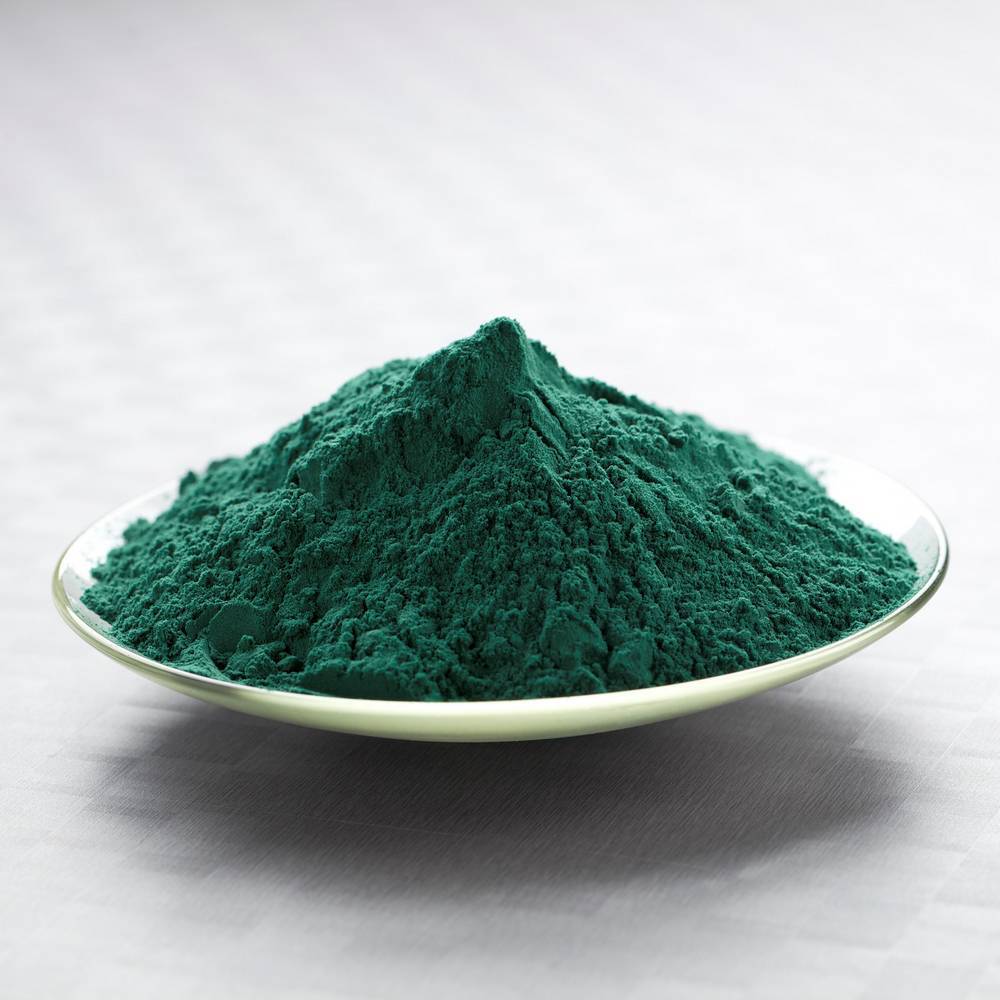

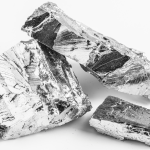

Chromium oxide green is supplied for pigments ceramics refractory and industrial processing.
Chromium Oxide Green (Cr₂O₃) is an inorganic compound widely used as a highly stable, opaque green pigment in industrial, artistic, and cosmetic applications due to its excellent heat, light, and chemical resistance.
Key Properties
Chromium oxide green (Pigment Green 17, or CI 77288) is valued for its permanence and stability.
Appearance: A deep, olive to mid-green, fine, crystalline powder.
Chemical Stability: Highly resistant to acids, alkalis, solvents, and most other chemical agents.
Heat Resistance: Extremely heat stable, maintaining its color and structure at temperatures up to 1000°C and having a high melting point of over 2400°C, making it suitable for high-temperature applications like ceramics and refractories.
Lightfastness and Weatherability: Possesses excellent lightfastness (rated I by ASTM) and weather resistance, ensuring long-lasting color retention in outdoor applications.
Opacity: A dense, opaque pigment with strong hiding power.
Toxicity: In the form of trivalent chromium (Cr³⁺) oxide, it is considered non-toxic and environmentally safe, unlike hexavalent chromium (Cr⁶⁺) compounds.
Primary Uses
Its robust properties make chromium oxide green ideal for a diverse range of applications:
Paints and Coatings: Extensively used in paints, industrial coatings, and architectural coatings, especially those requiring high durability and resistance to harsh environments. It is notably used in military camouflage paint because it mimics the infrared reflectance of natural vegetation.
Ceramics and Glass: A vital colorant for creating stable green shades in ceramic glazes, enamels, and glass, as it withstands the high temperatures of firing processes.
Metallurgy and Refractories: Incorporated into refractory bricks for lining furnaces and kilns due to its high melting point. It is also used as a raw material in the production of chromium metal and alloys like stainless steel to enhance corrosion resistance.
Abrasives and Polishing: In its paste form (sometimes called “green compound”), it is a popular abrasive used for polishing metals and sharpening tools like knives and razors.
Cosmetics: Approved by the FDA for use in externally applied cosmetics, including eyeshadows and nail polish, where it is known as CI 77288.
Artistic Applications: A common and valued pigment for artists’ oil paints, acrylics, and watercolors due to its permanence and the wide range of earthy greens it can produce when mixed.