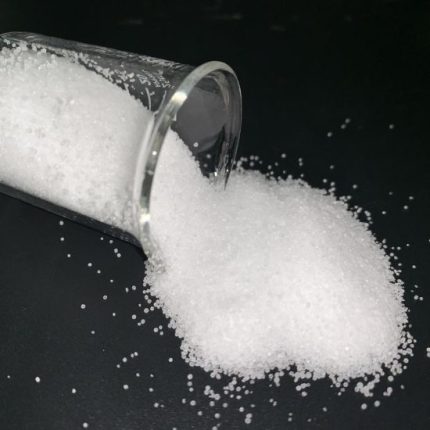

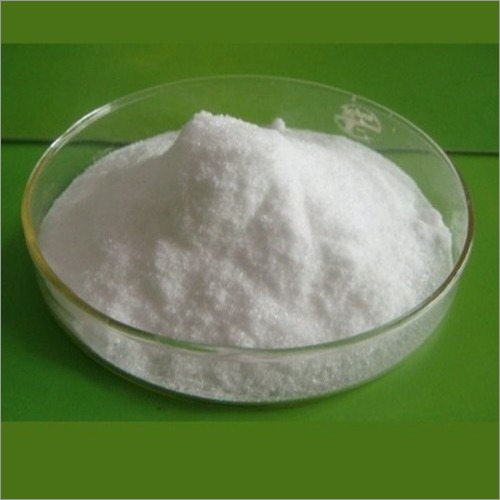

Antimony potassium tartrate is supplied for analytical chemistry and controlled laboratory applications.
Antimony Potassium Tartrate Hydrate, also known as tartar emetic, is a white, water-soluble crystalline compound historically used as an emetic, expectorant, and treatment for parasitic diseases like schistosomiasis. It acts as an anthelmintic agent but has largely been replaced by safer alternatives due to potential toxicity. It is also used in the textile industry for dyeing.
Key Details and Applications:
Alternative Names: Potassium antimonyl tartrate, Tartar emetic, Potassium antimony(III) tartrate.
Properties: Appears as colorless crystals or white powder, soluble in water, with a density of 2.6 g/mL at 25 °C.
Medical Use: Historically used to treat leishmaniasis and schistosomiasis, and as a nauseant/expectorant.
Industrial Use: Employed in the textile industry to assist in binding dyes to fabrics.
Safety: Known to cause significant side effects and cardiac toxicity.
Common Forms:
Antimony Potassium (+) Tartrate Hydrate: Often used in laboratory settings as a reagent.
Potassium Antimonyl Tartrate Trihydrate: A common, highly purified (≥99%) form for analytical applications.