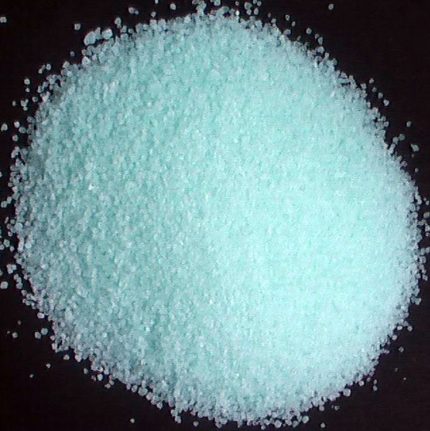


Apatite is supplied as a mineral raw material for industrial research and specialty applications.
Key Properties
Chemical Formula: Apatite has the general formula meaning it can contain fluoride, chloride, or hydroxyl ions.
Hardness: It defines the index mineral for 5 on the Mohs scale of hardness, making it a relatively soft stone that is prone to scratching.
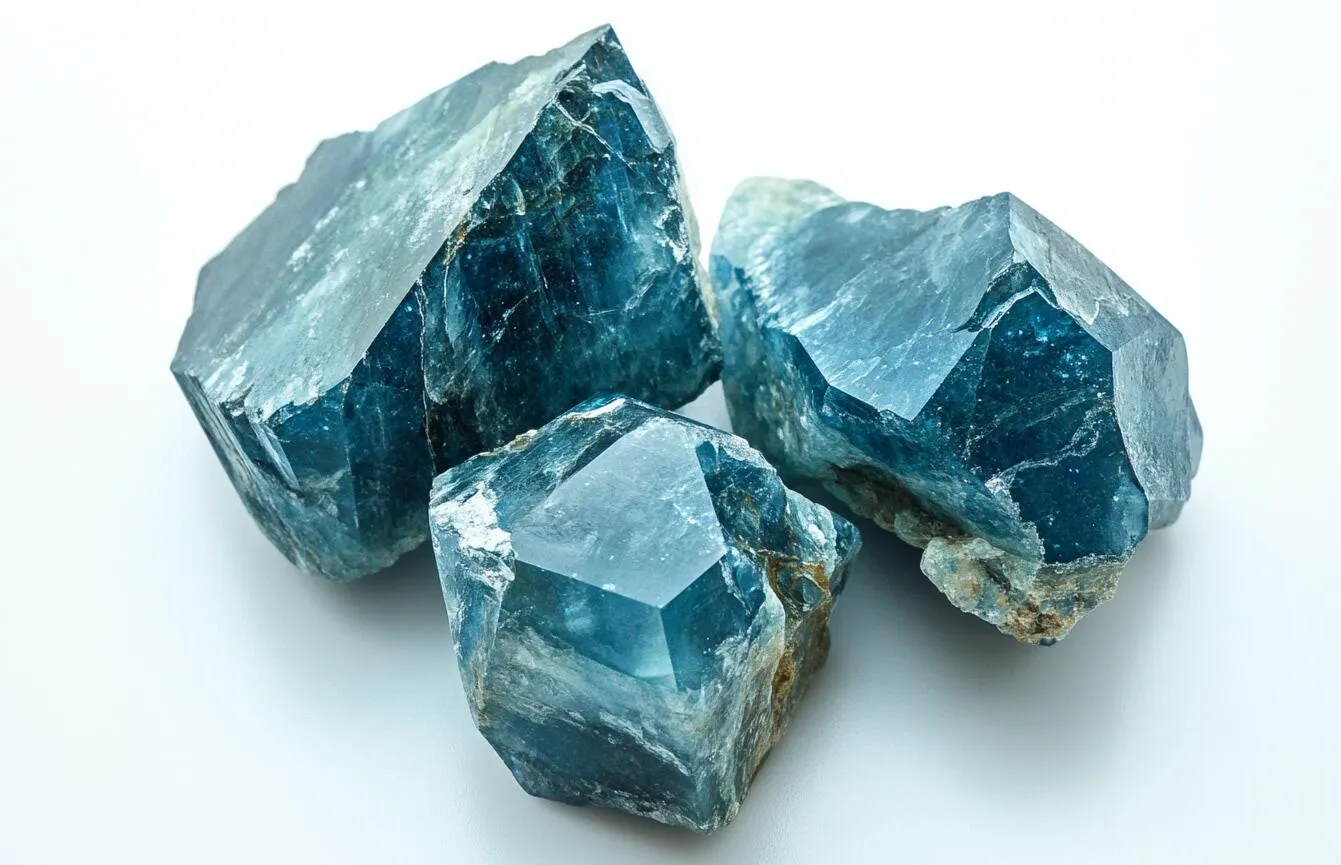
Color and Varieties: Apatite occurs in many colors, including green, blue, yellow, pink, and purple. Notable varieties include “asparagus stone” (green), “moroxite” (blue-green), and “cat’s-eye apatite” (chatoyant specimens with rutile inclusions).
Geological Occurrence: It is found in all three major rock types—igneous, metamorphic, and sedimentary—and even in lunar rocks and meteorites. Large deposits of phosphate rock are rich in massive, microcrystalline apatite.
Uses
Agriculture: The primary use of apatite is as the essential source of phosphorus in the manufacture of phosphate fertilizers, crucial for global food production.
Biology and Medicine: Hydroxyapatite, a form of apatite, is the main mineral component of human and animal bones and teeth. Synthetic apatites are used in biomaterials for bone graft therapy and as coatings on dental and orthopedic implants due to their biocompatibility.
Gemstone: Transparent, vivid-colored specimens, particularly the neon blue variety from Madagascar, are valued by collectors and occasionally used in jewelry (best suited for earrings and necklaces due to their softness).
Geochronology: Geologists use traces of uranium and lead in apatite crystals to date rocks and determine their thermal histories.
Industrial: It is used as an ore for rare-earth elements, in the production of phosphoric acid, and historically as a pigment.