

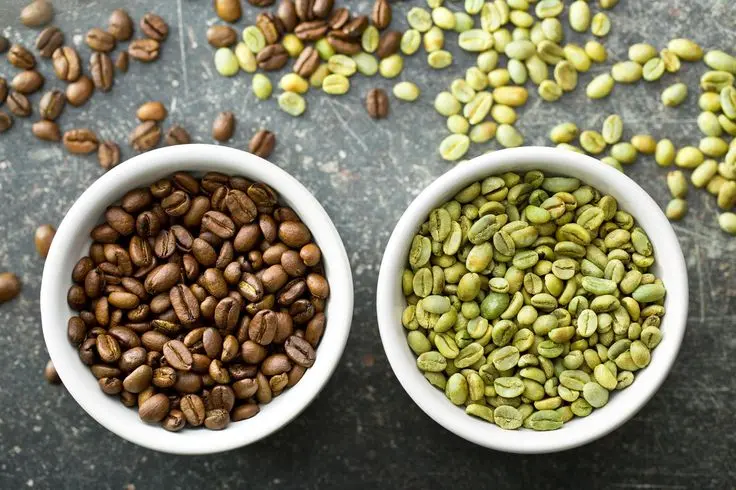


Coffee Green and Roasted
Coffee commodity for beverage and ingredient markets

Green and roasted coffee beans are traded globally for beverage production and ingredient applications according to grade and origin.
Green coffee beans are the raw, unroasted seeds of the coffee cherry, characterized by a hard texture, grassy aroma, and high levels of chlorogenic acid. Roasting transforms these, using high heat (
>400∘Fis greater than 400 raised to the composed with power to trigger the Maillard reaction, which develops the coffee’s, aroma,, dark brown color, and complex flavors. While green beans have a long, stable shelf life, roasted beans offer the palatable, aromatic experience intended for consumption.
Key Differences Between Green and Roasted Coffee
Physical Properties: Green beans are dense, hard, and light green/pale. Roasted beans are brittle, porous, and brown.
Flavor Profile: Green coffee has a mild, grassy, or vegetal taste. Roasted coffee has a complex, rich, and aromatic flavor profile, ranging from fruity to smoky depending on the roast level.
Chemical Composition: Green beans have higher acidity, sugar, and antioxidant (chlorogenic acid) levels. Roasting reduces moisture and, while it slightly reduces caffeine, it creates the compounds that produce coffee’s characteristic aroma and flavor.
Storage: Green coffee can be stored for long periods without losing quality. Roasted coffee is best consumed within 2–7 days of roasting for peak flavor.
Usage: Green beans are used for producing specialty coffee, blending, or in some health/weight-loss products. Roasted beans are ground and brewed for consumption.
The Roasting Process
Roasting is the crucial step that transforms the raw, grassy green bean into a flavorful, aromatic,, and consumable product. It involves:
Maillard Reaction: A heat-induced reaction between sugars and amino acids that creates brown color and complex flavors.
Moisture Removal: High temperatures remove moisture from the beans.
Flavor Development: The length of the roast determines the final taste:
Light Roast: Retains more of the bean’s original, acidic, or fruity characteristics.
Medium Roast: Balances acidity and body.
Dark Roast: Produces deep, bold, and sometimes smoky flavors.


