

Sugar
Refined and raw sugar for food manufacturing

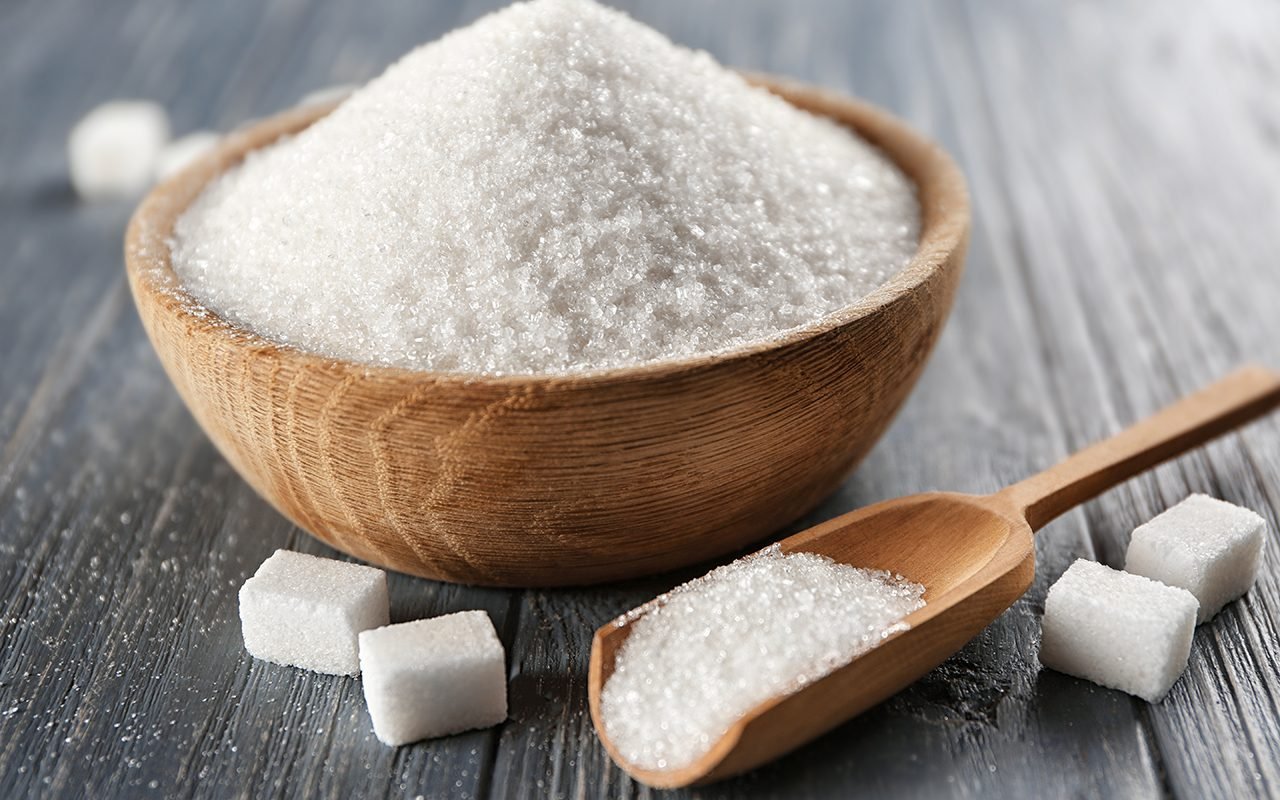
Sugar is supplied in refined and raw forms for food processing beverage production and industrial applications.
Sugar is a generic term for sweet-tasting, soluble carbohydrates (monosaccharides and disaccharides) used for energy, with sucrose (table sugar) derived primarily from sugar cane or beet. While essential for providing energy, excessive consumption of added sugars—found in processed foods, drinks, and sweets—is linked to health risks like obesity and, say, this Liv Hospital article.
Key Aspects of Sugar
Types: Simple sugars (monosaccharides) include glucose, fructose, and galactose, while compound sugars (disaccharides) include sucrose (glucose + fructose), lactose, and maltose.
Natural vs. Added: Natural sugars exist in fruits, vegetables, and dairy, often accompanied by nutrients
. Added sugars are incorporated during processing or cooking to increase sweetness and improve shelf life.
Health Impacts: High intake of added sugar can lead to energy crashes, weight gain, inflammation, and reduced skin quality, note YouTube video 1 and YouTube video 2.
Reduction Methods: Approaches to reducing intake include quitting “cold turkey” or making gradual, long-term reductions, as discussed in this YouTube video.