



Xanthan gum is widely used as a stabilizer thickener and emulsifier in food products.
Food-grade xanthan gum (E415) is a versatile, natural thickening and stabilizing powder produced by fermenting simple sugars (often corn) using Xanthomonas campestris. It is widely used in gluten-free baking, sauces, dressings, and dairy products to improve texture, prevent separation, and enhance moisture retention at low concentrations (0.1%–1%). It functions as a cold-water-soluble, shear-thinning agent.
Key Aspects of Food-Grade Xanthan Gum
Functions: Acts as a stabilizer, thickener, and emulsifier, providing a creamy texture and preventing ingredient separation.
Applications: Essential in gluten-free baking (provides elasticity/structure), salad dressings, sauces, ice cream, yogurt, and beverages.
Usage: Highly effective at low concentrations, typically 0.1% to 1% by weight. It is often used in concentrations of 0.1%–0.5% for sauces and up to 1% for thicker, custard-like textures.
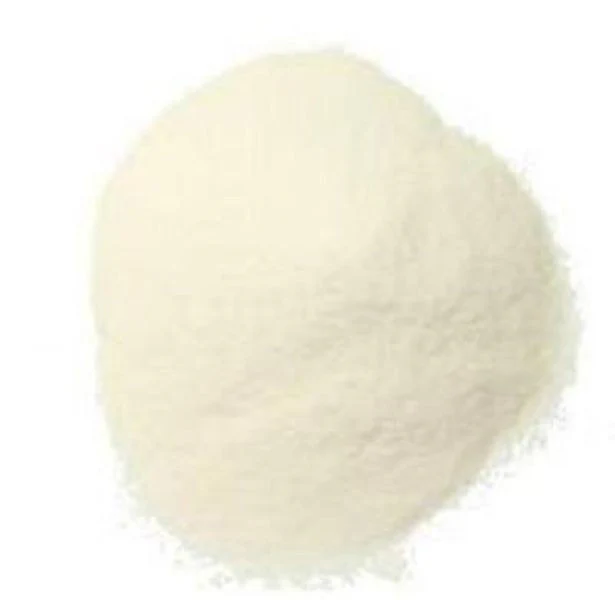
Properties: Appears as a fine white to cream-colored powder, often sold in 80 or 200 mesh sizes for rapid dispersion. It is pseudoplastic, meaning it thins when shaken or stirred (shear) and thickens again when at rest.
Safety & Composition: It is generally recognized as safe, gluten-free, and vegan, derived through fermentation. It is often packed in 1kg or 25kg containers for commercial or home kitchen use.
Tips for Use: To avoid clumping, it is best dispersed by mixing with oil, glycerin, or dry ingredients before adding to water.
Food-grade xanthan gum is a crucial ingredient for creating stable emulsions and improving the texture of various foods, including gluten-free products and sauces.


