
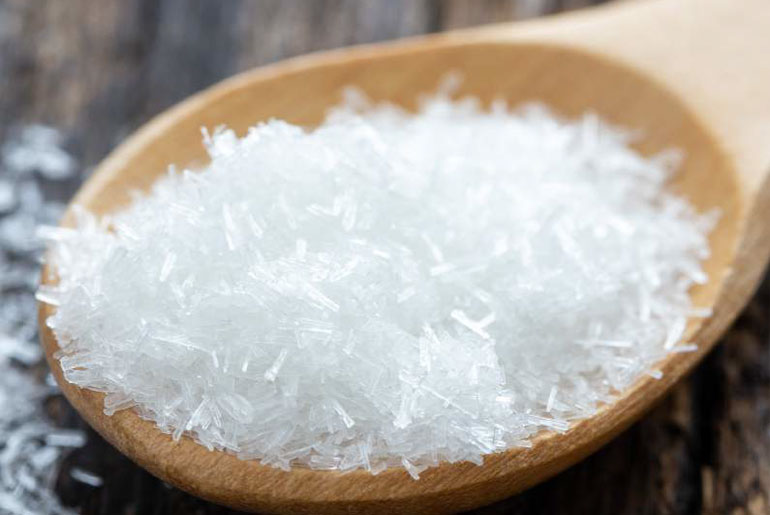
Monosodium Glutamate MSG

MSG is used as a flavor enhancer in food processing and culinary applications.
Key Facts About MSG
Safety Status: The US Food and Drug Administration (FDA) and other health authorities like Health Canada classify MSG as Generally Recognized as Safe (GRAS).
Sodium Content: MSG contains roughly one-third the sodium of table salt (about 12% vs. 39%). Using it in combination with salt can reduce total sodium intake by up to 40% without sacrificing flavor.
Natural Sources: Glutamate is naturally present in protein-rich foods like tomatoes, aged cheeses (Parmesan), mushrooms, seaweed, and walnuts. Your body metabolizes added MSG the same way it does naturally occurring glutamate.
Production: Modern MSG is typically produced via bacterial fermentation of plant-based starches like sugar cane, beets, or cassava—a process similar to making yogurt or vinegar.
The “Bad Rap”: Much of the stigma originated from a 1968 letter to a medical journal describing “Chinese Restaurant Syndrome.” Decades of scientific research have since found no consistent link between MSG and these symptoms in normal dietary amounts.
Common Uses & Cooking
Savory Dishes: It works best in soups, stews, gravies, and marinades.
Replacement Ratio: A common guide is to use 1/2 teaspoon of MSG for every pound of meat or 4–6 servings of vegetables.
Processed Foods: It is a frequent ingredient in chips (like Doritos), canned soups, frozen dinners, and fast food to enhance palatability.
While safe for the general population, a very small subset of people (less than 1%) may be sensitive to large doses (3g or more) consumed without food, which can cause temporary symptoms like flushing or headaches.