

Quicklime
Quicklime suitable for laboratory and industrial applications.

Understanding Quicklime and Its Uses
Quicklime, a crucial material in various industrial processes, is highly valued for its exceptional chemical properties and versatility. This compound, also known as calcium oxide (CaO), results from the thermal decomposition of limestone. With its ability to react with moisture and carbon dioxide, quicklime plays a significant role in multiple applications that span across chemical processing, manufacturing, and environmental management. In this article, we will explore the diverse quicklime uses and how its properties make it indispensable in various sectors.
What is Quicklime?
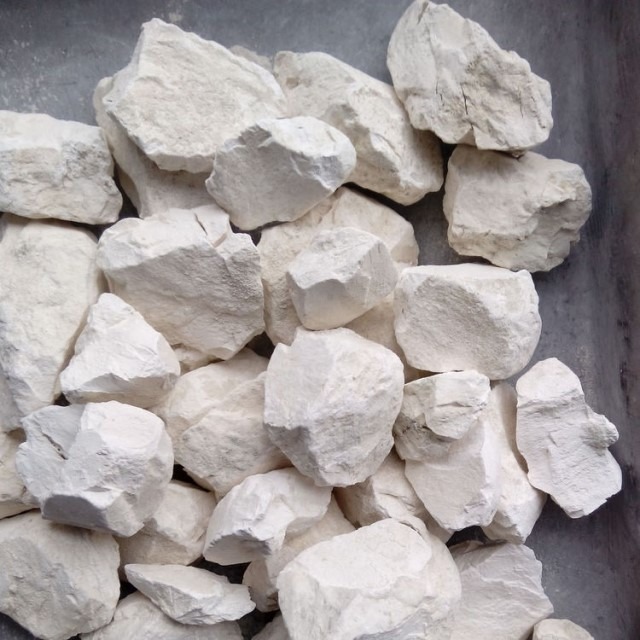
Quicklime is created by heating limestone in a kiln, a process known as calcination. This thermal reaction not only produces quicklime but also emits carbon dioxide. The resultant quicklime is a fine white powder that reacts vigorously with water, making it hygroscopic and highly reactive. This characteristic makes it essential in several industrial applications, where its reactivity can be leveraged for numerous benefits.
Quicklime Uses in Industry
1. Chemical Processing
One of the primary quicklime uses lies in chemical processing. It is an essential ingredient in manufacturing various chemicals, including sodium hydroxide, calcium carbide, and cellulose products. Its ability to neutralize acids and act as a drying agent enhances its role in this sector. Chemical engineers often choose quicklime due to its high reactivity, which facilitates efficient and effective reactions, making production processes more streamlined.
2. Water Treatment
Another significant application of quicklime is in water treatment plants. It is used to adjust the pH of water, helping to remove impurities and ensure that the water meets safety standards. When added to water, quicklime reacts with carbon dioxide to form calcium carbonate, which precipitates out contaminants. This reaction not only enhances water quality but also aids in the removal of heavy metals and harmful substances, contributing to safer drinking water.
3. Construction and Building Materials
In the construction industry, quicklime is a vital ingredient in the production of plaster, mortar, and cement. When mixed with sand and water, quicklime hardens, providing strength and durability to building materials. Its ability to absorb moisture allows it to serve as a solid foundation for various construction applications. Additionally, quicklime is used for soil stabilization, making it easier to work with the land for foundation and roadway construction.
Environmental Applications of Quicklime
1. Flue Gas Treatment
Quicklime is increasingly being used for flue gas treatment in power plants. The compound reacts with sulfur dioxide emissions, leading to the production of calcium sulfite, which can then be transformed into gypsum. This process not only mitigates air pollution but also helps in converting waste products into reusable materials, contributing to more sustainable industrial practices.
2. Waste Management
In waste management, quicklime serves as a powerful agent for neutralizing hazardous materials. It effectively helps in solidifying and stabilizing waste, rendering it safer for disposal. The high alkaline nature of quicklime attracts and neutralizes harmful contaminants, particularly in landfills. This reaction assists in reducing leachate generation, preventing groundwater contamination.
Quicklime in Agriculture
Quicklime is also valuable in agriculture, where it serves multiple functions. It can be used to neutralize acidic soils, improving soil structure and enhancing fertility. By raising the soil’s pH level, quicklime creates a more favorable environment for crops, promoting better yields. Additionally, it acts as a pesticide, helping to control certain pests and diseases that can affect crop health.
Conclusion
The numerous quicklime uses highlight its importance across different industries, from chemical processing to environmental management and agriculture. Its unique properties not only make it an effective chemical agent but also a key player in promoting safety, sustainability, and efficiency in various applications. Understanding these uses can help industries make informed decisions about integrating quicklime into their processes, ultimately leading to enhanced performance and better outcomes. Whether in constructing robust buildings, treating water, or supporting agricultural growth, quicklime continues to stand out as a versatile and essential compound in the modern world.