

Lactic Acid Food Grade

Lactic acid is used as an acidity regulator preservative and fermentation aid in food processing.
Food-grade lactic acid is a commonly used, safe, and versatile ingredient, typically found as an 80% liquid solution or 60% powder, produced by fermenting sugars. It functions as a mild-tasting preservative, flavoring agent, and pH regulator in processed foods like cheese, yogurt, beverages, and baked goods.
Key Details on Food Grade Lactic Acid
Common Concentrations: Usually supplied as 80% (liquid) or 60% (powdered) concentrations.
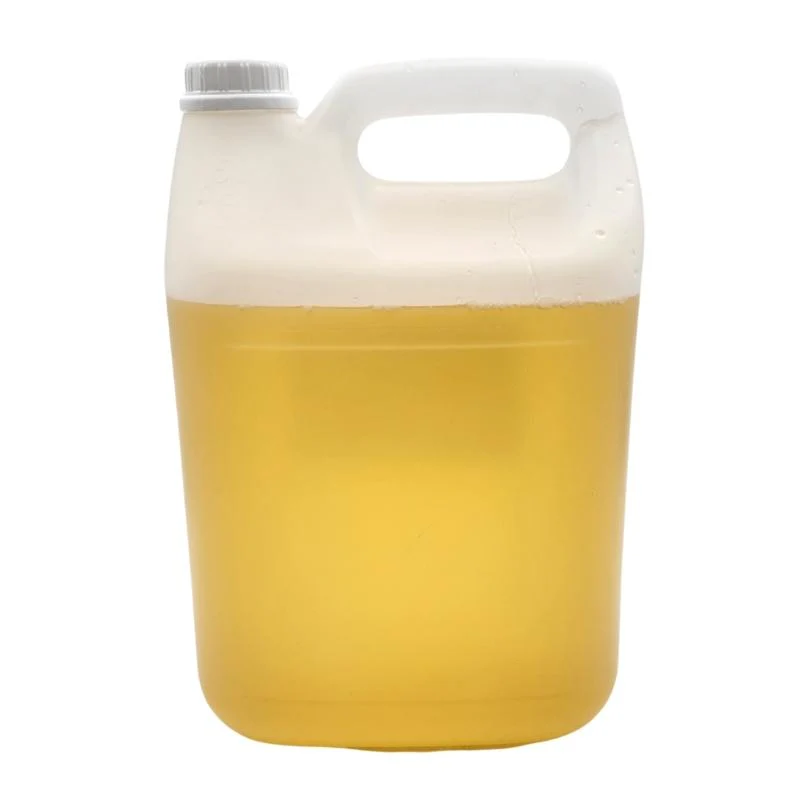
Form: A colorless to slightly yellow, viscous, hygroscopic liquid.
Applications:
Food Industry: Used in fermented foods, sauces, confectionery, and baked goods to enhance flavor and extend shelf life.
Dairy: Coagulates casein in cheese production.
Preservation: Acts as an antimicrobial agent in meat and brewery applications.
Brewing: Used in brewing to adjust pH.
Properties: Acts as an acidity regulator and is generally recognized as safe (GRAS).
Production: Derived from the natural fermentation of carbohydrates or via synthetic processes.
Safety: While food-grade, concentrated lactic acid (80%) can cause skin irritation and serious eye damage, so it should be handled with care.
It is widely used for enhancing the natural tanginess in vegan cheeses and to improve the texture of, and extend the shelf life of baked goods.