
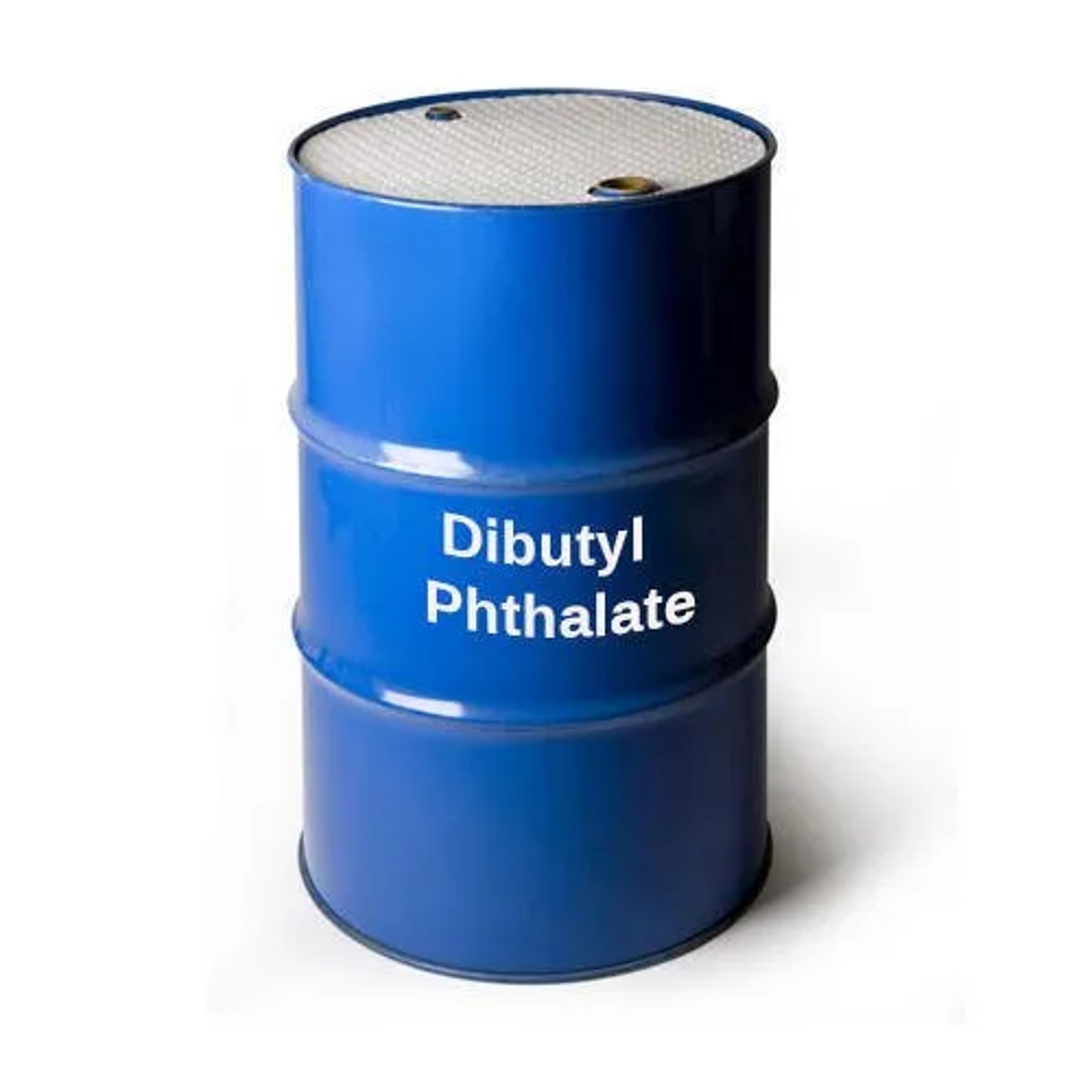

Dibutyl phthalate is used as a plasticizer and solvent in industrial chemical formulations.
Dibutyl phthalate (DBP) is
a colorless, oily liquid industrial chemical primarily used as a plasticizer to increase flexibility in plastics (especially PVC), adhesives, coatings, and inks. It is also utilized in personal care products like nail polish and in some explosives. DBP is considered toxic to reproduction and has been restricted in toys and cosmetics in certain regions.
Health Concerns: The Centers for Disease Control and Prevention notes that while DBP is common in the environment and human exposure is frequent, it is classified as a potential reproductive and developmental toxicant. It is linked to reduced fertility in animal studies.
Regulatory Status: DBP is banned in toys and childcare articles in the European Union and restricted in cosmetics, such as nail polish.
Environmental Impact: It is considered very toxic to aquatic organisms and is classified as “dangerous to the environment”. It breaks down relatively quickly in the air but can persist in water, sediment, and soil.
Exposure Reduction: To reduce exposure, consumers can avoid plastics labeled with recycling code 3 (PVC/Vinyl) and opt for products labeled “phthalate-free”.