

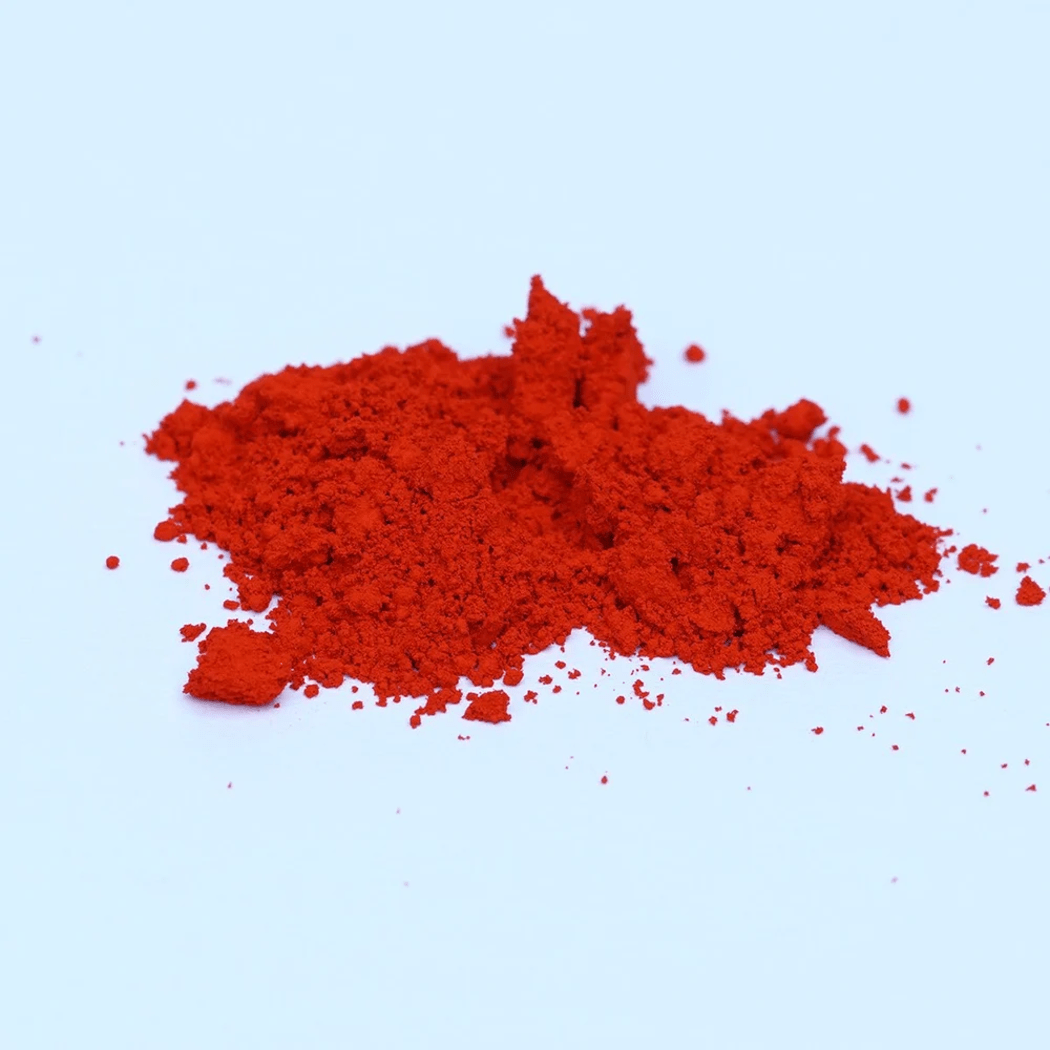


Congo red is a laboratory indicator dye used in analytical chemistry and research.
Congo Red is a synthetic anionic diazo dye known for its reddish-brown powder form and high water solubility. Primarily used as a histological stain for identifying amyloid deposits, it acts as a pH indicator, changing from red to blue in acidic environments It has historical significance as a textile dye and is used in microbiological studies, although it is recognized as having carcinogenic and reproductive toxic properties.
Key Characteristics and Uses:
Staining Agent: Used to identify amyloid deposits in tissues, which appear red under normal light and display apple-green birefringence under polarized light.
pH Indicator: Changes color from red in neutral/alkaline solutions to dark blue in acidic solutions (below pH 3).
Microbiology: Used in identifying bacteria and fungi, particularly for staining cell walls.
Medical Diagnostic: Used for detecting gastric acid production and amyloidosis.
Safety and Properties:
Hazards: Classified as a carcinogen and a mutagen, with potential reproductive toxicity.
Handling: Requires proper protective equipment (gloves, goggles) and ventilation.
Structure:
Name Origin: Derived from the 1885 Berlin Conference (“Congo Conference”) regarding African colonisation.
Usage in Diagnostics:
Congo Red is a reliable stain for amyloidosis, including:
Fibrillary glomerulonephritis.
Hyalinizing trabecular adenoma of the thyroid gland.
Cardiac amyloidosis.