


Lithium ion battery scrap is recycled for metal recovery.
Lithium-ion (Li-ion) battery scrap, derived from EVs, electronics, and solar storage, is a valuable resource containing cobalt, nickel, and lithium, but poses significant fire risks if improperly handled. Specialized recycling, such as hydrometallurgy or pyrometallurgy, extracts these metals for reuse, supporting a circular economy. Responsible disposal requires using certified, hazardous-waste-compliant, and specialized collectors to safely manage the materials and mitigate environmental contamination.
Key Aspects of Li-ion Battery Scrap Management
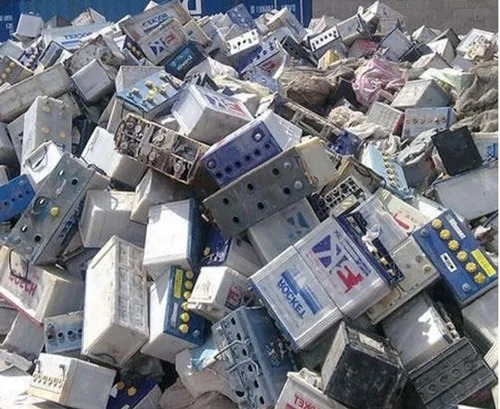
Sources & Types: Scrap comes from manufacturing defects, end-of-life electric vehicles (EVs), laptops, cellphones, and solar energy storage systems.
Hazardous Nature: Improperly disposed Li-ion batteries can cause fires and chemical leaks. They should never be thrown into regular household garbage.
Collection & Recycling: Specialized companies, such as Desco Electronic Recyclers, handle the transport and safe processing of battery scrap, often using mechanical shredding to create “black mass” for further refining.
Material Value: The process recovers valuable metals (cobalt, lithium, nickel, manganese) and materials (copper, aluminum, plastic) that can be reused in new battery production.