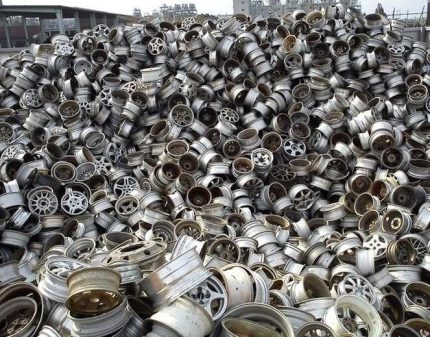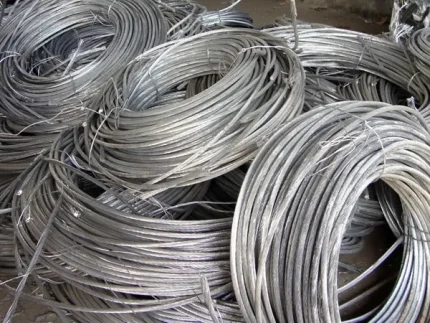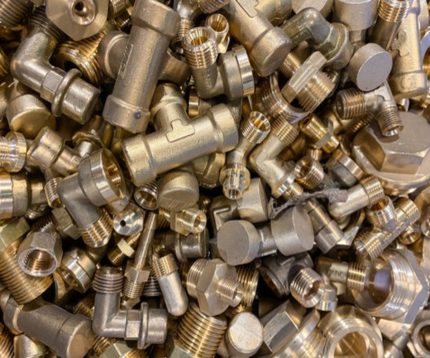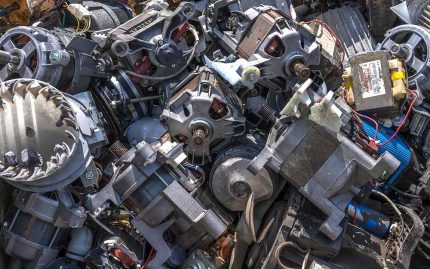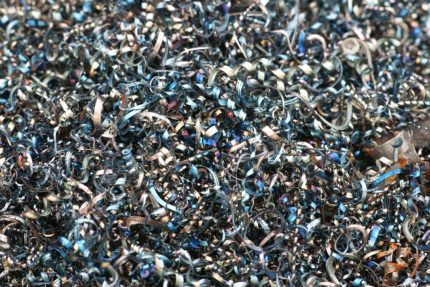

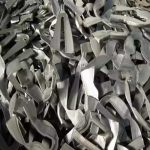

Nickel scrap is used in alloy recycling and metallurgy.
Nickel scrap is a highly valued industrial resource primarily sourced from manufacturing waste, end-of-life products, and specialized alloys. It plays a critical role in the global economy, especially for the stainless steel and battery industries.
Types and Sources of Nickel Scrap
Nickel scrap is categorized by its purity and the alloys it contains:
Pure Nickel Scrap: High-purity sources like nickel plates, sheets, or buttons from manufacturing byproducts.
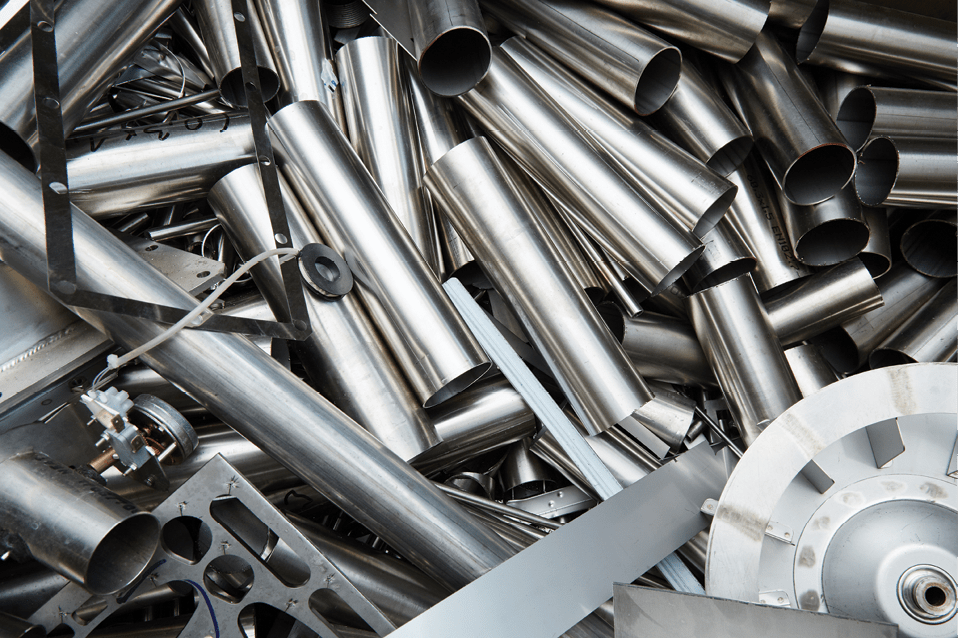
Stainless Steel Scrap: The most abundant source, typically containing 8–12% nickel. Common sources include kitchenware, medical instruments, and automotive parts.
Nickel Alloy Scrap: High-value alloys such as Inconel, Monel, and Hastelloy, which are used in aerospace, marine, and chemical processing.
Battery Scrap: Sourced from lithium-ion, Ni-Cd, and NiMH batteries.
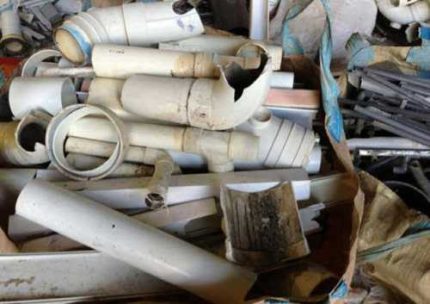
Electroplated Objects: Items like plumbing fixtures and pipes often have nickel coatings for corrosion resistance.
Benefits of Recycling
Energy Efficiency: Recycling nickel consumes up to 70% less energy than primary mining.
Sustainability: Nickel can be recycled infinitely without losing its chemical properties.
Circular Economy: Approximately 68% of nickel in consumer products is currently recycled, meeting a significant portion of global demand.