
Potassium Chloride KCl

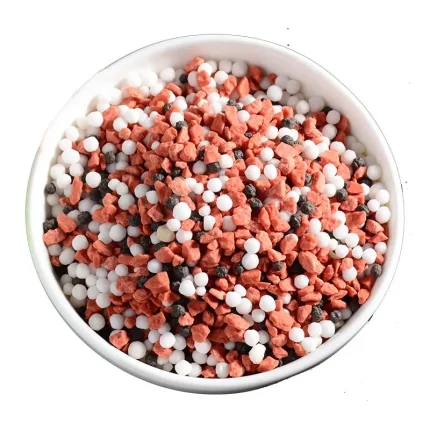
Potassium chloride is used as a major potassium fertilizer.
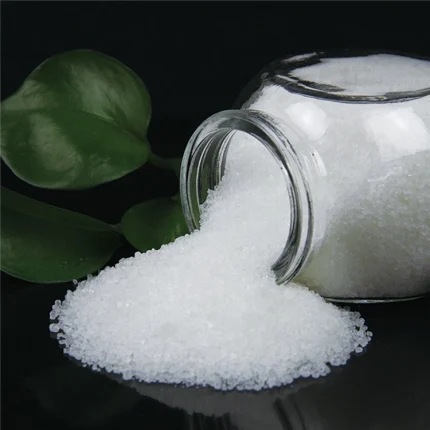
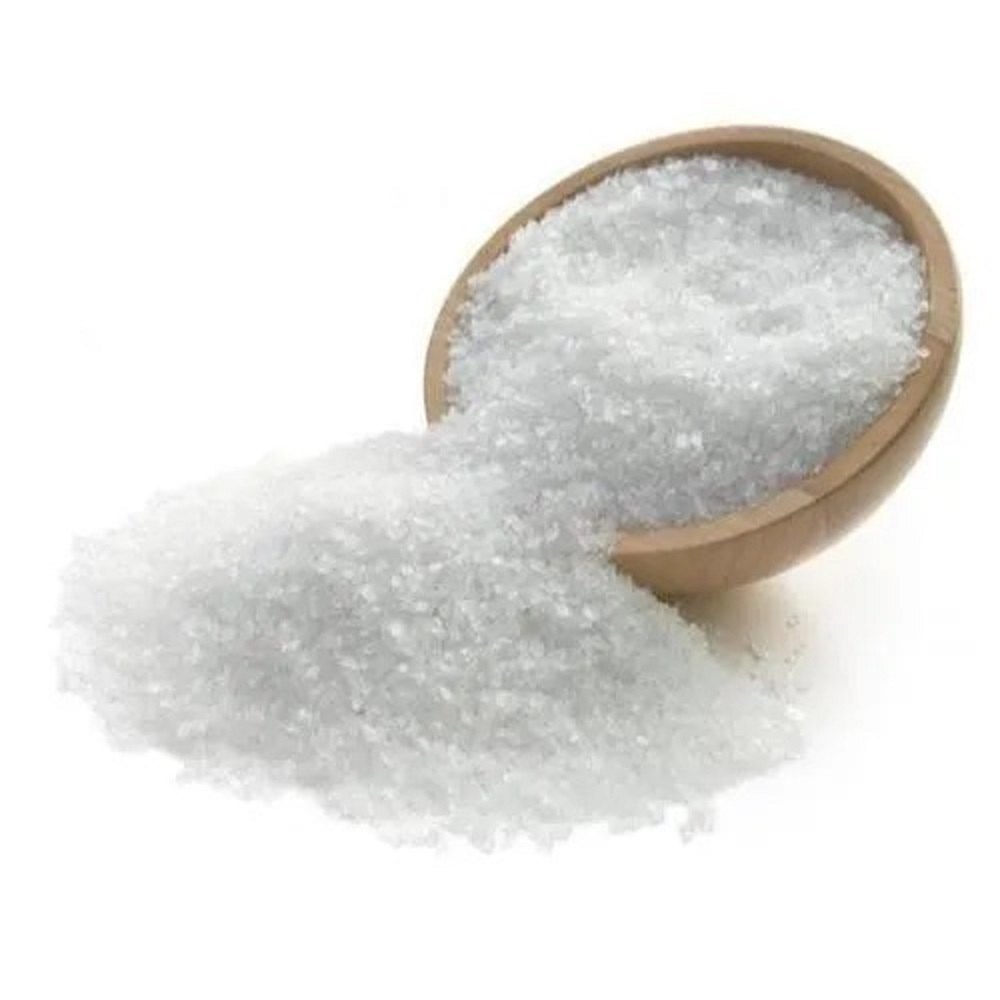
Potassium chloride (KCl) is a white, odorless, ionic salt consisting of potassium and chlorine, widely used as a fertilizer (muriate of potash), nutrient supplement, and in medical treatments for hypokalemia. It is highly soluble in water, has a molar mass of 74.55 g/mol, and a melting point of 770°C.
Key Aspects of Potassium Chloride (KCl)
Chemical Properties: KCl is a metal halide, functioning as an electrolyte replenisher. It has a density of 1.98 g/cm³ and a boiling point of 1,420°C.
Uses:
Agriculture: It is the most common potassium fertilizer, often referred to as “muriate of potash” (0-0-61), used to supply essential K nutrients.
Medical: Used to treat or prevent low blood potassium levels (hypokalemia).
Industrial: Used in water softening, as a food-grade ingredient, and in chemical manufacturing.
Safety and Risks: While essential for bodily functions, excessive consumption can cause hyperkalemia, leading to severe cardiac issues. It is generally taken with food to reduce gastrointestinal side effects.
Sources: It is obtained from mining ancient dried seabed deposits.
It is important to note that KCl should not be taken without medical advice if one has high levels of potassium in the blood.