



Understanding Ammonium Dichromate CP: A Comprehensive Guide
Ammonium dichromate CP is an essential compound widely used in both industrial applications and educational laboratories. This versatile chemical is celebrated for its consistent oxidizing performance and is a staple in various experimental and industrial processes. In this article, we’ll dive deeper into the properties, uses, safety precautions, and handling procedures associated with ammonium dichromate CP.
What is Ammonium Dichromate CP?
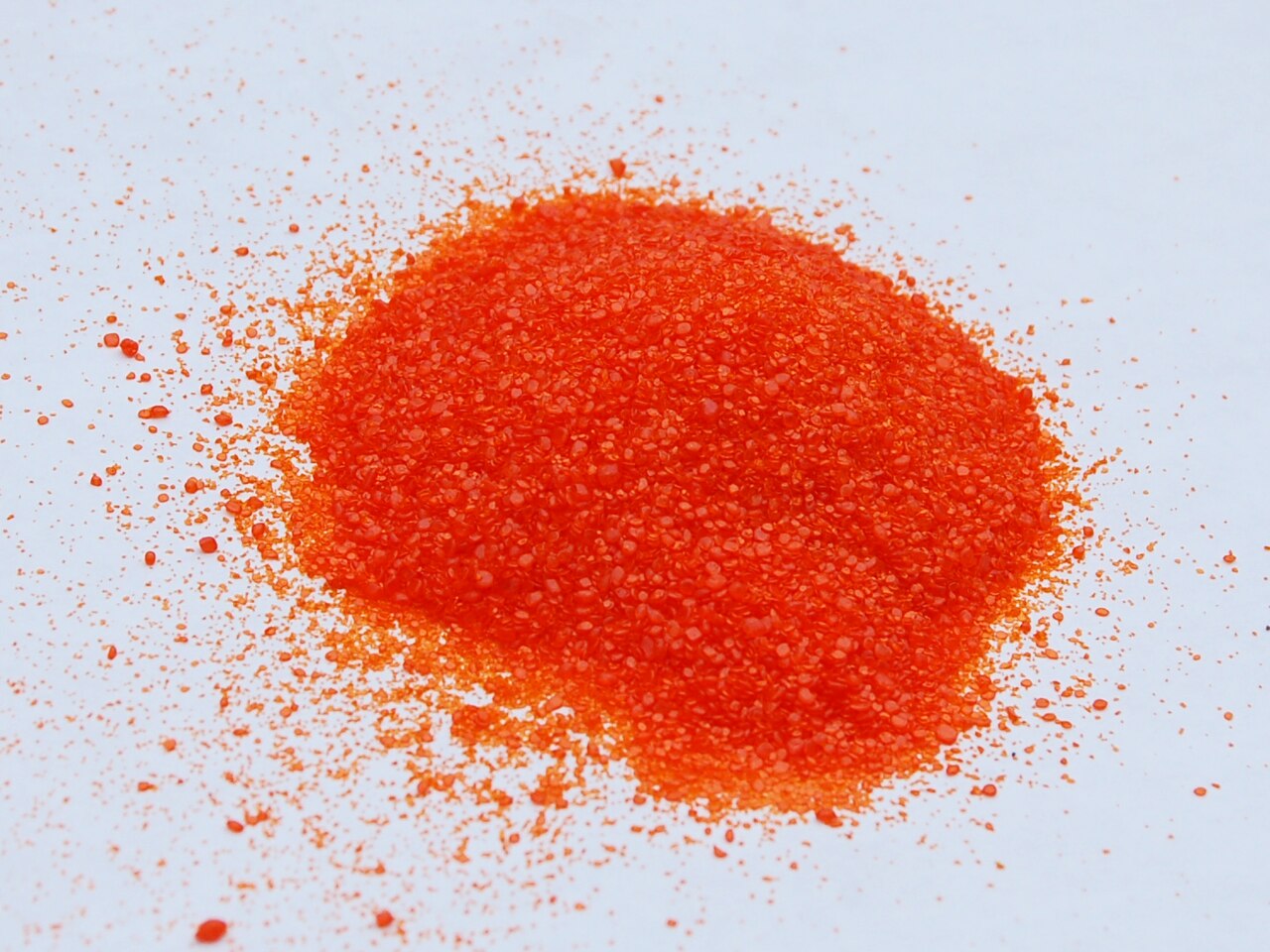
Ammonium dichromate, chemically represented as (NH4)2Cr2O7, is a bright orange crystalline substance that acts as a powerful oxidizing agent. The CP designation refers to its chemical purity, distinguishing it for use in controlled environments such as laboratories. This compound is highly soluble in water, allowing it to participate effectively in various chemical reactions.
Applications of Ammonium Dichromate CP
Industrial Uses
In the industrial landscape, ammonium dichromate CP serves multiple purposes:
1. Pigment Production: It plays a crucial role in manufacturing pigments for ceramics, plastics, and paints due to its vibrant color and stability.
2. Chrome Tanning: The compound is utilized in tanning leather, providing the necessary chromium content. Its oxidizing properties help to stabilize the leather and enhance its durability.
3. Electroplating: In the electroplating industry, ammonium dichromate is employed in chromic acid baths, facilitating the deposition of chromium onto various surfaces to enhance corrosion resistance and improve aesthetics.
4. Photography: It has historical significance in photographic processes, particularly in the production of prints using the dichromate process.
Educational Applications
In educational settings, ammonium dichromate CP is utilized for demonstrating chemical reactions and principles. Its striking color change upon heating is particularly captivating for students, serving as a practical illustration of decomposition reactions. This compound can decompose explosively under certain conditions, making it an exciting (yet cautionary) demonstration of oxidation.
Safety Precautions When Handling Ammonium Dichromate CP
Given its toxic and carcinogenic properties, handling ammonium dichromate CP requires strict adherence to safety protocols. Proper safety gear, including gloves, goggles, and lab coats, is essential to minimize exposure. Always work in a well-ventilated area or under a fume hood to prevent inhalation of dust or fumes released during reactions.
Important Safety Guidelines:
– Read Material Safety Data Sheets (MSDS): Before using the compound, familiarize yourself with its hazards, recommended handling procedures, and first aid measures.
– Storage: Store ammonium dichromate CP in a cool, dry place, away from incompatible materials such as strong acids, bases, and organic compounds.
– Spill Management: In case of a spill, follow the established protocol for cleanup, ensuring that all waste is disposed of in accordance with federal and local regulations.
Conclusion
Ammonium dichromate CP is a remarkable compound valued for its oxidizing capabilities in industrial and educational settings. While it offers numerous advantages in pigment production, leather tanning, and educational demonstrations, it is crucial to handle this chemical with care, respecting its hazardous nature. By following proper safety guidelines and understanding its uses, both industry professionals and students can harness the potential of ammonium dichromate CP effectively. Whether in a lab or an industrial environment, its significance continues to be acknowledged, reinforcing the importance of responsible chemical use. Always prioritize safety and sustainability in your endeavors involving ammonium dichromate CP.