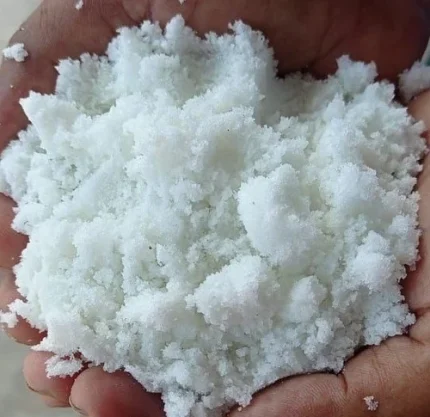

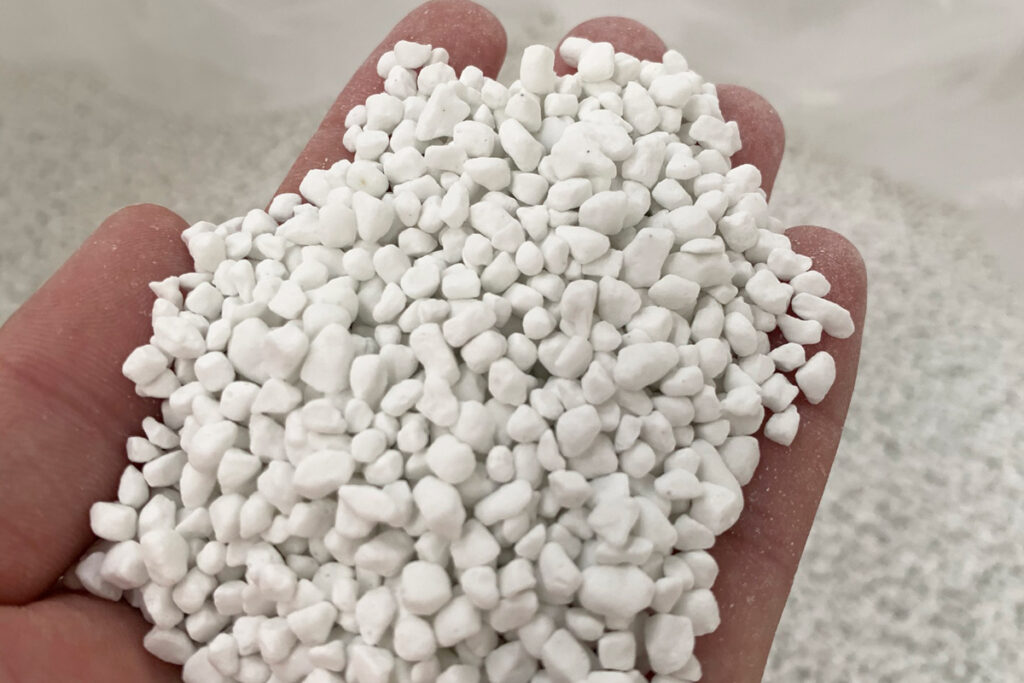

Sulphate of Potash SOP

Sulphate of potash supplies potassium and sulphur for chloride sensitive crops.
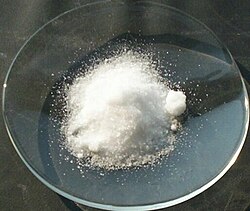
Sulphate of Potash (SOP), or potassium sulphate 8% Sulfur) essential for chloride-sensitive crops like fruits, vegetables, and potatoes. It provides readily available potassium and sulphur, improves crop quality, enhances drought resistance, and has a low salt index, making it ideal for sandy soils or saline conditions.
Key Features and Benefits of SOP
Chloride-Free: Unlike Muriate of Potash (MOP), SOP contains no chloride, preventing toxicity in sensitive crops.
High Solubility: Readily available to plants and suitable for fertigation.
Dual Nutrient Source: Supplies essential potassium (K) for plant metabolism and sulphur (S) for protein synthesis.
Low Salt Index: Reduces the risk of fertilizer burn, making it safer for direct seed/transplant contact.
Improves Quality: Enhances the color, flavor, oil content, and shelf life of produce.
Common Applications
SOP is preferred for high-value crops where quality matters, such as:
Fruits and Nuts: Citrus, vines, grapes, almonds, and walnuts.
Vegetables: Potatoes, tomatoes, and leafy greens.
Tobacco: Known for improving leaf quality.
Turf and Ornamentals: General maintenance for potassium-loving plants.
Application Methods
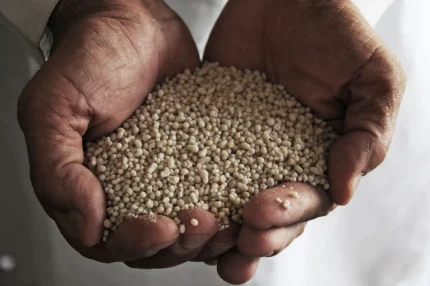
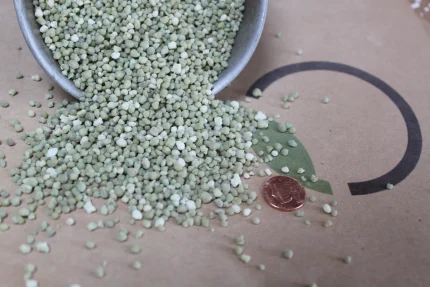
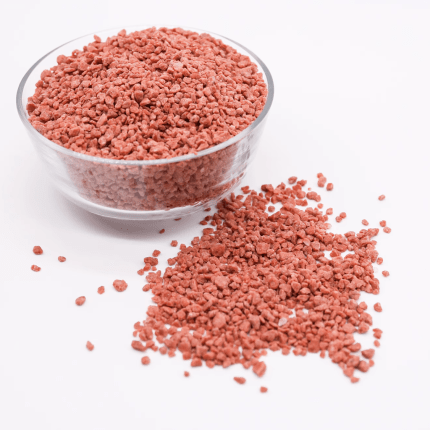
SOP can be applied as a granular fertilizer, dissolved for fertigation, or used in horticultural sprays. It is generally applied during fruit or tuber development through to maturation.
SOP vs. MOP (Muriate of Potash)
While MOP is cheaper and higher in potassium, it contains high levels of chloride, which can harm sensitive plants and increase soil salinity. SOP is the preferred choice in sensitive environments or where soil salinity is already a concern.