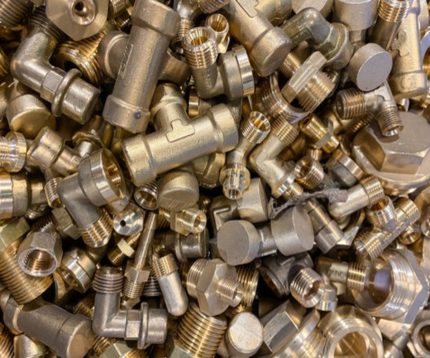

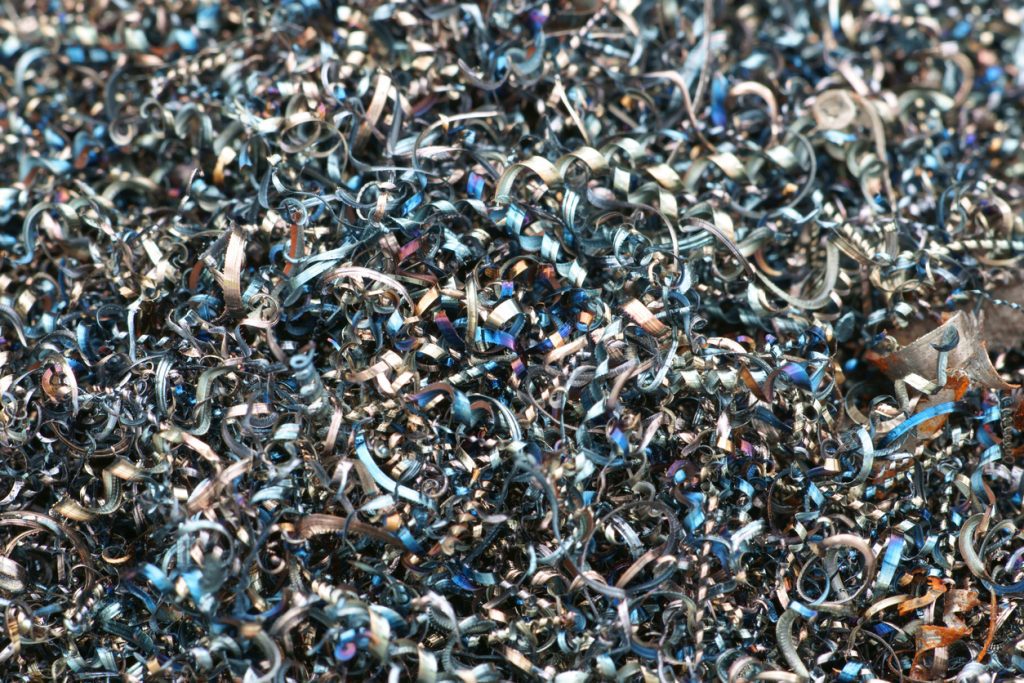
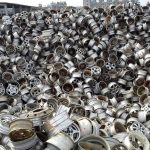

Turning scrap swarf is generated from machining and used in metal recycling.
Metal swarf—the turnings, chips, and shavings produced from machining processes like turning or milling—is a valuable, recyclable scrap material. Proper management involves sorting by alloy, removing cutting oils/coolants, and often briquetting to reduce volume (up to 90%) and increase recycling value, while improving safety against sharp edges and fire hazards.
Key Aspects of Handling and Processing Swarf:
Safety Precautions: Due to sharp edges and potential oil contamination, always wear proper safety gear (gloves, goggles).
Sorting for Value: Separating aluminum, steel, brass, and titanium swarf allows for higher recycling payouts.
Volume Reduction (Briquetting): Loose swarf takes up significant space. Briquetting machines compress this waste into dense, manageable bricks, which also helps recover, clean, and reuse cutting fluids.
Environmental Impact: Recycling reduces waste and prevents hazardous, oil-soaked metal from contaminating water systems.
Common Types of Swarf
Turnings: Often long, curly shavings produced on lathes.
Chips: Small, broken-up pieces from drilling or milling.
Fine Particles: Grinding dust and shavings.
Efficient management, including the use of dedicated,, smaller containers at workstations, reduces downtime and boosts the economic return on this scrap.