

Oats hay is a high-quality, palatable forage and feed, ideal for cattle, horses, sheep, and goats, often used to bridge gaps in pasture availability. Harvested for its high fiber and energy, it is considered a nutritious, cost-effective alternative to other grasses, though it requires supplementation for minerals in some diets.
Nutritional and Agricultural Value
Key Characteristics: Offers high-quality energy, digestible fiber, and good palatability for livestock.
Optimal Timing: Best nutritional value is achieved when cut during the soft dough stage.
Applications: Used as forage (grazing), silage, or hay.
Soil Benefits: Serves as a cover crop, improving soil organic matter and reducing erosion.
Livestock Use and Considerations
Horses: Often considered an ideal feed, particularly the first and second cuttings, but it is low in calcium and high in phosphorus, requiring supplementation.
Cattle: Provides good, cost-effective feed for both dairy and beef cattle, supporting rumen activity.
Small Stock: Well-suited for sheep and goats, supporting nutrient absorption.
Risks: Under certain conditions (drought or hail), oat hay can accumulate toxic nitrate levels.
Production and Feed Form
Harvesting: Often, it is cut when stems are green to ensure high quality.
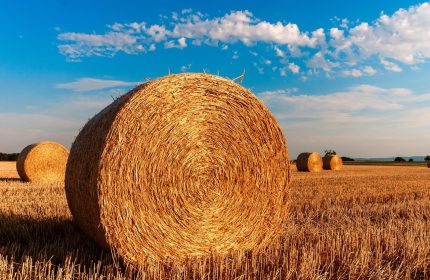
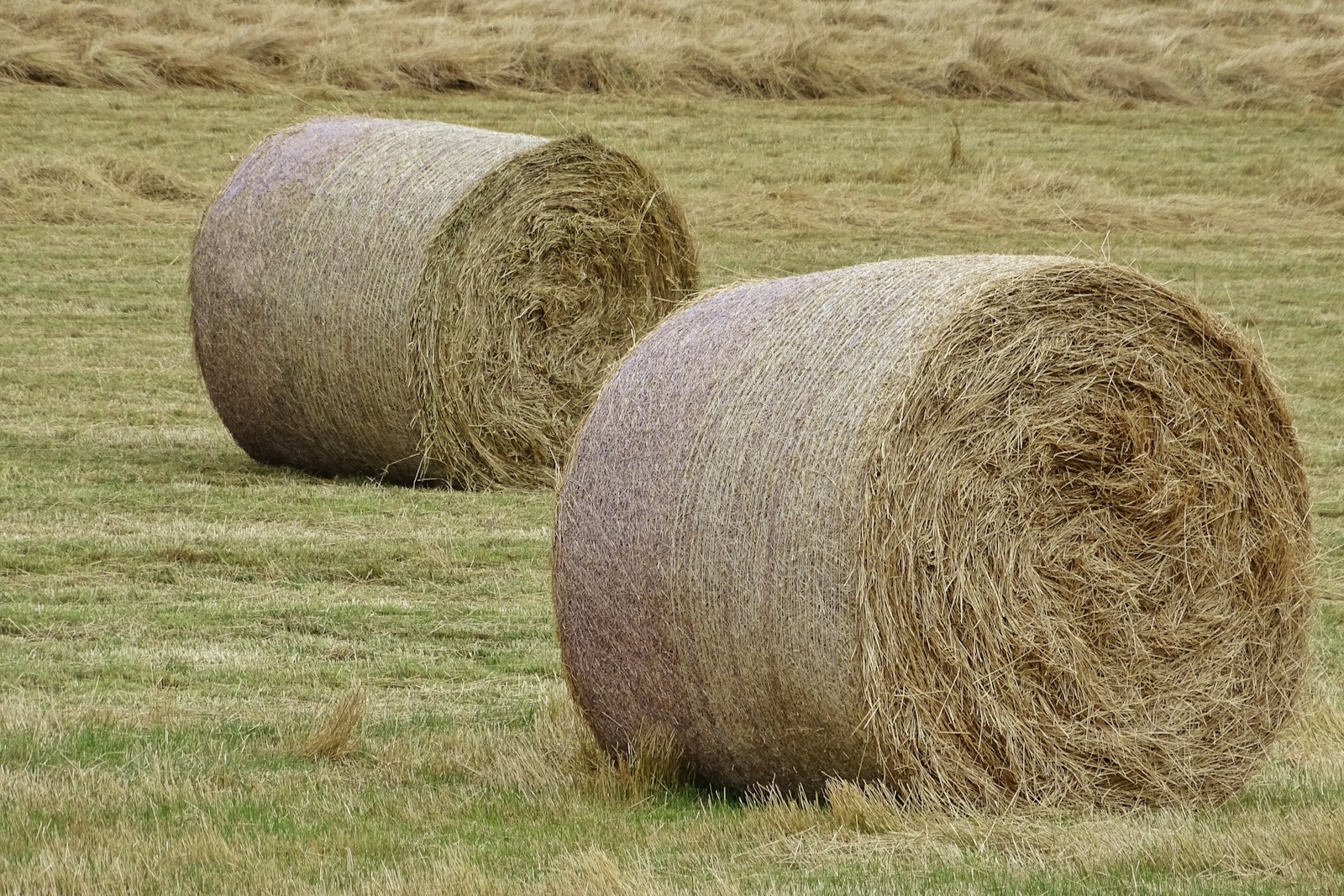
Processing: It is often processed into bales for transport and storage.
Storage: The second and third cuts can be more fibrous, with the latter sometimes referred to as “oat straw”.
Oat hay is a widely used, versatile feed source that offers excellent nutrition, but like all, it requires careful management of quality and diet balancing.