

Lucerne Bales: The Ideal Forage Feed for Livestock
Lucerne bales, also commonly known as alfalfa bales, play a crucial role in livestock nutrition. These nutrient-dense bales serve as a staple forage feed, promoting optimal health and productivity in various animals, from dairy cows to horses. Understanding the benefits and characteristics of Lucerne bales can help livestock owners make informed decisions about their feed options.
Nutritional Benefits
One of the primary advantages of Lucerne bales lies in their rich nutritional profile. Lucerne is renowned for its high protein content, typically ranging from 15% to 25%. This makes it an excellent feed choice, particularly for lactating dairy cows and growing animals that have higher protein requirements. In addition to protein, Lucerne bales also provide essential vitamins and minerals, contributing to the overall health and vitality of livestock.
Moreover, Lucerne is high in calcium and other important micronutrients that support bone health and metabolic functions. The digestibility of Lucerne is also noteworthy, with the rich fiber content aiding in digestive health, promoting gut function, and enhancing overall feed efficiency in animals.
The Different Types
When considering Lucerne bales, it’s important to recognize that they come in various forms, including small square bales, large round bales, and even pellets. Each type has its own set of advantages and applications:
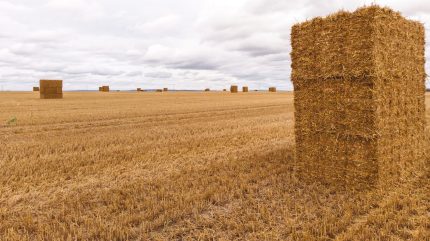
– Small Square Bales: These are easily handled and stored, making them ideal for smaller farms or operations that require frequent feeding. Their manageable size allows for versatility in feeding methods, whether by hand or in feeding machines.
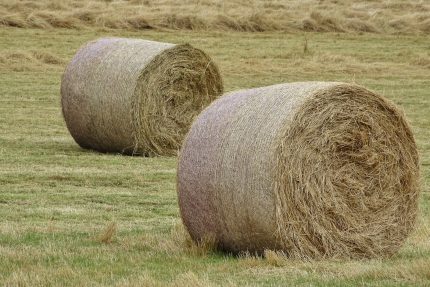
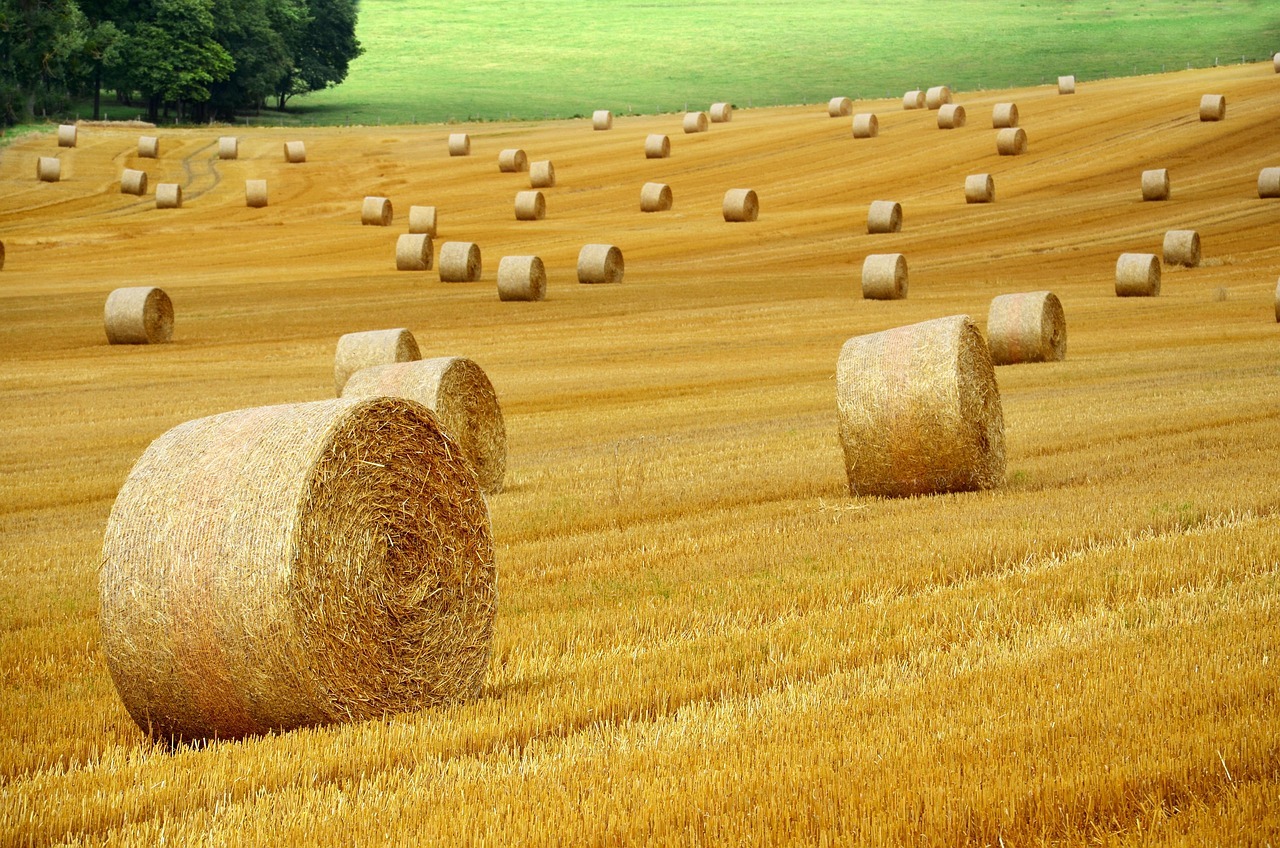
– Large Round Bales: Perfect for larger livestock operations, these bales are designed for easy mechanization. They tend to be more economical for feeding larger herds and can be left outside for livestock to graze as needed.
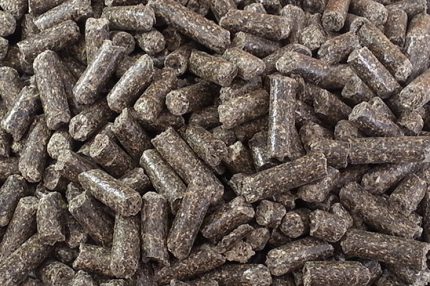
– Lucerne Pellets: For those seeking convenience, Lucerne pellets provide a condensed form of nutrition that’s easy to measure and use. They are particularly valuable in situations where space is limited or for animals that are picky eaters.
Best Practices for Feeding Lucerne Bales
To ensure optimal usage of Lucerne bales, consider these best practices:
1. Storage: Proper storage is crucial to preserve the quality of Lucerne bales. Bales should be kept in a dry, well-ventilated space to prevent mold and spoilage. Covering bales with tarps or storing them in a shed can protect them from rain and moisture.
2. Feeding Method: Choose the right feeding method based on your livestock’s needs and feeding habits. Offering Lucerne bales during key nutritional periods, such as lactation or growth phases, can maximize the benefits.
3. Monitor Intake: Keep an eye on how much of the Lucerne bales your livestock consume. Adjustments may be necessary to prevent overfeeding or underfeeding, ensuring that animals receive the right balance of nutrition.
The Importance of Quality Lucerne Bales
Not all Lucerne bales are created equal. The quality of the forage can greatly impact its nutritional value and palatability. Quality indicators include color, smell, and leaf-to-stem ratio. High-quality Lucerne bales should be bright green, fragrant, and contain a higher proportion of leaves, as this indicates greater nutrient density.
To find the best quality Lucerne bales, consider sourcing from reputable producers who prioritize proper harvest, drying, and storage practices. Conducting visual inspections and, when possible, testing bales for nutritional content can also be beneficial.
Conclusion
In summary, Lucerne bales are an indispensable resource in livestock husbandry, providing essential nutrients that promote health and growth. Their versatility in form, coupled with rich nutritional benefits, makes them a go-to choice for farmers and livestock owners alike. By investing in high-quality Lucerne bales and implementing proactive feeding strategies, you can ensure that your animals thrive, ultimately contributing to the success of your farming operation. Emphasizing the importance of quality forage will enable you to harness the full potential of this vital feed source.