

Understanding Wheat Straw: A Versatile Resource for Livestock
Wheat straw, a byproduct of wheat harvesting, is often overlooked despite its significant benefits, particularly in the realm of livestock management. This fibrous material is not just waste; it serves several important purposes in agricultural practices, especially in animal husbandry. As we delve deeper into the uses and advantages of wheat straw, you’ll uncover why it is a staple in livestock care and why its value is underestimated.
What is Wheat Straw?
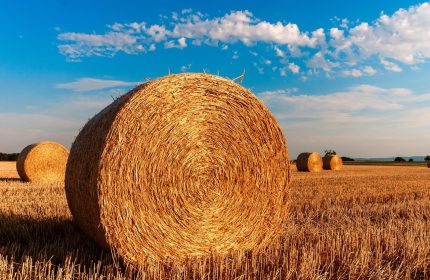
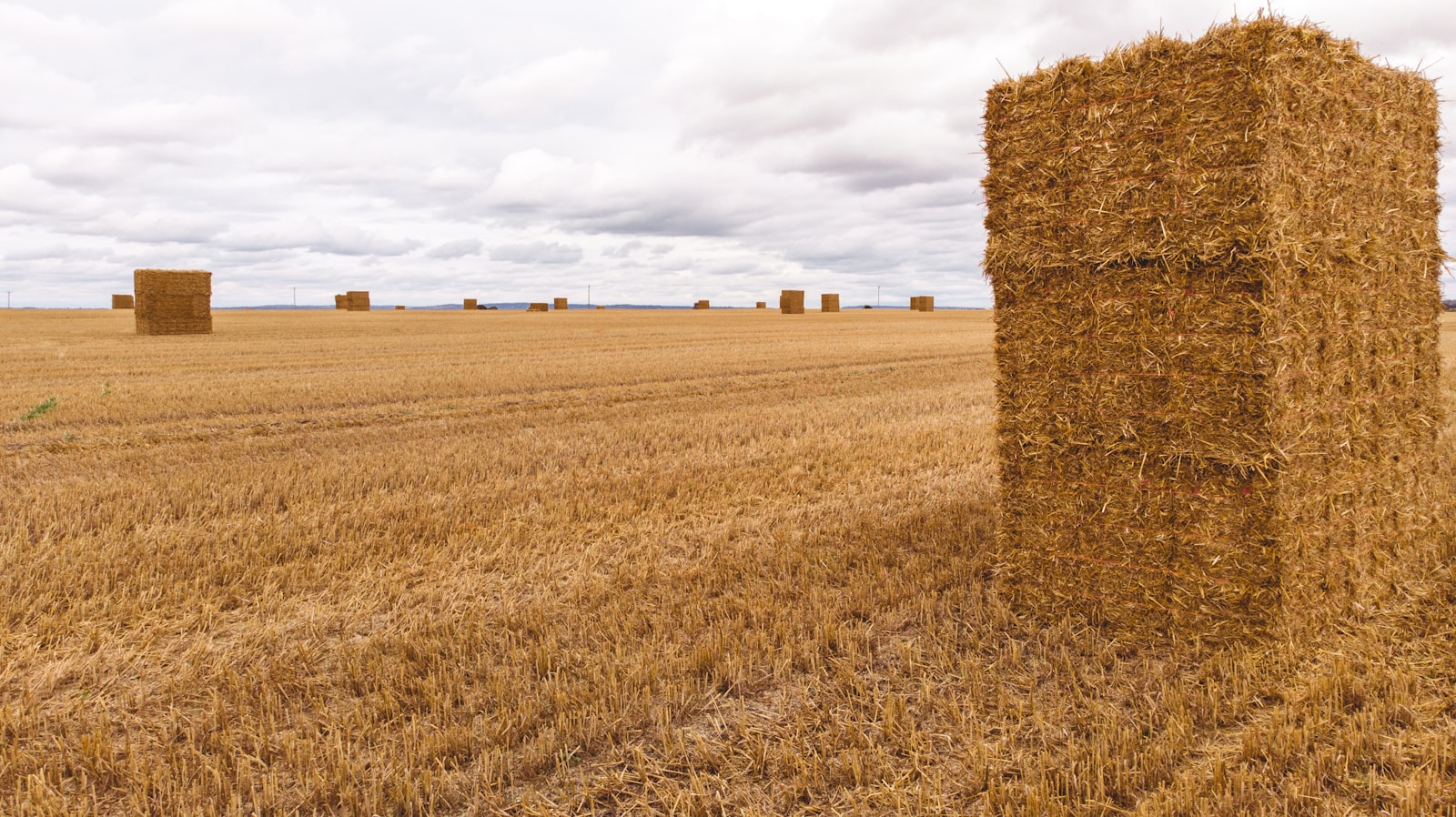
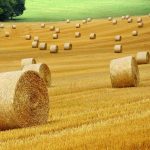
Wheat straw is the stalk that remains once the wheat grain has been harvested. Consisting primarily of the stem and leaves of the wheat plant, this fibrous material is typically golden in color and is highly abundant after the wheat crop is harvested. Farmers often find themselves with large quantities of straw, leading to a need for effective management strategies. Rather than discarding it, many turn to wheat straw for various agricultural applications, especially in livestock bedding and as roughage.
Benefits of Using Wheat Straw in Livestock Management
Wheat straw proves to be an incredibly resourceful option in several key areas of livestock care:
1. Bedding Material
One of the primary uses of wheat straw is as bedding for livestock. The straw creates a comfortable and warm environment for animals, including cattle, sheep, and horses. Its absorbent nature helps manage moisture and provides insulation, enhancing the overall living conditions for animals. This is especially important during colder months, where a layer of straw can protect animals from the elements.
2. Roughage in Diet
Wheat straw can also serve as a valuable source of roughage in the diet of ruminants. While it may not be nutritionally dense like hay, it plays an essential role in promoting digestive health. The high fiber content aids in proper rumination and digestion, helping livestock maintain gut health. It can be mixed with other feed sources, allowing farmers to optimize their feeding strategies while utilizing a readily available resource.
3. Pest Deterrent
Interestingly, wheat straw can act as a natural pest deterrent in barns. When used as bedding, it can help discourage the proliferation of certain pests, providing an additional benefit for livestock farmers. A clean and pest-free environment is vital for the health of animals, and wheat straw serves as an effective method to enhance the cleanliness of barns and pens.
Environmental Considerations
Utilizing wheat straw is also a sustainable practice in agriculture. By repurposing wheat straw, farmers can reduce waste and minimize their environmental footprint. This sustainable approach contributes to a circular economy within farming practices. Additionally, straw can be composted, further enriching soil health and contributing to more sustainable farming operations.
Proper Management of Wheat Straw
While the benefits of wheat straw are evident, proper management is crucial. When using straw for bedding, it’s essential to keep it dry and free from contaminants. Regular cleaning and maintenance of bedding areas prevent the buildup of pathogens, ensuring a healthy environment for livestock. Furthermore, when incorporating straw into feeding regimens, it’s important to monitor the animals’ overall health and digestion, adjusting diets as necessary to meet their nutritional needs.
Conclusion: The Hidden Gem of Agriculture
In summary, wheat straw is much more than an agricultural byproduct; it is a valuable resource for livestock management. Its multifaceted uses, ranging from bedding material to roughage in animal diets, highlight its importance in farming systems. By embracing the benefits of wheat straw, farmers can enhance the living conditions of their livestock while promoting sustainable agricultural practices. As awareness of its advantages grows, it is clear that wheat straw deserves recognition as a vital component in the modern livestock industry.