

Description
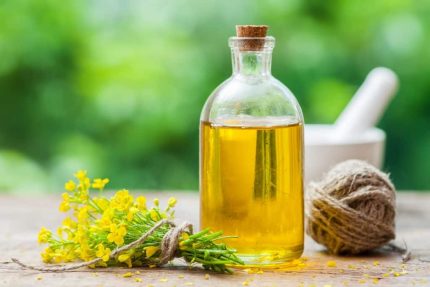
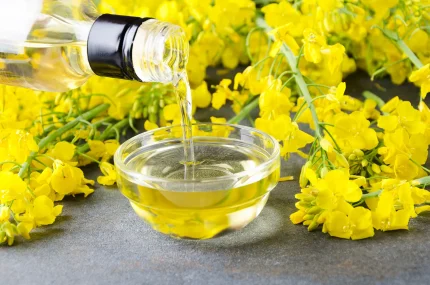
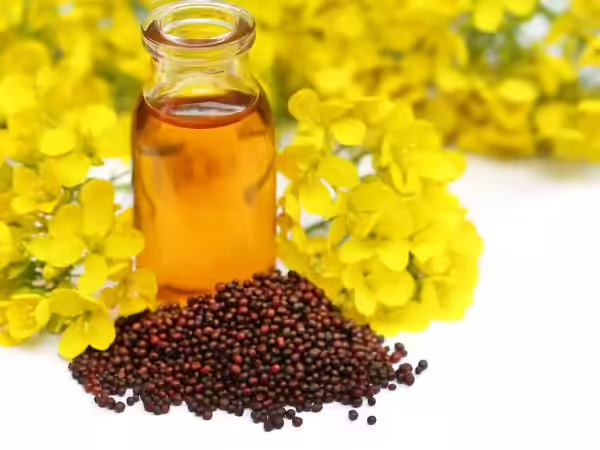
Mustard oil is used in food preparation flavoring and cooking applications.
Mustard oil is a pungent oil pressed from mustard seeds, used widely in South Asian cooking for its strong flavor and high smoke point, but its use for consumption is controversial in some Western countries due to high erucic acid levels, leading to “external use only” labels, though cold-pressed varieties with lower levels and potential heart benefits exist, and it’s also used in traditional massage for warming effects.
-
- Cooking: A staple in Indian, Pakistani, and Bengali cuisine for frying, sautéing, tempering (tadka), and as a base for pickles and curries.
- Massage: Applied topically for its warming, stimulating properties, helping with muscle relief and skin/hair health (though evidence is mostly anecdotal).
- Preservative: Used to preserve vegetables and chutneys.
-
Pressed Oil:Extracted from seeds, high in monounsaturated fats (like oleic acid), but traditionally high in erucic acid.
-
Essential Oil:Pungent, volatile oil extracted via distillation, used for aromatherapy and massage.
-
Controversy:The FDA historically restricted it for cooking due to studies linking erucic acid to heart issues in rats, leading to external-use labels.
-
Modern View:Newer Indian studies suggest heart benefits, and low-erucic acid versions now exist.
-
Potential Benefits:Rich in Vitamin E, has antibacterial/antifungal properties, and may help with skin, hair, and pain (anecdotal for skin/hair).
-
Caution:Always patch test before topical use and be aware of the regulatory status for consumption in your region.