


Description
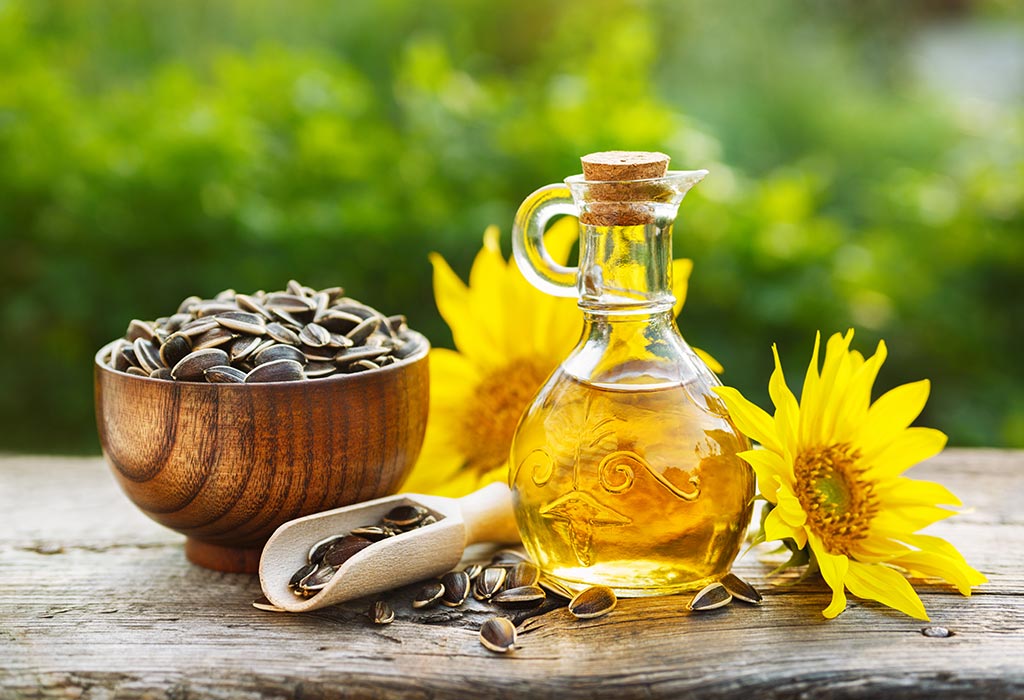
Sunflower oil is used for frying baking food processing and edible oil blending applications.
Culinary Uses and Properties
Sunflower oil is valued for its light taste, neutral flavor profile, and high smoke point, making it suitable for a variety of cooking methods.
- Frying and Sautéing: Refined sunflower oil can be used for high-temperature cooking, including deep-frying and sautéing, due to its high smoke point (around 227 °C for regular, refined oil).
- Baking: Its light texture and neutral taste blend seamlessly into a wide range of dishes, including baked goods, without overpowering other flavours.
- Salad Dressings: Unrefined, cold-pressed sunflower oil, with its mild nutty flavor, is suitable for use in raw foods and salad dressings.
- Health Benefits: It is naturally cholesterol-free and rich in vitamin E, an important antioxidant. It contains a combination of monounsaturated and polyunsaturated fats (oleic and linoleic acids), with low levels of saturated fat.
Types of Sunflower Oil
Through plant breeding, different varieties of sunflower oil have been developed, primarily varying in their fatty acid content.
- Linoleic Sunflower Oil (Conventional): This is the traditional type, high in polyunsaturated fatty acids (specifically linoleic acid, an omega-6). It has lower oxidative stability compared to the high-oleic variety.
- High Oleic Sunflower Oil: This variety is high in monounsaturated fatty acids (oleic acid, an omega-9), which provides better thermal resistance and oxidative stability, making it ideal for industrial frying and applications requiring a longer shelf life.