

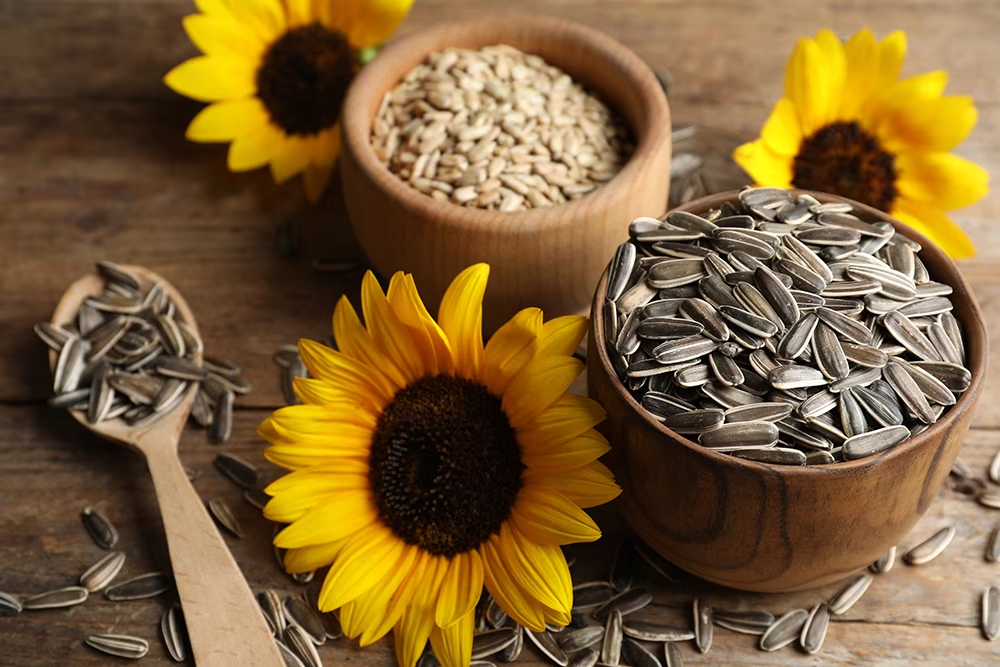
Sunflower Seeds
Oilseed and food ingredient commodity

Description
Sunflower seeds are used in food processing and oil extraction.
They are versatile for consumption (raw, roasted, or in baked goods) and provide antioxidants that help protect cells. They may help lower cholesterol, blood pressure, and blood sugar.
Nutritional Benefits and Components
-
- High in Antioxidants: They are an excellent source of vitamin E and selenium, which help fight free radical damage.
- Heart-Healthy Fats: They contain high amounts of linoleic fatty acids and other healthy polyunsaturated fats
- Essential Minerals: Rich in nutrients like magnesium and copper, which are essential for bone health.
- Protein and Fiber: They offer a significant amount of dietary fiber and protein.
Uses and Culinary Applications
- Snacking: Can be eaten raw or roasted, salted or unsalted.
- Cooking and Baking: Ideal for adding to salads, smoothies, oatmeal, granola bars, tuna/salmon dishes, or baking into muffins and bread.
- Butters: Can be ground into a butter alternative to peanut butter.
Types and Growing Information
- Types: Common types include linoleic, high oleic, and sunflower oil seeds.
- Cultivation: Plants thrive in sunny, warm conditions, with seeds typically sown from late August to mid-February in South Africa.
- Varieties: Ranging from dwarf types to giants over 5 meters tall.
Considerations
- Portion Control: While healthy, they should be eaten in moderation due to potential cadmium intake if consumed in excessive, large quantities (e.g., sticking to about 30g per day is considered safe).


