
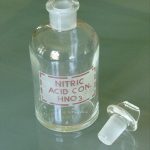
Nitric Acid
Unlock the power of Nitric Acid for all your laboratory and industrial needs! Designed for consistent quality and dependable performance, it’s your go-to solution for chemical processing, research, and manufacturing.

The Essential Guide to Nitric Acid: Uses, Properties, and Benefits
Nitric Acid is a highly versatile chemical that plays a crucial role across various sectors, including laboratories, industrial settings, and commercial applications. Its unique properties make it an indispensable component in chemical processing, research, and manufacturing. Whether you’re working on formulation projects or conducting experiments, understanding Nitric Acid’s characteristics and uses can significantly enhance your workflow.
What is Nitric Acid?
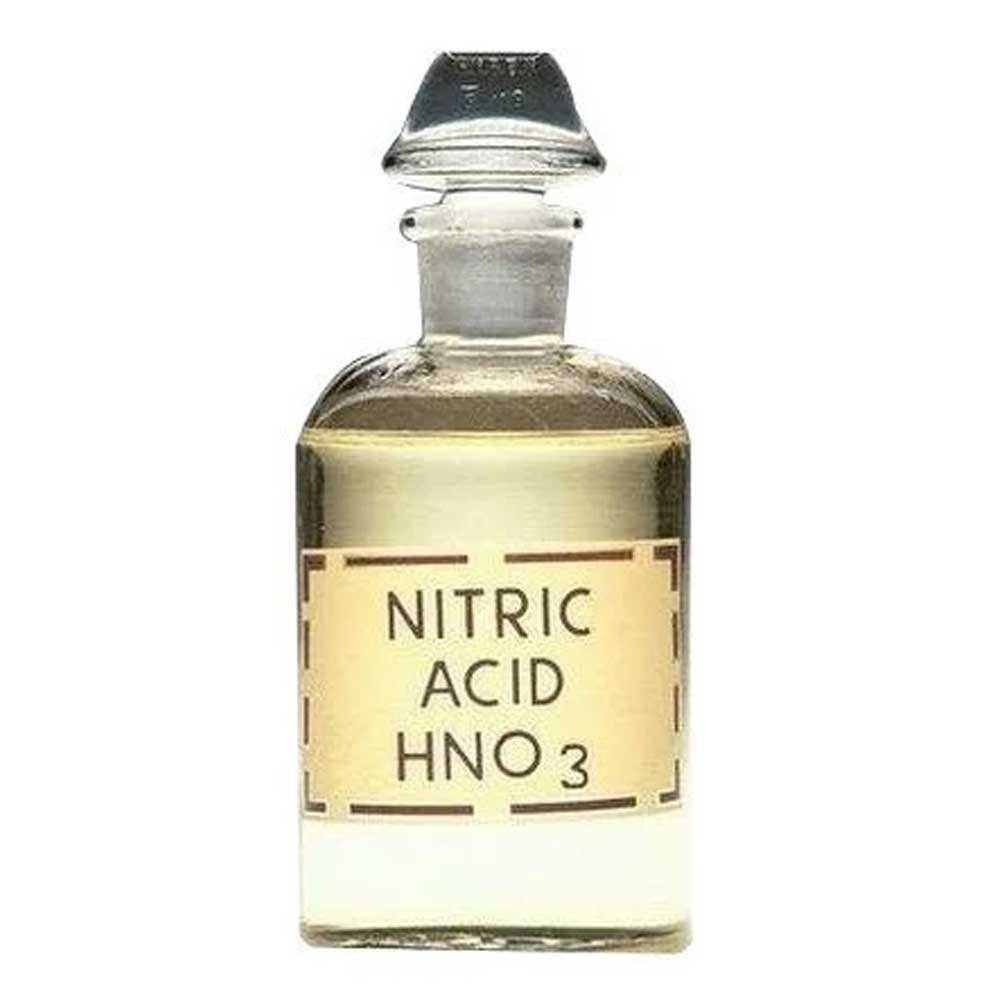
Nitric Acid (HNO₃) is a colorless, corrosive liquid with a distinctive, pungent odor. A powerful oxidizing agent, it can react with various organic and inorganic substances. Often used in its concentrated form, Nitric Acid is sought after for its efficiency in producing nitrates for fertilizers, explosives, and other essential compounds. Its ability to decompose materials makes it a critical element in both industrial and laboratory settings.
Key Applications of Nitric Acid
Chemical Processing
In chemical manufacturing, Nitric Acid is used to synthesize a wide array of compounds, including fertilizers, dyes, and pharmaceuticals. Its role as a nitrating agent allows industries to create nitro compounds that are integral to various chemical reactions. By substituting hydrogen atoms in organic molecules, Nitric Acid contributes to the development of more complex and functional materials.
Research and Development
For researchers, Nitric Acid is invaluable in various scientific experiments and analytical procedures. Its application ranges from aiding in the dissolution of metals for testing to being a critical part of the synthesis pathway in several organic chemistry reactions. Laboratories often rely on Nitric Acid for electrochemistry studies, as it can efficiently dissolve unwanted metals, helping in the purification of samples.
Manufacturing and Formulation Work
In manufacturing, the role of Nitric Acid extends beyond just a reagential compound; it is often employed in the production of explosives and propellants, such as nitroglycerin and TNT. Its ability to initiate highly exothermic reactions makes it indispensable in industries focused on propellant technology. Additionally, the use of Nitric Acid in the creation of high-purity materials, such as semiconductors, highlights its importance in modern electronics.
Safe Handling and Storage
Given its corrosive nature, it is crucial to handle it with care. Appropriate safety measures must be in place, including wearing protective gear and working in well-ventilated areas. Companies must provide thorough training to their staff regarding the safe use of Nitric Acid to prevent accidents related to spills or exposure.
Storage conditions are equally important for maintaining the integrity of Nitric Acid. It should be kept in tightly sealed containers made of compatible materials, away from direct sunlight and heat sources. This will help prevent degradation and ensure that the chemical maintains its efficacy over time. Regular inspections of storage facilities are advised to avoid any leaks or deterioration.
The Importance of Quality Control
Quality control plays a pivotal role in the effective use of it. Industries must ensure that they are sourcing high-quality Nitric Acid to avoid inconsistencies that could lead to subpar results. Working with reputable suppliers who adhere to stringent quality management systems is essential for laboratories and manufacturers alike. This commitment to quality helps maintain the efficacy of chemical processes and ensures reliable performance in various applications.
Conclusion
In summary, it is an essential chemical that underpins a wide range of applications, from chemical processing to research and manufacturing. Its strong oxidizing properties make it a versatile tool for achieving complex reactions and synthesizing important compounds. However, safe handling and storage are critical to its effective use. By adhering to quality control standards and best practice guidelines, industries can harness the full potential of Nitric Acid, enhancing productivity and safety in the workplace. Whether you’re in a lab or an industrial facility, understanding and respecting this powerful chemical can lead to successful outcomes in your projects.