
Lactic Acid AR
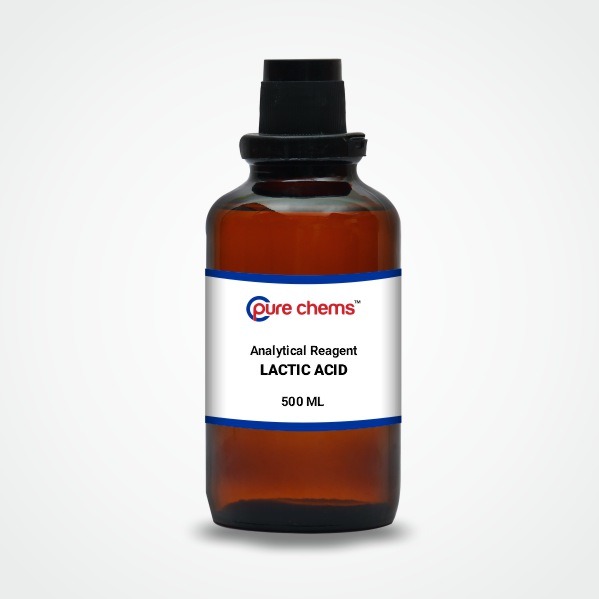
Lactic Acid AR suitable for laboratory and industrial applications.

Understanding Lactic Acid AR: A Vital Component in Various Industries
Lactic Acid AR is a high-purity compound crucial for a variety of applications across professional laboratories, industrial settings, and commercial enterprises. Known for its effectiveness and reliability, this compound plays a significant role in chemical processing and research. Whether you’re involved in manufacturing or formulation work, understanding the characteristics and uses of Lactic Acid AR can enhance your operations.
What is Lactic Acid AR?
Lactic Acid AR, or analytical reagent-grade lactic acid, is a versatile organic acid with the chemical formula C3H6O3. This compound is produced naturally through fermentation but is synthesized for laboratory and industrial uses to ensure consistent quality and performance. As a highly sought-after reagent, Lactic Acid AR is utilized for its acidity and versatility in various reactions, including:
– pH Regulation: It effectively adjusts the pH levels in biological and chemical systems.
– Food Industry: Commonly found in dairy products and flavorings, Lactic Acid AR is a safe additive that enhances taste and preservation.
– Cosmetic Formulations: This compound is increasingly used in skincare products due to its exfoliating properties, promoting healthy skin.
Why Lactic Acid AR is Essential in Chemical Processing
In the realm of chemical processing, Lactic Acid AR serves multiple important functions. Its role as a reagent extends to a variety of applications, including:
– Synthesis of Biodegradable Plastics: Lactic Acid AR is a precursor in creating polylactic acid (PLA), a bioplastic that is both sustainable and eco-friendly.
– Buffer Solutions: Used in laboratory experiments, it acts as a buffering agent to maintain stable pH levels, essential for ensuring accurate results in chemical analyses.
Storage and Handling of Lactic Acid AR
Proper handling and storage of Lactic Acid AR are critical to maintaining its integrity and stability. Here are essential guidelines to follow:
1. Packaging: Lactic Acid AR is typically packaged in high-quality, tightly sealed containers that are resistant to chemical reactions. Ensure that the containers are labeled clearly to avoid any mix-ups in the lab or industry.
2. Storage Conditions: Store Lactic Acid AR in a cool, dry place away from direct sunlight. It’s also vital to keep it away from incompatible substances that could trigger unwanted reactions.
3. Shelf Life: Regularly check the expiration date and use the product within its recommended time frame to ensure optimal performance in your processes.
Applications of Lactic Acid AR in Research
For research laboratories, Lactic Acid AR is invaluable. Its ability to function effectively in various chemical reactions makes it a preferred choice among scientists working on biotechnology and pharmaceuticals. Researchers utilize Lactic Acid AR for:
– Cell Culture Media: Its buffering capacity provides a stable environment for cell growth.
– Enzyme Activity Studies: It serves as a substrate in experiments that measure enzyme kinetics, allowing researchers to derive meaningful conclusions from their data.
The Importance of Quality Assurance
Ensuring that you use high-quality Lactic Acid AR is essential for achieving reliable results. Many industries and laboratories emphasize sourcing their chemicals from reputable suppliers that adhere to strict quality control measures. High-quality Lactic Acid AR guarantees:
– Consistency in experimental results.
– Safety in industrial applications.
– Compliance with regulatory standards.
Conclusion: The Versatility of Lactic Acid AR
In summary, Lactic Acid AR is not just a chemical reagent; it is a fundamental component that supports a wealth of applications across various sectors. Its ability to stabilize pH, facilitate research, and contribute to innovative product formulations highlights its importance in today’s industrial landscape. By understanding its properties, storage requirements, and applications, professionals can leverage Lactic Acid AR to enhance productivity and ensure successful outcomes in their projects. Whether in a lab or industrial setting, recognizing the value of this compound can lead to improved efficacy and quality across the board. Ultimately, Lactic Acid AR remains a cornerstone in the ongoing advancement of scientific and industrial processes.