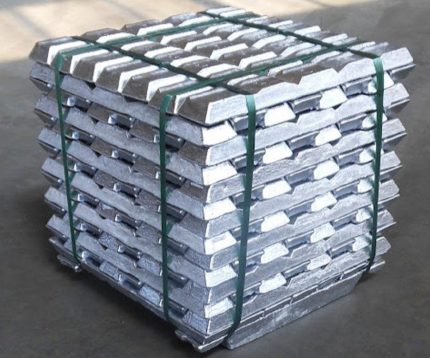

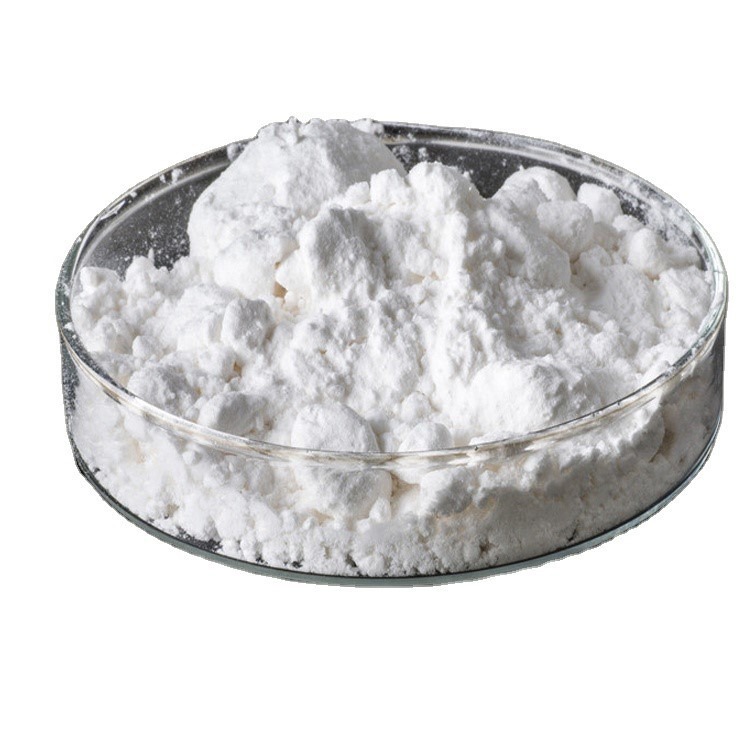
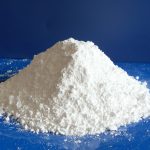

Zinc chloride is supplied for galvanizing chemical processing and industrial manufacturing.
Zinc chloride, with the chemical formula ZnCl₂, is a white, crystalline, and highly hygroscopic solid that is widely used in industrial, chemical, and limited medical applications. It is an inorganic salt known for its corrosive and Lewis acidic properties.
Key Properties
Appearance: White, odorless, crystalline solid or granules.
Solubility: Highly soluble in water, as well as in ethanol, glycerol, and acetone.
Hygroscopic/Deliquescent: Readily absorbs moisture from the air, even to the point of liquefying (deliquescence), and must be stored in airtight containers.
Acidity: Aqueous solutions are acidic; a 6M solution has a pH of approximately 1.
Lewis Acid: It is a moderate-strength Lewis acid, which accounts for many of its uses in chemical synthesis.
Common Uses
Metallurgy: Functions as a flux in soldering, galvanizing, and welding by dissolving oxide layers to ensure a clean, strong metal bond.
Chemical Synthesis: Used extensively as a catalyst and dehydrating agent in organic chemistry for reactions such as the Friedel-Crafts acylation and Fischer indole synthesis.
Textiles and Paper: Applied as a flame retardant for fabrics and is used in the production of vulcanized fiber. A concentrated solution can dissolve silk and cellulose.
Wood Preservation: Used with other compounds as a wood preservative and fungicide to protect against rot and insect damage.
Batteries: An important component as an electrolyte in some dry-cell batteries, specifically zinc-carbon and heavy-duty types.
Medical and Personal Care: Found in low concentrations in some antiseptic mouthwashes, deodorants, and dental cements for its astringent and antiseptic properties.