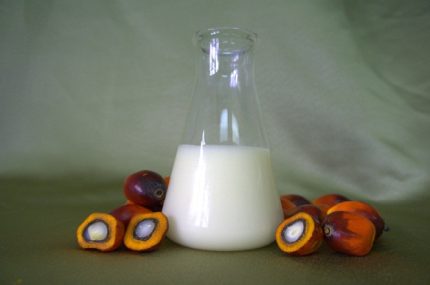

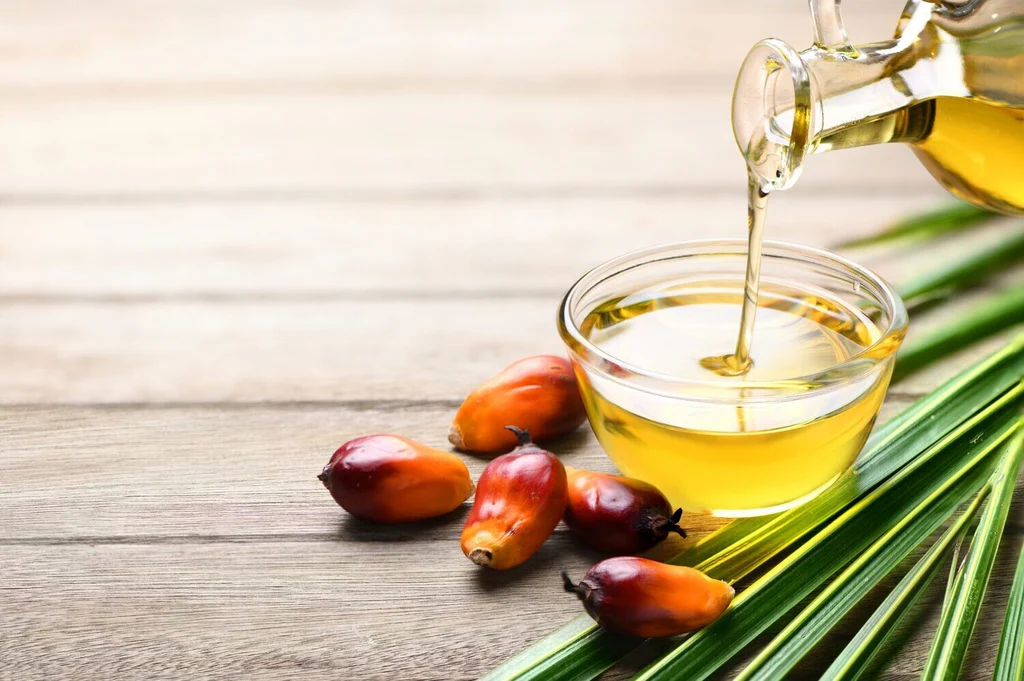



Palm oil is a versatile edible oil used in food manufacturing frying and processed food applications.
Palm oil is a widely used and highly versatile edible vegetable oil derived from the fruit of the oil palm tree, found in numerous food, cosmetic, and industrial products globally. Its production is a complex topic due to its valuable properties and significant social and environmental impacts.
Uses and Properties
Palm oil is used extensively due to its unique properties, such as being semi-solid at room temperature, which eliminates the need for hydrogenation (a process that creates trans fats).
Food Products: It is used in nearly half of all packaged products, including margarine, spreads, ice cream, processed snacks, chocolate, and instant noodles. It is also a common cooking oil in tropical regions of Africa and Southeast Asia.
Non-Food Consumer Products: Palm oil and its derivatives are pervasive in personal care and cleaning products, providing foaming agents in soaps, shampoos, and detergents, and acting as an emulsifier in lotions and cosmetics.
Biofuel: It is a significant source of biofuel, especially in Indonesia and Malaysia, though this use is controversial due to associated carbon emissions from deforestation.
Health Effects
The health effects of palm oil are a subject of ongoing research, with a focus on its high saturated fat content and processing contaminants.
Saturated Fat Content: Palm oil is about 49% saturated fat, primarily palmitic acid, which can increase levels of LDL (“bad”) cholesterol. Health authorities like the American Heart Association and the British National Health Service recommend replacing saturated fats with unsaturated fats where possible.
Vitamins and Antioxidants: Unrefined red palm oil is a rich source of beta-carotene (vitamin A precursor) and tocotrienols (part of the vitamin E family), which offer antioxidant benefits.
Processing Contaminants: Refining palm oil at high temperatures can produce contaminants like glycidyl fatty acid esters (GEs) and 3-MCPD, which have been linked to potential carcinogenic and organ-damaging effects in animal tests.
Environmental and Social Impacts
The palm oil industry faces substantial criticism for its role in tropical deforestation, biodiversity loss, and human rights issues.
Deforestation and Biodiversity Loss: Large areas of biodiverse rainforests, particularly in Indonesia and Malaysia, have been cleared for oil palm plantations, threatening critically endangered species like orangutans and Sumatran rhinos.
Greenhouse Gas Emissions: The clearing and burning of forests and peatlands for plantations release millions of tonnes of greenhouse gases, contributing to climate change and severe air pollution (haze).
Social Concerns: The industry has been linked to human rights violations, including land grabbing from indigenous communities, child labour, and poor working conditions.