


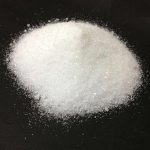
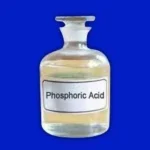
Phosphoric Acid
Phosphoric Acid suitable for laboratory and industrial applications.

Understanding Phosphoric Acid: A Versatile Compound for Various Applications
Phosphoric Acid plays a crucial role in laboratories, industries, and commercial settings. This versatile chemical compound is fundamental in a variety of applications, from chemical processing and research to manufacturing and product formulation. Its ability to deliver consistent quality and reliable performance makes it an essential ingredient in many processes.
What is Phosphoric Acid?
Phosphoric Acid, also known as orthophosphoric acid, is a colorless, odorless, and non-volatile liquid. It is a crystalline solid that occurs in a solid form at room temperature. The compound has a chemical formula of H₃PO₄ and is categorized as a weak acid. Despite being classified as weak, Phosphoric Acid is highly effective in many chemical reactions, making it invaluable across multiple industries.
Applications of Phosphoric Acid
Chemical Processing
In chemical processing, Phosphoric Acid serves as a vital reagent or intermediate in synthesizing various chemicals. It is commonly involved in the production of fertilizers, detergents, and food additives. Its effectiveness in providing essential phosphorous makes it indispensable in creating fertilizers that nourish crops and enhance agricultural productivity.
Research and Development
Phosphoric Acid is equally significant in the realm of scientific research. Researchers utilize this compound extensively in laboratories for various experiments that require precise pH control. Its buffering capacity makes it an ideal choice for maintaining optimal conditions in biochemical assays, ensuring the reliability of results.
Food Industry
In the food industry, Phosphoric Acid has a reputation for its role as an acidulant. It is often used in soft drinks and food products to provide a tangy flavor and preserve freshness. By controlling acidity levels, it helps enhance taste while ensuring product stability and shelf life. The food industry’s reliance on Phosphoric Acid highlights its importance in formulating safe and palatable products.
Packaging and Storage of Phosphoric Acid
To maintain the highest quality and integrity, the handling and packaging of Phosphoric Acid are of paramount importance. The compound is typically supplied in specialized containers designed to prevent contamination and degradation. Whether in bulk or smaller quantities, appropriate packaging ensures stability during transport and storage.
Factors such as temperature, humidity, and exposure to air are critical in preserving the compound’s efficacy. Proper labeling and safety data sheets (SDS) are also essential to inform users about handling procedures, exposure risks, and emergency measures.
Safety and Precautions
When working with Phosphoric Acid, it is essential to follow safety protocols. While it is classified as a weak acid, it can still pose risks if mishandled. Protective gear, including gloves and goggles, should always be worn to prevent skin or eye contact. Adequate ventilation is also necessary to avoid inhaling fumes, which can cause respiratory issues.
In case of spills, specific guidelines should be in place for containment and cleanup, as well as first aid documentation in case of contact. By adhering to these safety measures, users can mitigate risks and handle Phosphoric Acid responsibly.
Conclusion: The Importance of Phosphoric Acid in Modern Industries
Phosphoric Acid is much more than just a chemical compound; it is an essential component that powers various industries and scientific endeavors. Its applications are wide-ranging, impacting everything from agriculture to research laboratories and food production. By understanding its properties, applications, and safe handling practices, professionals can utilize Phosphoric Acid effectively while ensuring both safety and reliability.
In summary, Phosphoric Acid continues to play an integral role in modern technology and industry. With its ability to offer consistent performance and quality, it remains a cornerstone in the formulation of products that shape our daily lives. The significance of this compound underscores the necessity of knowledge and responsibility in its use.