
Oxalic Acid
Oxalic Acid suitable for laboratory and industrial applications.

Understanding Oxalic Acid: Applications and Importance
Oxalic Acid, a dicarboxylic acid with the formula C₂H₂O₄, is a versatile compound widely utilized across various sectors, including laboratories, industry, and commercial enterprises. This powerful acid plays a critical role in chemical processing, research, manufacturing, and formulation projects, where maintaining consistent quality and dependable performance is essential.
What Is Oxalic Acid?
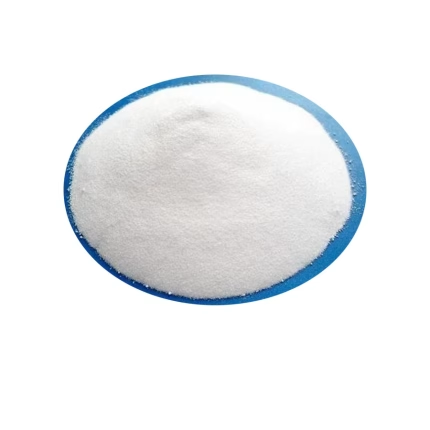
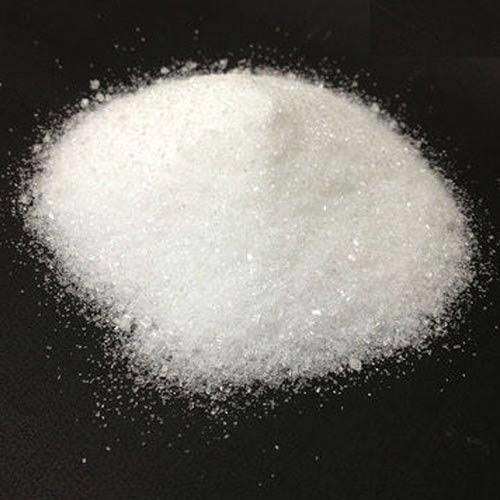
Oxalic Acid is a naturally occurring substance found in many plants, including spinach, rhubarb, and beet leaves. In its pure form, it appears as a white crystalline solid. As an organic compound, its significance extends far beyond its presence in certain foods. Oxalic Acid has significant industrial and commercial applications, with its unique properties making it indispensable in various processes.
Key Applications of Oxalic Acid
Chemical Processing
One of the primary applications of Oxalic Acid lies in chemical processing. It acts as an intermediate in the production of several chemicals, including textiles, dyes, and rust removers. Due to its reactivity, Oxalic Acid effectively helps in the production of oxalates, which are important in the synthesis of various chemical compounds. Its efficiency as a chelating agent allows it to bind with metal ions, making it invaluable for water treatment processes and in solutions that require metal ion removal.
Research and Laboratory Use
In research settings, Oxalic Acid plays a critical role in various analytical and preparative procedures. Its high purity makes it suitable for laboratory environments where precision is a priority. Scientists often use it in titrations for determining calcium concentrations and as a reducing agent in electrochemical reactions.
In addition to its analytical applications, Oxalic Acid serves as a buffer in biological experiments, stabilizing pH levels, which is crucial for the viability of various biochemical reactions. The stability, reliability, and versatility of Oxalic Acid make it a staple in many laboratory settings.
Manufacturing
The manufacturing industry also heavily relies on Oxalic Acid. Its use in the production of solvents, cleaning agents, and other chemical products showcases its versatility. Industries often incorporate it in formulations for developing household cleaners and polishing agents because of its ability to dissolve stains and mineral deposits effectively.
Moreover, Oxalic Acid is crucial for metal finishing, offering a way to refine and enhance the surface properties of metals. It also plays a role in leather tanning, where it helps in the processing of animal hides, improving the quality of the final product.
Environmental Applications
Beyond industrial uses, Oxalic Acid has emerged as a beneficial compound in environmental applications. It can be utilized in various remediation processes, especially in the removal of heavy metals from contaminated water. By forming stable complexes with these metals, Oxalic Acid helps in reducing their bioavailability and toxicity, contributing to a cleaner environment.
Handling and Storage of Oxalic Acid
Given its wide applications, proper handling and storage of Oxalic Acid are critical. The compound must be packaged in a way that preserves its stability and integrity. Typically, manufacturers utilize durable containers that prevent moisture ingress and degradation, ensuring that the product remains effective throughout its shelf life.
Users must follow safety protocols while handling Oxalic Acid, as it can be harmful if ingested or inhaled. Wearing appropriate protective gear, such as gloves and goggles, is essential to prevent exposure.
Conclusion: The Significance of Oxalic Acid
In conclusion, Oxalic Acid is more than just a chemical compound; it is a vital ingredient across multiple sectors. Its applications in chemical processing, research, manufacturing, and environmental remediation highlight its versatility and importance. As industries and research laboratories continue to evolve, the reliance on high-quality and stable chemicals like Oxalic Acid will undoubtedly remain at the forefront.
Understanding the various uses and the importance of proper handling can empower users to maximize the benefits of Oxalic Acid, ensuring optimal performance in their respective applications. Whether you’re in a laboratory, manufacturing facility, or involved in environmental protection, mastering the nuances of Oxalic Acid can give you a distinct advantage in achieving your objectives.