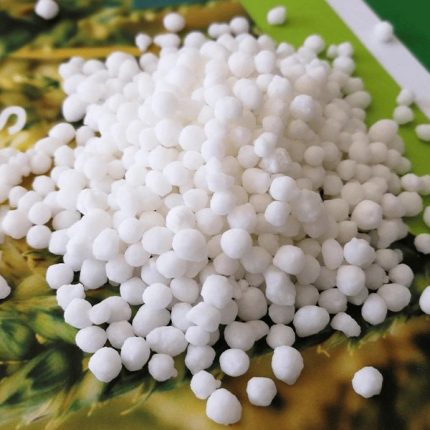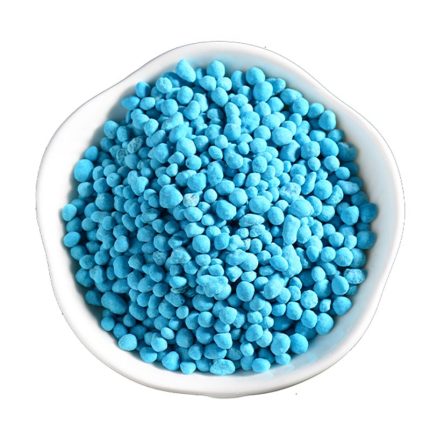

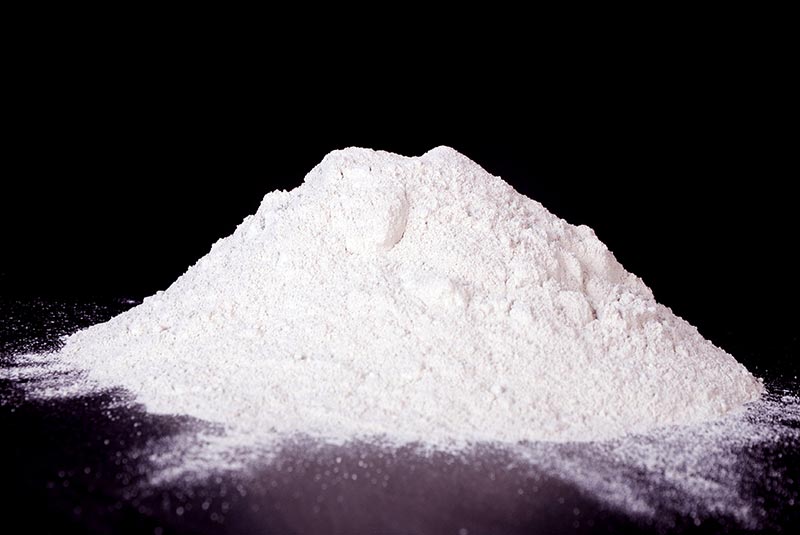
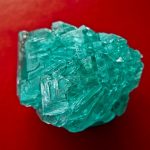

Manganese sulphate provides essential micronutrient for crops.
Manganese sulphate (MnSO₄) is a versatile inorganic compound primarily used as a micronutrient supplement in agriculture and animal feed and as a precursor in various industrial processes, including battery and pigment manufacturing. It is typically a pale pink solid that is highly soluble in water.
Key Properties
Manganese sulphate forms several hydrates, with the monohydrate (MnSO₄·H₂O) being the most common commercially available form.
Chemical Formula: MnSO₄ (anhydrous)
Appearance: White crystals when anhydrous, but typically a pale pink crystalline solid in its hydrated forms
Solubility: Highly soluble in water; its solubility increases with temperature
Melting Point: 710°C (anhydrous)
Density: 3.25 g/cm³ (anhydrous); 2.95 g/cm³ (monohydrate)
Primary Uses
Manganese sulphate is widely used across multiple sectors due to its role as an essential source of manganese.
Agriculture: It is widely used in fertilizers and as a foliar spray to correct manganese-deficient soils, which helps improve crop yields (especially for soybeans, wheat, and oats) and enhance plant health and disease resistance.
Animal Feed: It is a crucial dietary supplement for livestock and poultry, ensuring proper nutrition for bone development, reproduction, and overall metabolic function.
Industrial Applications:
Battery Manufacturing: It is a key material in synthesizing manganese dioxide (MnO₂), which is used in dry-cell and lithium-ion batteries.
Chemical Precursor: It serves as an intermediate for producing other manganese compounds used in various chemical syntheses.
Pigments and Ceramics: It is used to produce pigments for paints and cosmetics, and for red glazes on porcelain.
Water Treatment: It is employed to remove impurities like iron and other manganese compounds from water supplies.
Textiles: It functions as a mordant in textile dyeing, helping to fix colors to fabrics.