
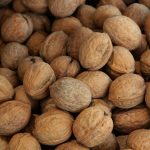

Hazelnuts: A Versatile Nut Powering Culinary Innovation
Hazelnuts possess a uniquely rich flavor and creamy texture that makes them indispensable in modern food manufacturing. From decadent chocolate confections to artisanal baked goods, these nutrient-dense nuts transform ordinary products into extraordinary culinary experiences. Their growing popularity reflects consumer demand for both indulgence and nutrition in everyday foods.
The Origins of Hazelnuts
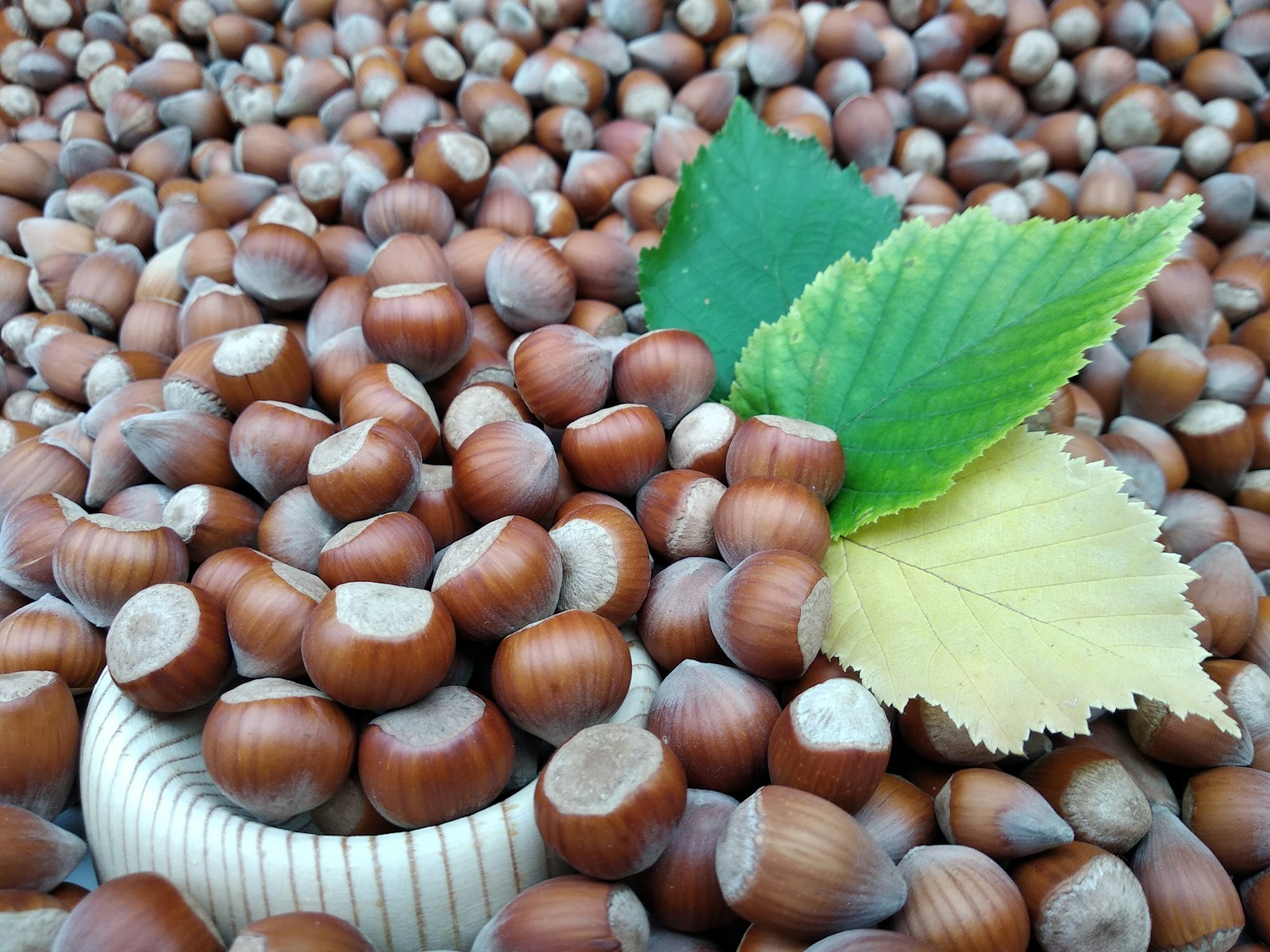
Cultivated for millennia, hazelnuts (also called filberts) grow within protective husks on hazel trees across temperate regions worldwide. Turkey dominates global production, supplying nearly 75% of commercial harvests, while Oregon’s Willamette Valley leads U.S. cultivation. The harvesting process involves meticulous shaking of tree branches in autumn, followed by careful drying to preserve optimal moisture levels before cracking.
Nutritional Powerhouse
Beyond their buttery taste, hazelnuts deliver impressive health benefits. Rich in heart-healthy monounsaturated fats and vitamin E, a single ounce provides nearly 20% of daily magnesium requirements and significant amounts of B vitamins. Their antioxidant profile surpasses most nuts, offering protective compounds like proanthocyanidins that combat cellular damage. This nutritional density positions hazelnuts as both a functional ingredient and guilt-free indulgence.
Transformative Role in Chocolate and Confectionery
The marriage of hazelnuts and chocolate represents one of food manufacturing’s greatest success stories. When finely ground into silky paste, hazelnuts form the soul of gianduja – the luxurious Italian blend that revolutionized chocolate production. This innovation solved cocoa shortages during Napoleonic blockades and later spawned iconic products like Nutella, where hazelnuts comprise over 50% of the recipe. Their natural oils prevent chocolate crystallization while adding nuanced depth, enabling confectioners to:
– Create smoother textures in truffles and pralines
– Balance sweetness with earthy notes in filled chocolates
– Incorporate visual appeal through roasted halves enrobing bonbons
– Reduce overall sugar content while maintaining richness
This synergy extends beyond chocolate bars into syrups, icings, and specialty coffee flavorings where hazelnuts replicate complex vanilla-like notes economically.
Bakery Innovations with Hazelnuts
In bakery manufacturing, hazelnuts serve multifaceted functions. Finely milled flour substitutes portions of wheat flour in gluten-free pastries while enhancing moisture retention. Whole roasted pieces deliver crunch in biscotti and granola clusters, and their oils naturally extend product shelf life. Artisan bakers increasingly favor hazelnut paste over almond marzipan for its deeper flavor profile in festive stollen and Danish pastries.
Emerging Culinary Frontiers
While chocolate and bakery applications dominate current usage, innovative manufacturers are unlocking hazelnuts’ potential in savory sectors. Examples include:
– Crusted coatings for plant-based proteins
– Thickening agents in dairy-free soups and sauces
– Nutrient boosters in snack bars and breakfast cereals
– Oil extraction for premium dressings and sautés
Hazelnut milk continues gaining market share against almond alternatives, praised for its creamier mouthfeel and robust nutritional content.
Sourcing Complexities
The hazelnut supply chain faces sustainability challenges. Price volatility driven by crop yields in Turkey impacts manufacturers globally. Initiatives like the Ferrero Farming Values program promote ethical cultivation, addressing concerns ranging from irrigation practices to fair labor standards. Novel cultivation regions including Chile and the Caucasus emerge as climate change reshapes growing zones.
Tomorrow’s Hazelnuts
Looking forward, selective breeding aims to develop cultivars resistant to eastern filbert blight while enhancing flavor consistency. Plant scientists anticipate up to 30% yield improvements through genomic mapping. Automation in harvesting promises to reduce production costs, though发展和加工面临着严峻的挑战。
Ultimately, hazelnuts’ journey from ancient wild shrubs to industrial super-ingredient showcases nature’s remarkable adaptability. As consumer preferences evolve toward plant-forward nutrition without sacrificing pleasure, these humble nuts will continue revolutionizing pantries worldwide—proving that great flavors often come in small packages.