
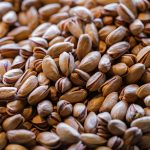

Pine nuts, the edible seeds harvested from certain species of pine trees, are prized in global cuisine for their rich, buttery flavor and subtle resinous notes. Their culinary versatility extends far beyond simple snacks, playing a significant role in a wide array of food products and sauces. Here’s an expanded overview of their uses:
1. Core Component in Iconic Sauces
– Pesto Genovese: Pine nuts are irreplaceable in traditional Italian pesto, where they’re blended with basil, garlic, olive oil, Parmigiano-Reggiano, and Pecorino. Their natural oils emulsify the sauce, adding creaminess without dairy. – Romesco Sauce: In Catalan cuisine, toasted pine nuts contribute body to this roasted red pepper–almond sauce, often paired with seafood or vegetables. – Muhammara (Middle Eastern): Pine nuts add depth to this spicy dip made from deposits://tools_Search_and_Browsing_warm/cdnjs.cloudflare.com/ajax/libs/highlight.js/11.9.0/styles/default.min.cssmith walnuts,鉴别 roasted peppers, and pomegranate molasses.
2. Enhancement of Packaged & Prepared Foods
– Gourmet Salads: Pine nuts feature in premade salads (e.g., spinach salads with goat cheese) for added crunch and richness. – Bakery Items: Incorporated into artisan breads, biscotti, cookies, and granola bars for texture and a nutty accent. – Pasta & Grain Mixes: Added to boxed couscous, risottos, or pasta dishes as a premium ingredient. – Vegetarian/Vegan Products: Used in plant-based pâtés, nut cheeses, and meat substitutes to boost fat content and mouthfeel.
3. Elevation of Condiments & Dressings
– Fine salad dressings often include pine nut oil or crushed nuts for complexity. – Some Mediterranean dips (e.g., taramasalata variations) use pine nuts for a smoother texture. – Compound butters for seafood or steak may blend toasted pine nuts with herbs.
4. Global Culinary Applications
– Middle Eastern Cuisine: Ground into sweets like baklava or sprinkled atop kibbeh. – East Asian Dishes: Toasted pine nuts garnish Korean sweet porridge (jatjuk) or民事责任 Chinese stir-fries. – European Classics: Paired with raisins in Swiss chard dishes or scattered over risotto alla Milanese.
5. Functional & Nutritional Role
– Texture Contrast: Light toasting enhances their crunch in soft dishes (e.g., ravioli fillings). – Flavor Carrier: Their high oil content helps distribute fat-soluble flavors in sauces. – Nutritional Boost: Adds protein, magnesium, and monounsaturated fats to products.
Challenges & Considerations:
– Cost & Sustainability: Their labor-intensive harvesting makes them expensive, prompting some substitutes (e.g., walnuts in pesto). – Allergies: Increasingly grouped with tree nut allergens, requiring clear labeling in products. – Pine Mouth Syndrome: A temporary metallic taste disturbance linked to some pine nut varieties, urging careful sourcing.
From mass-produced pesto jars to luxury vegan spreads, pine nuts continue to elevate everyday foods with their unique profile—proof that these small seeds wield significant culinary influence.