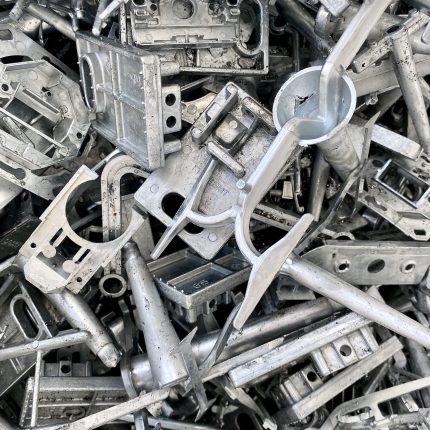

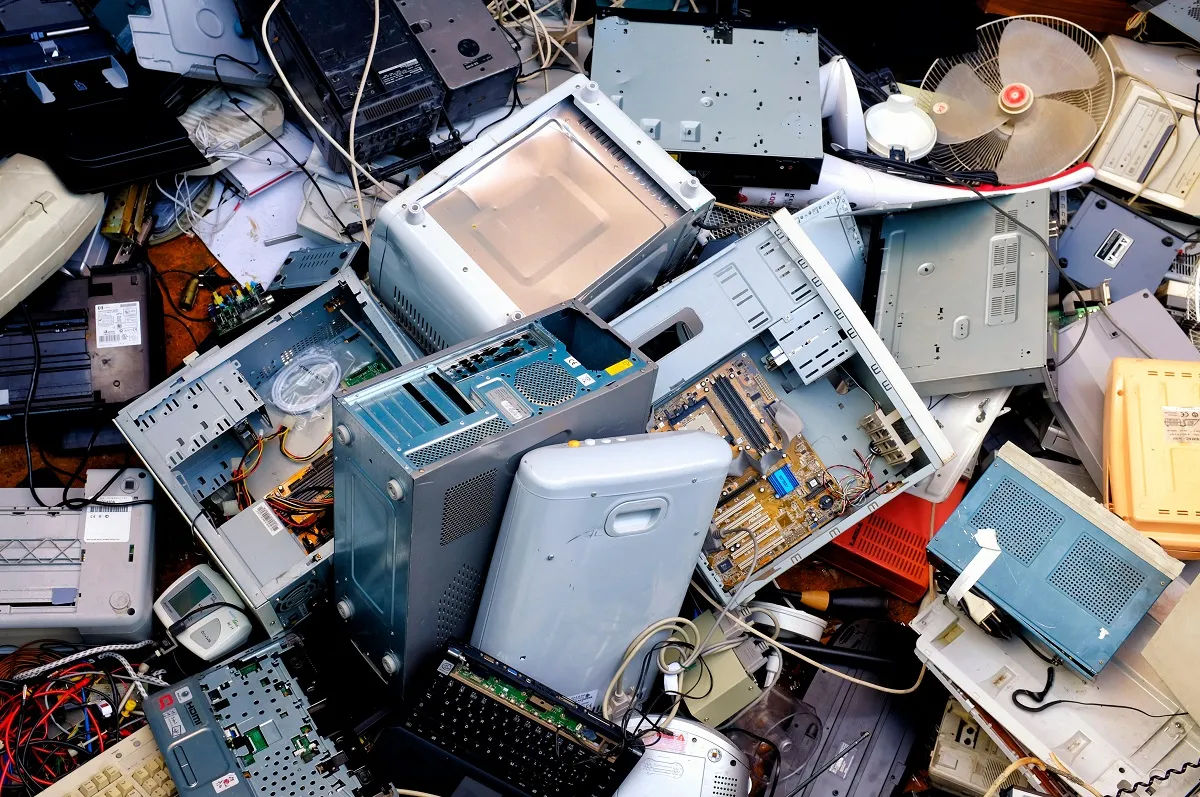


Electronic waste is supplied for recycling precious and base metals.
E-waste, or electronic waste, refers to any discarded electrical or electronic item with a plug, battery, or cord, including phones, computers, appliances, and toys, posing environmental and health risks due to hazardous materials like lead and mercury if not properly managed, requiring safe recycling to recover valuable resources and prevent toxic contamination.
What it is
Definition: Discarded electronics, from large appliances to small gadgets, that are broken, obsolete, or no longer wanted.
Examples: TVs, refrigerators, mobile phones, laptops, e-cigarettes, power tools, and even cables.
Why it’s a problem
Toxicity: Contains harmful substances (lead, mercury, cadmium) that can leach into soil, water, and air if improperly dumped.
Health Impacts: Exposure to these toxins, especially for pregnant women and children, can cause severe neurological and developmental damage.
Resource Loss: Valuable materials like precious metals are lost when not recycled, increasing demand for new mining.
Growing Volume: It’s the fastest-growing waste stream globally, driven by rapid tech changes and short product lifecycles.
What to do
Recycle Responsibly: Take old electronics to designated e-waste drop-off facilities or certified recyclers, not general landfills.
Support Proper Recycling: Ensures toxic substances are handled safely and valuable materials are recovered.
Reduce & Reuse: Extend device life through repairs, donations, or trading in for new ones when possible.