



Dithiophosphate is used as a flotation reagent in mineral beneficiation.
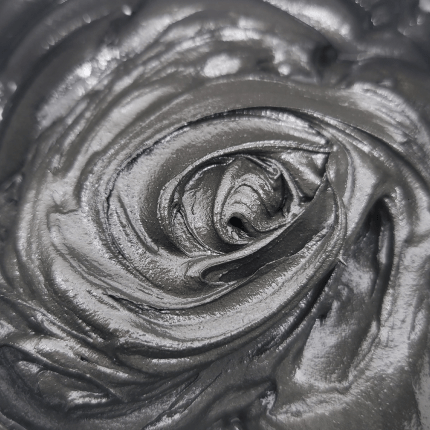
Dithiophosphates are a class of organophosphorus compounds, often appearing as dark green oily liquids or salts (e.g., sodium dithiophosphate, ZnDTP), used primarily as collectors in mineral flotation for sulfide ores. They are valuable for enhancing the recovery of precious metals and platinum-group minerals, acting in acidic conditions where other reagents fail. They are also widely used as anti-wear additives in lubricants, posing risks of skin and eye irritation.
Key Characteristics and Applications
Mineral Processing (Flotation): Dithiophosphates are widely used for collecting sulphide minerals, as they are less sensitive to pH changes compared to xanthates. They are effective for selective flotation, particularly for copper, nickel, and precious metals.
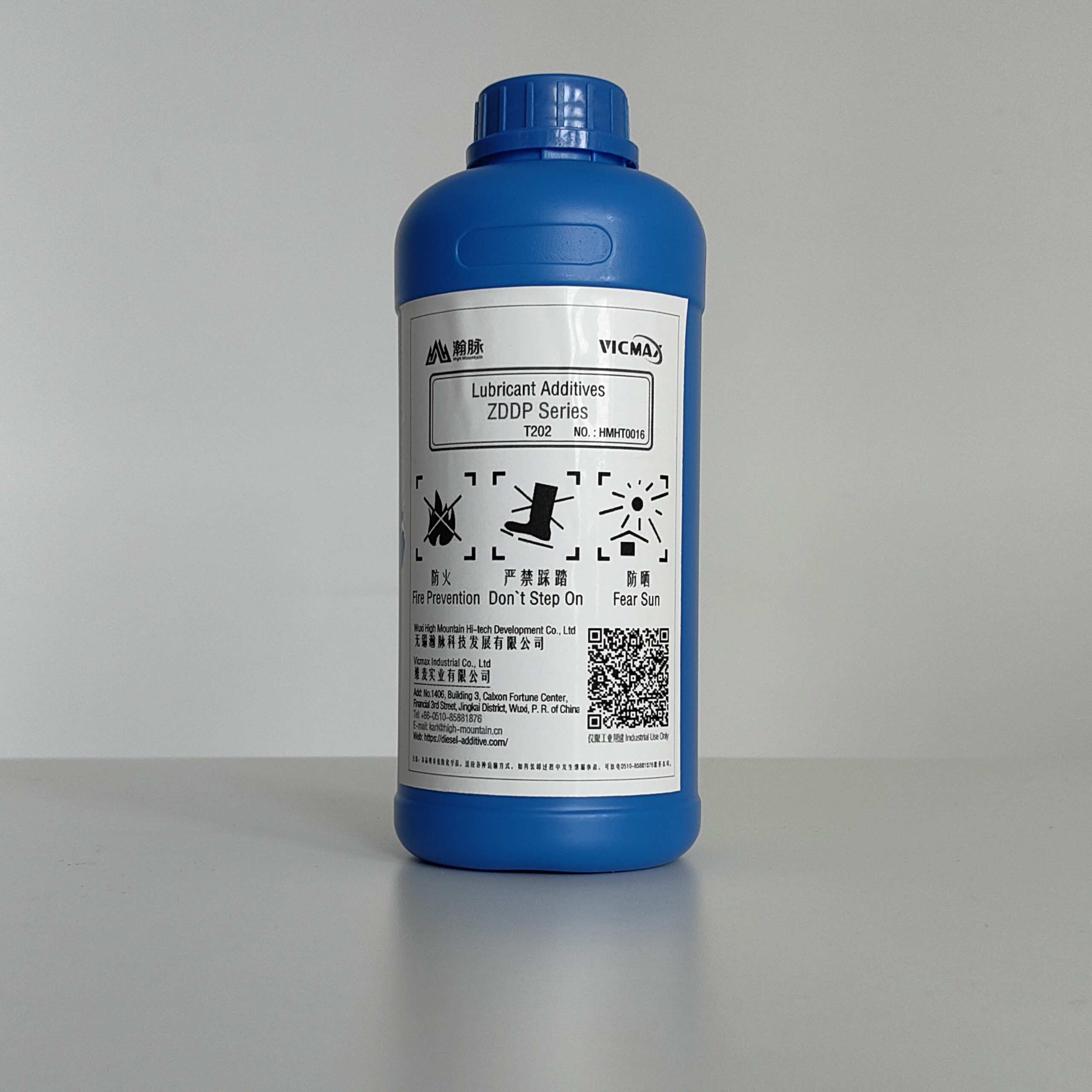
Lubricant Additives (ZDDP): Zinc dialkyldithiophosphates (ZDDP or ZnDTP) are critical anti-wear and antioxidant agents added to lubricants and engine oils to reduce metal-to-metal wear.
Chemical Structure: These compounds, often referred to as dihydrocarbyl dithiophosphates, are derived by replacing oxygen with sulfur in dihydrophosphate.
Toxicity and Handling: Dithiophosphates are corrosive, toxic, and can cause severe skin burns or serious eye damage.
Physical State: They are often supplied as dark green oily liquids or in aqueous solution forms.
Health and Environmental Safety
Exposure to dithiophosphates, particularly zinc-based ones, can cause serious eye irritation and skin damage. They are also harmful to the environment, being toxic to aquatic life with long-lasting effects.
Common Types and Names
Sodium dithiophosphate (Na3PS2O2): Used in mining and often supplied in hydrated or liquid form.
Zinc dialkyldithiophosphate (ZDDP/ZnDTP): A common, oil-soluble anti-wear additive.
Trade names/Variants: Flottec 2200, FloMin C2750, Hydrogen Phosphorodithioate.