



Copper chelate provides copper micronutrient efficiently.
Copper Chelate (Cu EDTA) is a highly effective, water-soluble chelated micronutrient primarily used in agriculture to prevent and correct copper deficiencies in plants. The chelation with EDTA (ethylenediaminetetraacetic acid) makes the copper more available for plant absorption across a wide range of pH levels.
Key Properties & Specifications
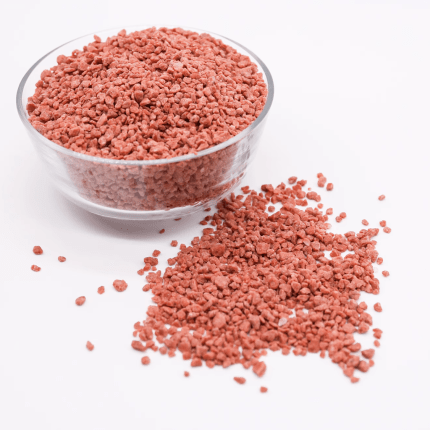
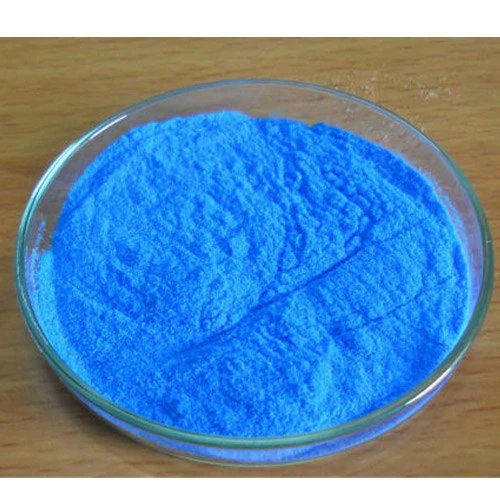
Copper EDTA is typically available as a fine blue powder or a clear blue liquid solution.
Chemical Name: Ethylenediaminetetraacetic acid, copper disodium complex (EDTA-CuNa₂).
CAS No: 14025-15-1.
Appearance: Fine blue powder or granules.
Copper (Cu) Content: Commonly found in formulations with 12% to 15% chelated copper.
Solubility: Highly water soluble.
pH Stability: The chelate is stable and remains absorbable by plants in solutions or root environments with a pH range of approximately 5 to 9 (though specific ranges may vary by product).
Applications
The main application of Copper Chelate Cu EDTA is in plant nutrition, but it can also have other industrial uses.
Agriculture: Used as a fertilizer to address and prevent copper deficiencies in various crops, applied via foliar sprays, soil applications, fertigation, or hydroponic systems.
Plant Physiology: Copper plays a vital role in processes like photosynthesis, respiration, nitrogen metabolism, protein synthesis, and hormone synthesis. Using Cu EDTA can enhance crop quality and help plants resist adverse conditions such as pests, diseases, and weather.