

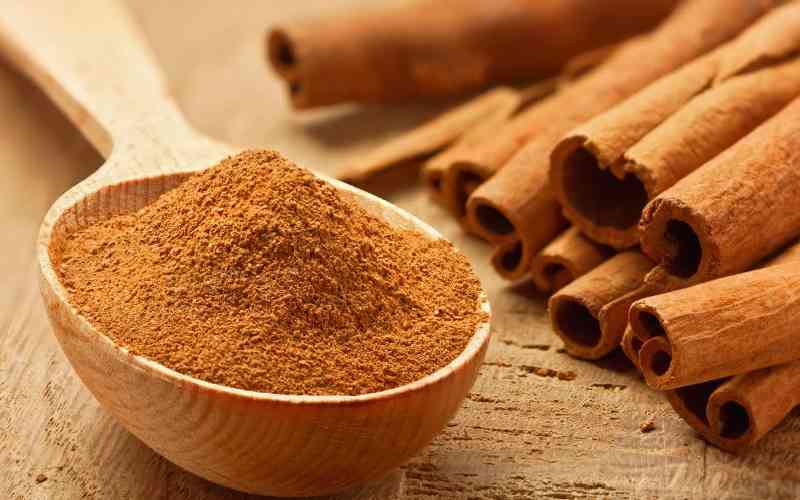



Cinnamon is supplied as a spice commodity for food processing baking and flavoring applications.
Cinnamon is a highly aromatic, sweet, and woody spice derived from the inner bark of Cinnamomum trees, commonly used in ground or stick form for baking, cooking, and beverages. It offers potential health benefits, including antioxidant and anti-inflammatory properties, improved blood sugar regulation, and reduced cholesterol. The two main types are Cassia (common) and Ceylon (“true” cinnamon).
Key Aspects of Cinnamon:
Culinary Uses: Widely used in desserts (cinnamon rolls, apple pie), cereals, hot drinks, and savory Middle Eastern dishes.
Varieties: Cassia cinnamon (from Vietnam/Indonesia) is most common, while Ceylon cinnamon is considered the true variety.
Health Benefits: Contains cinnamaldehyde, which may help lower blood sugar, triglycerides, and total cholesterol. It also has anti-inflammatory properties.
Storage: Should be stored in a cool, dark, dry place in a tightly sealed container to maintain flavor, lasting up to a year.
Tips: Ground cinnamon should not be added to boiling liquids as it loses flavor, and it pairs well with chocolate, fruits, and in savory dishes.