

Boron fertilizers supply boron micronutrient for plant development.
Boron fertilizer provides the essential micronutrient boron for plant growth, crucial for cell wall formation, pollination, and root development, available as water-soluble powders, granules, or liquids for soil application, fertigation, or foliar sprays, but requires careful management as the range between deficiency and toxicity is narrow, with crops like alfalfa, canola, potatoes, and cereals having different needs, often applied early to prevent issues in sensitive crops like cereals and beans.
Types of Boron Fertilizers
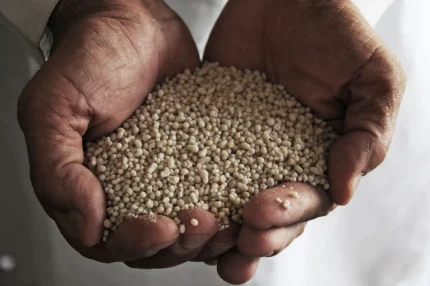
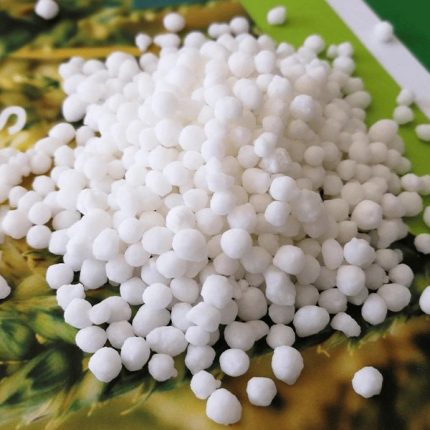
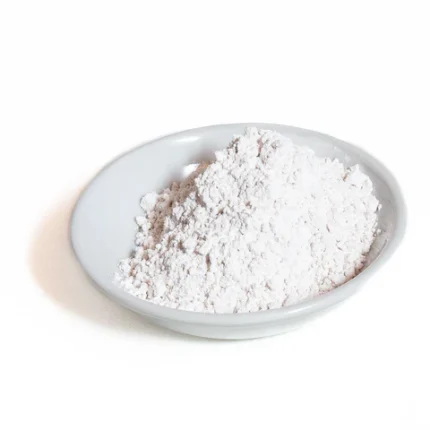
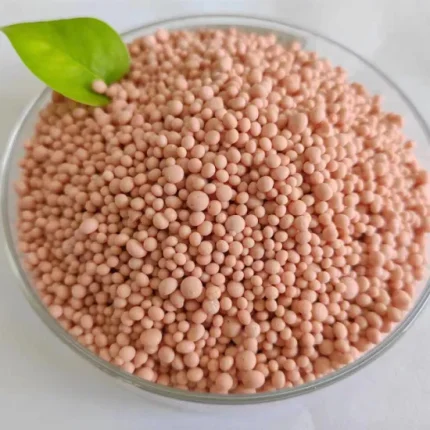
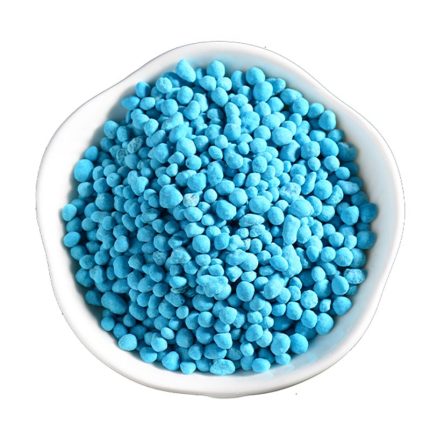
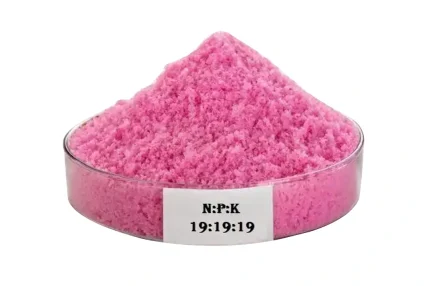
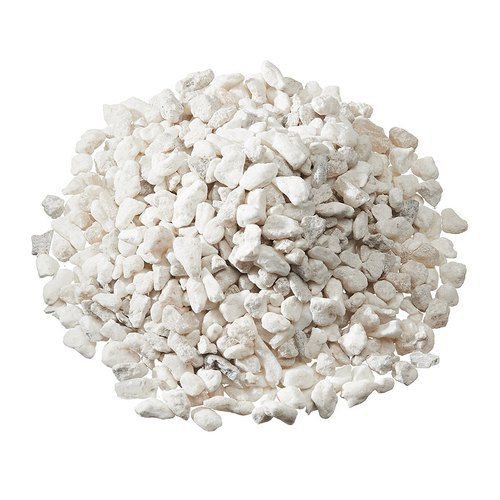
Granular/Powder:
Soluble boric acid or enriched minerals, good for soil application, can be blended with other fertilizers.
Liquid:
Concentrated, water-soluble forms for quick absorption, ideal for foliar feeding or fertigation.
Application Methods
Soil Application: Broadcast or banded, often applied in fall or early spring; cultivation may be needed for sensitive crops.
Foliar Spray: Directly onto leaves for immediate correction; requires proper dilution to avoid leaf burn, best done in early morning or evening.
Fertigation: Mixed with irrigation water for consistent delivery.
Key Considerations
Micronutrient:
Boron is needed in small amounts, but is vital for pollen germination, seed set, root growth, and sugar transport.
Toxicity Risk:
High rates can be toxic, especially to sensitive crops like beans, peas, and cereals (barley, wheat, oats).
Soil Testing:
Crucial for determining deficiency and preventing excess application.
Crop Sensitivity:
Crops like alfalfa and canola are less sensitive than cereals; some (beans, peas) should avoid direct application.
Common Applications
Potatoes: Improves calcium uptake and disease resistance.
Wheat: Promotes pollen germination and seed set.
Fruits & Vegetables: Prevents internal browning and improves quality, but requires precise rates.