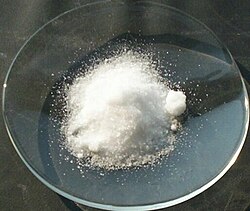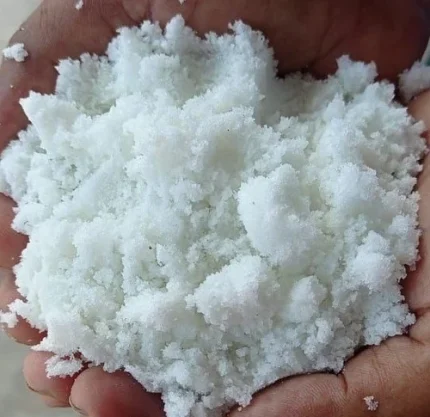

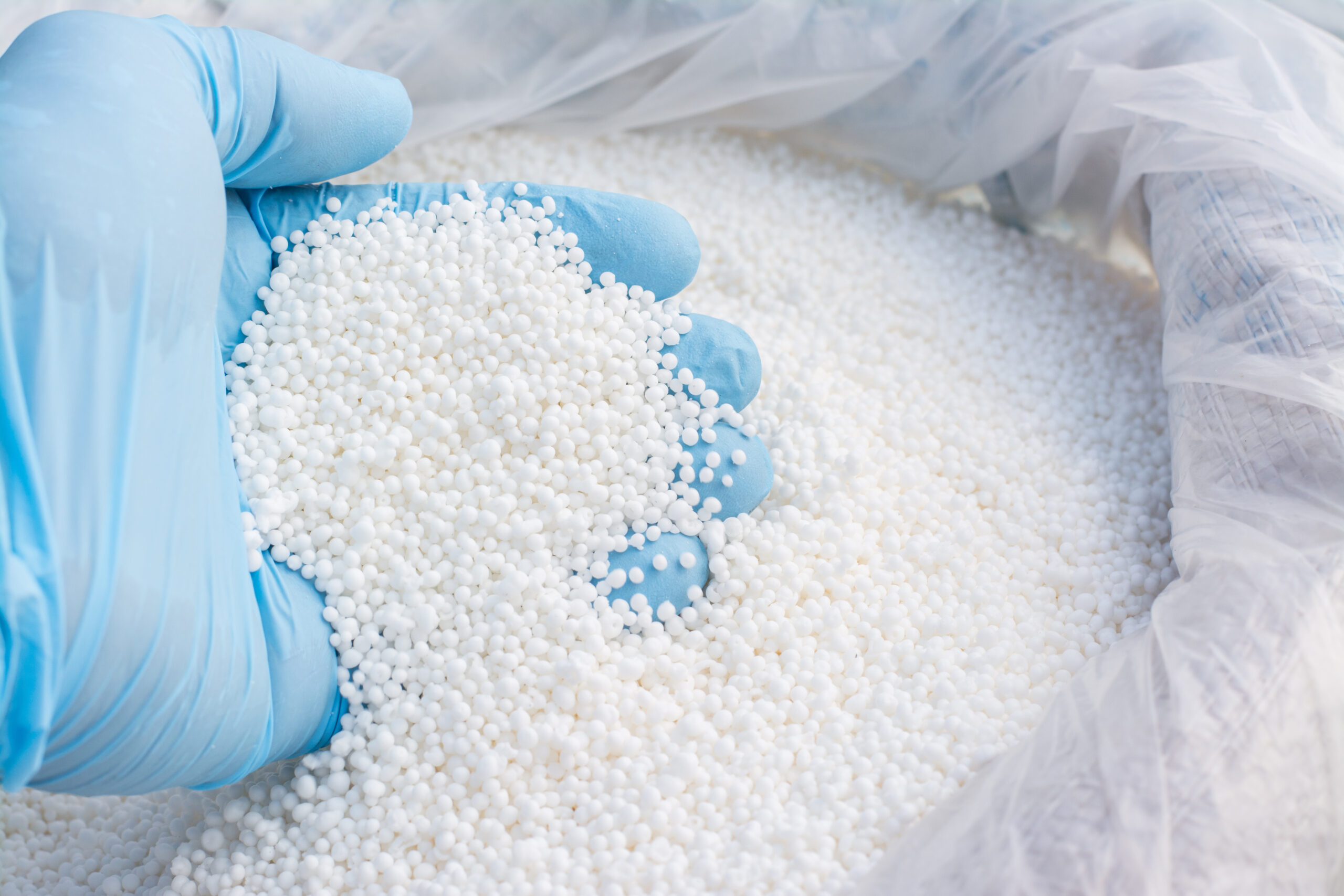


Automotive Adblue Urea is used in emission control and industrial applications.
AdBlue is a high-purity, 32.5% aqueous urea solution (AUS32) used in diesel vehicles with Selective Catalytic Reduction (SCR) technology to reduce harmful NOx emissions into nitrogen and water. It is essential for meeting Euro 6/7 emission standards, requiring top-up every 5,000–7,000 miles, with failure to refill resulting in the engine not starting.
Key Aspects of Automotive AdBlue (Urea)
Composition: AdBlue consists of 32.5% high-purity urea and 67.5% deionized water.
Purpose: It is injected into the exhaust gas, where the urea breaks down to neutralize Nitrogen Oxides
Grade Requirements: Only automotive-grade urea (ISO 22241) should be used, which is free from contaminants like biuret, aldehydes, and heavy metals that can damage SCR systems.
Consumption: Average consumption is about 5 liters of AdBlue per 100 liters of diesel, or roughly 1 liter per 600 miles.
Handling: AdBlue is non-toxic and easy to handle but must be stored away from direct sunlight, extreme heat, and contaminants.
Warning: Running out of AdBlue will stop the engine from starting.
AdBlue vs. Agricultural Urea
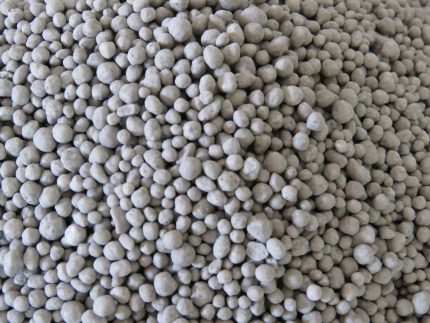
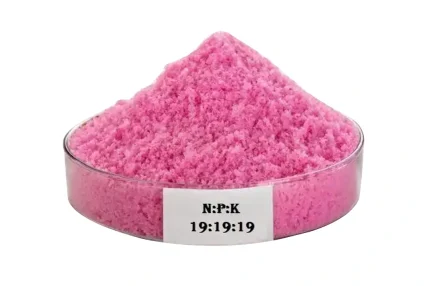
It is critical to use specifically produced automotive-grade urea for AdBlue. Agricultural fertilizer urea is 95–98% pure with high biuret levels and impurities, which will destroy the catalytic converter in an SCR system, whereas automotive urea is ≥99.5%is greater than or equal to 99.5 % ≥99.5% pure.