

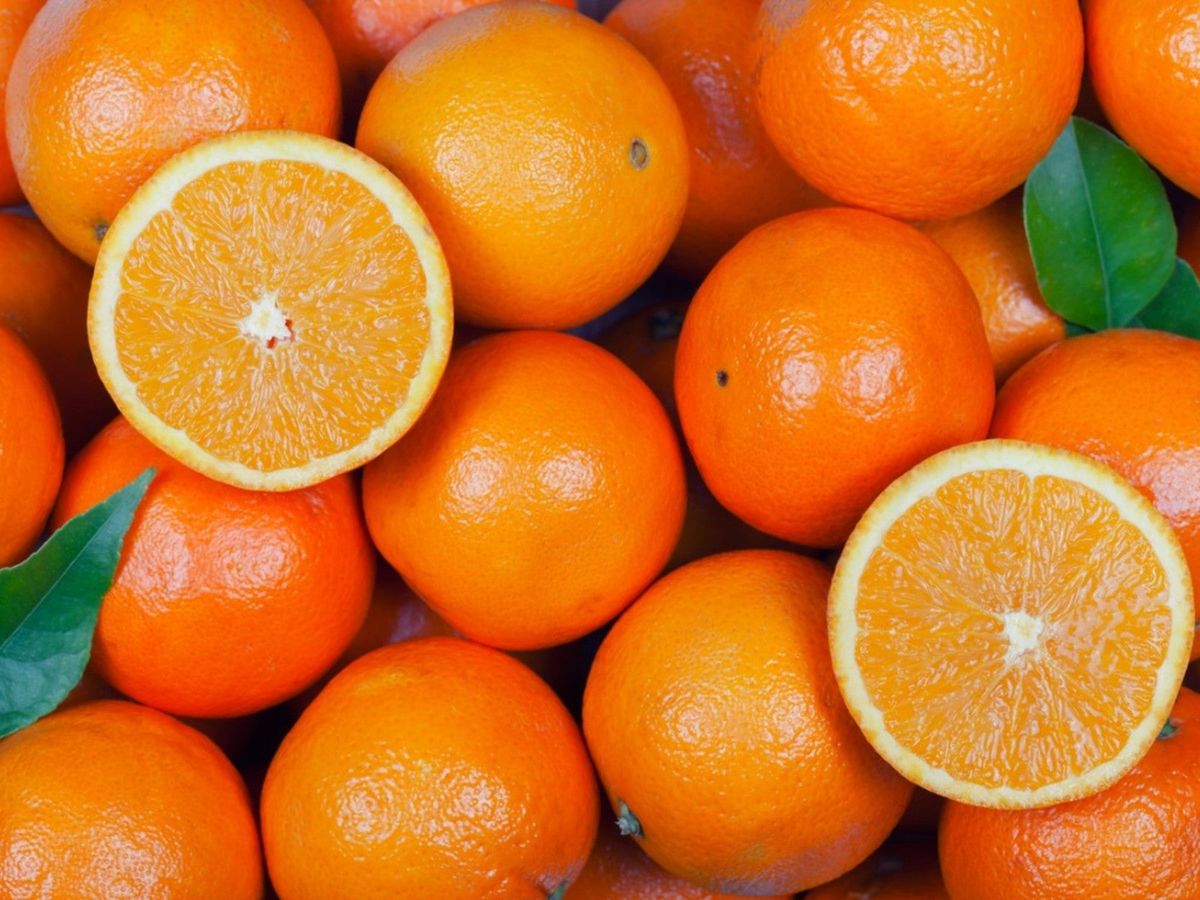



Description
Orange fruits are nutrient-dense foods rich in carotenoids, vitamin C, and antioxidants that boost immunity, improve vision, and promote skin health. Common examples includeNavel and Valencia oranges, mandarins, tangerines, apricots, mangoes, papayas, and cantaloupe. These fruits are often high in fiber and potassium, supporting heart health and digestion.
Key Types of Orange Fruits
-
- Citrus: Navel oranges (sweet), Valencia oranges (juice), Blood oranges (dark flesh), Mandarins, Tangerines, Clementines, and Kumquats.
- Tropical/Other:
Mangoes, Papayas, Apricots, Peaches, Nectarines, Persimmons, and Cantaloupe.
- Less Common: Golden Berries, Calamansi, and Canistel (egg fruit).
Nutritional and Health Benefits
- High Vitamin C & A: Essential for immune system support and eye health.
- Carotenoids: These pigments reduce the risk of heart disease and inflammation.
- Fiber & Potassium: Aid digestion and help regulate blood pressure.
- Low Calorie: Many are nutrient-dense options for healthy snacking or juice.
Common Uses
- Fresh Consumption: Ideal for snacking (especially easy-peelers like clementines).
- Juicing: Valencia and Navel oranges are popular for fresh juice.
- Cooking/Baking: Used in salads, jams, desserts, and smoothies.
- Essential Oils: Peels of bitter oranges are used for flavoring and scents.