


Description
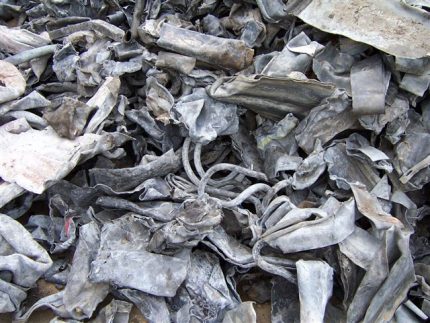
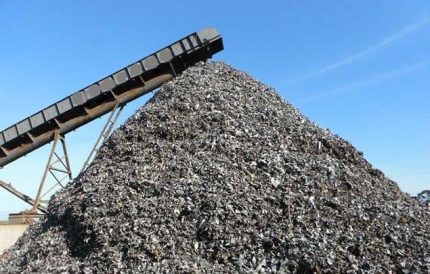
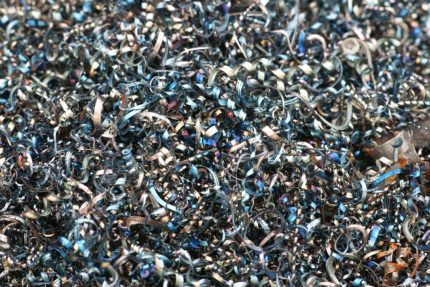
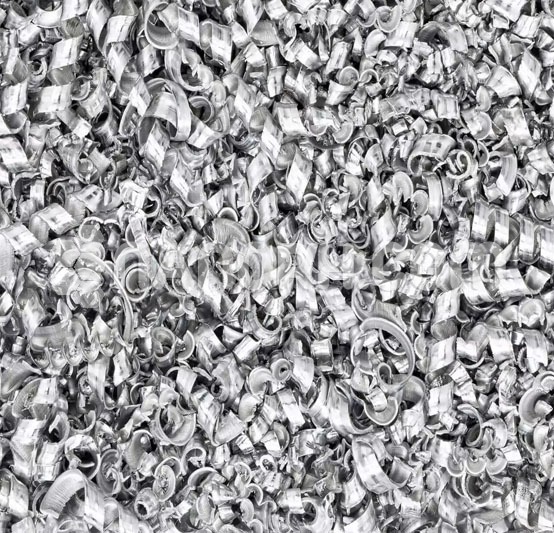
Aluminium milling chips are supplied for recycling and metal recovery.
Aluminium milling chips are often high-value, recyclable materials, typically resulting from 6061, 5052, or 1050 alloys, but may contain coolant oils. Proper management involves briquetting (compacting) to reduce volume by up to 80% and removing contaminants for safe recycling.
Key Characteristics and Processing
-
- Source: Generated from milling, drilling, and turning operations.
- Types: Can be continuous or discontinuous (broken) depending on the alloy, such as 6061.
- Recycling: Chips are often compressed into dense, briquette forms to increase density and efficiency in transport and melting.
- Contamination: Raw chips often contain oils and moisture, which must be removed before melting to ensure quality, notes Fushun Ejet Magnetic Equipment Co.,Ltd.
Milling Process and Chip Formation
-
- Cutting Tools: High-speed milling (HSM) often uses Carbide End Mills (SCEM) at high RPMs, say ISCAR.
- Tool Geometry: Optimal tools for aluminum have high rake angles and fewer flutes (2–3) to prevent clogging and improve chip evacuation, explains this YouTube video.
- Speeds: Cutting speeds for aluminum can range from 1,000–6,000 SFM depending on the alloy and operation, as shown in this article.
For effective recycling, it is important to store chips by grade in protected areas, according to ScienceDirect.