

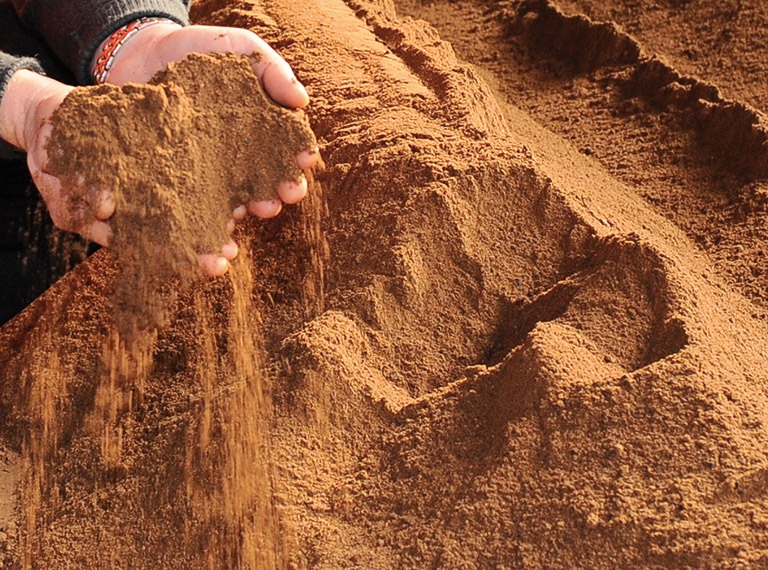

Palm kernel meal is supplied for ruminant feed formulations and livestock nutrition.
Palm Kernel Meal (PKM) is a fibrous, medium-grade protein byproduct of oil extraction from African oil palm seeds, widely used as a cost-effective, high-energy feed for ruminants, poultry, and pigs. Primarily produced in Indonesia and Malaysia, it typically contains 14–19% protein, 5–12% oil (mechanical) or 0.5–3% (solvent), and is high in dietary fiber.
Key Aspects of Palm Kernel Meal:
Nutritional Value: PKM acts as a valuable source of energy and protein in animal diets, often helping to increase butter fat levels in dairy cattle. It is also known to enhance immune response and antioxidant capacity in certain livestock.
Production Methods: It is obtained through mechanical pressing (producing Palm Kernel Expeller/PKE with higher fat) or solvent extraction (producing meal with lower fat).
Usage Considerations: While nutritious, it can have low palatability and should often be mixed with, for example, molasses to encourage intake. There is a potential risk of high residual shell content if not properly processed.
Applications: It is largely used for cattle (up to 6kg/day for dairy cows) and has been tested as a partial replacement for soybean meal in poultry diets.


