



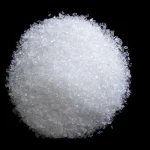

Magnesium oxide is supplied for refractory materials pharmaceuticals and industrial processing.
Medical and Supplement Uses
Magnesium oxide is widely used in medicine, although it has a lower bioavailability than other magnesium supplements, making it less effective for raising systemic magnesium levels in the body. Its primary applications leverage its antacid and osmotic properties.
Antacid and Indigestion Relief: Magnesium oxide acts as an antacid, neutralizing stomach acid to provide relief from heartburn, sour stomach, and acid indigestion.
Laxative for Constipation: It is used as a short-term osmotic laxative. It draws water into the intestines, softening the stool and stimulating bowel movements to help relieve occasional constipation.
Magnesium Supplementation: As a supplement, it helps prevent or treat low magnesium levels (hypomagnesemia) in individuals who cannot get sufficient magnesium from their diet.
Migraine Prevention: Studies suggest that daily doses of magnesium oxide may help reduce the frequency and severity of migraines.
Blood Pressure and Blood Sugar: Research indicates that it may help lower high blood pressure and improve blood sugar management in people with diabetes, though more research is needed.
Industrial Applications
Magnesium oxide’s physical and chemical properties make it valuable across various industries.
Refractory Material: Its exceptional heat resistance and high melting point (around 2,800°C) make it a key ingredient in refractory materials for lining high-temperature furnaces, such as those used in steel production.
Electrical Insulation: Magnesium oxide is an effective electrical insulator with high thermal conductivity, making it suitable as an insulating filler in heating elements and heat-resistant electrical cables.
Construction: It is a principal ingredient in some specialty cements and fireproofing materials (e.g., magnesium oxide wallboards) due to its fire and moisture resistance.
Environmental Remediation: It is used in wastewater treatment and soil remediation to neutralize acidic streams and stabilize heavy metals, as these metals are less soluble at the basic pH levels magnesium oxide provides.
Agriculture: It serves as a source of essential magnesium in animal feeds and fertilizers for plant nutrition.
Important Considerations
Dosage and Administration: Dosage varies by use; for example, typical doses for migraine prevention might be around 500 mg daily, while constipation relief may require higher doses. Always follow package directions or consult a healthcare provider.
Side Effects and Precautions: Common side effects include diarrhea, nausea, and stomach cramps. Individuals with kidney problems are at higher risk of magnesium toxicity (hypermagnesemia) because their bodies struggle to excrete excess magnesium, a potentially fatal condition in severe cases.
Drug Interactions: Magnesium oxide can interact with and reduce the absorption of certain medications, including some antibiotics and bisphosphonates (osteoporosis drugs). Consult a healthcare professional before combining it with other medicines.


