


Ferric ammonium citrate is used in laboratory testing photographic processing and chemical applications.
Ferric ammonium citrate is a reddish-brown or green, water-soluble complex salt used primarily to treat iron deficiency anemia, as a food additive (iron enrichment), in blueprint photography, and as a laboratory reagent. It provides a readily absorbable form of iron, but can cause gastrointestinal side effects like nausea, vomiting, or constipation, as well as darkened stools.
Key Aspects of Ferric Ammonium Citrate:
Medical Uses: Used as an iron supplement for anemia. It has also shown potential antiviral properties in studies, specifically inhibiting certain viral replications.
Medical Side Effects: Common side effects include nausea, constipation, diarrhea, and a metallic taste in the mouth.
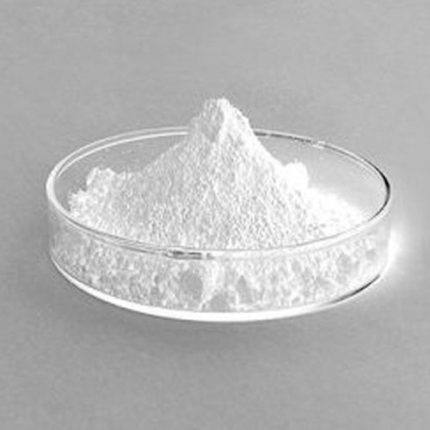
Chemical Properties: Occurs as brownish or green deliquescent (moisture-absorbing) scales or powder, with a faint ammonia-like odor. It contains about 14.5%–18.5% iron, depending on the form.
Industrial Applications: Widely used in blueprint making (cyanotype process) and as a chemical reagent.
Contraindications: Should not be used by individuals with iron overload conditions like hemochromatosis or hemosiderosis.
Drug Interactions: Absorption may be affected by certain medications like Doxycycline or Doxepin.
The compound is considered a safe, iron-supplying food additive but requires careful handling due to its potential as a moderate environmental hazard.