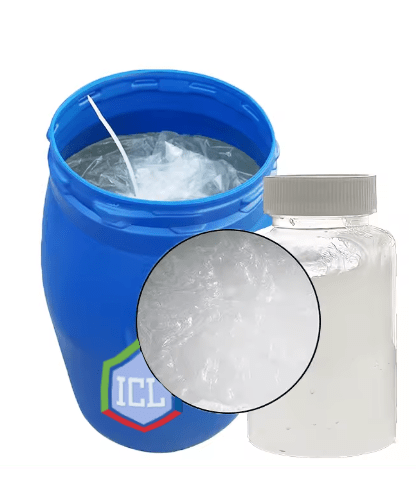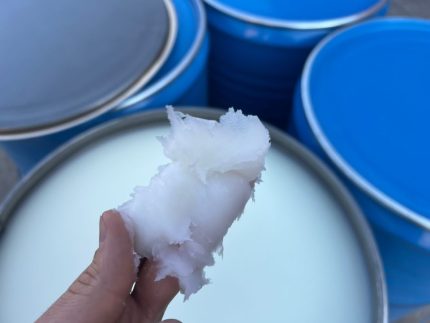

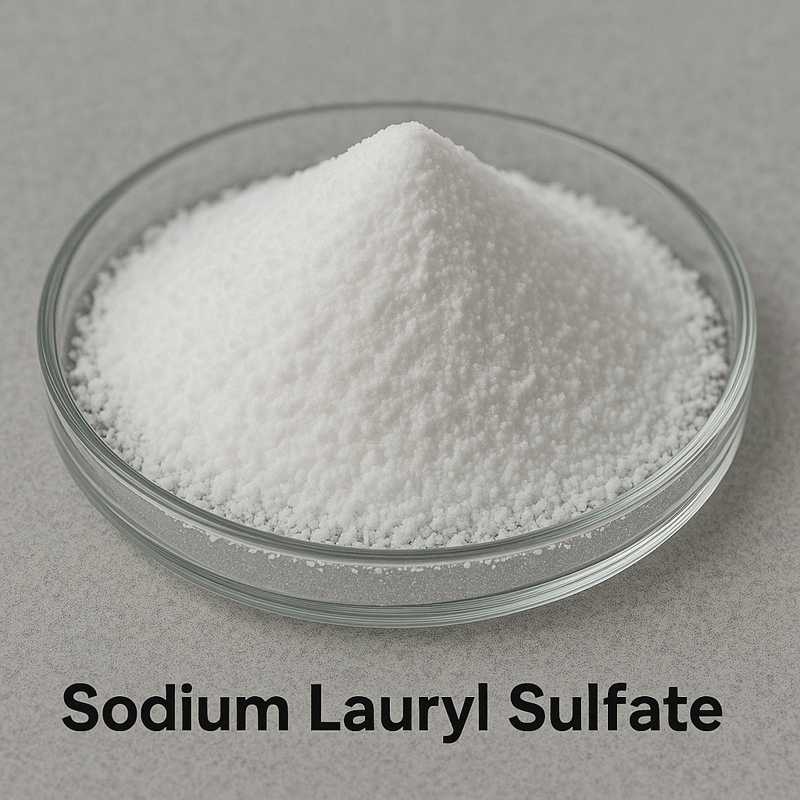

Sodium Lauryl Sulfate SLS
Discover the magic of Sodium Lauryl Sulfate (SLS), a powerful ingredient that makes your favorite cleaning and personal care products work wonders!

Understanding Sodium Lauryl Sulfate: Uses, Benefits, and Considerations
Sodium lauryl sulfate, commonly referred to as SLS, is an anionic surfactant that plays a crucial role in both industrial cleaning and personal care products. This compound is renowned for its ability to create lather and enhance the cleansing properties of various formulations. From shampoos to toothpaste, sodium lauryl sulfate is a widely used ingredient that aids in the emulsification and removal of dirt and oils.
What is it?
Sodium lauryl sulfate is a sodium salt derived from lauryl alcohol, which is a natural fatty alcohol. It features a long hydrocarbon tail that allows it to effectively latch onto oils and dirt, making it particularly beneficial in cleansing applications. Due to its strong surfactant properties, it can effectively lower the surface tension between substances, enabling better mixing and penetration.
Given its ability to produce rich foam, sodium lauryl sulfate is commonly found in a multitude of personal care products. It is often an ingredient in shampoos, body washes, facial cleansers, and even household cleaning agents.
Uses
Sodium lauryl sulfate is employed in a variety of applications, offering both cleaning and foaming capabilities:
Personal Care Products
In the realm of personal care, SLS is favored for its foaming qualities. It’s a common ingredient in products like:
– Shampoos and Conditioners: Sodium lauryl sulfate helps to distribute other ingredients evenly, promotes foam formation, and aids in emulsifying oils and dirt from hair.
– Facial Cleansers and Soaps: With powerful cleansing attributes, SLS effectively removes makeup, excess oils, and impurities from the skin.
– Toothpaste: In oral hygiene products, sodium lauryl sulfate enhances the cleansing action and helps create a pleasant foaming experience during brushing.
Industrial Cleaning Agents
Besides its widespread use in personal care, sodium lauryl sulfate also plays a role in various industrial applications. Its effectiveness as a cleaning agent makes it ideal for:
– Car Washes: SLS is often utilized in formulations designed to remove road grime and dirt from vehicle surfaces.
– Industrial Detergents: It is used in heavy-duty cleaners and degreasers due to its ability to dissolve grease and grime effectively.
Benefits of Sodium Lauryl Sulfate
1. Effective Cleansing: The primary benefit of sodium lauryl sulfate lies in its exceptional ability to lift and remove dirt and oils. This makes it an essential ingredient in many cleansing products.
2. Foaming Action: The extensive foam produced by SLS not only enhances the user experience but also contributes to a thorough cleaning process. The lather makes it easy to spread a product over surfaces, whether skin or hair.
3. Versatility: Sodium lauryl sulfate can be incorporated into various formulations, making it a versatile component in both personal care and industrial cleaning products.
Considerations and Alternatives to Sodium Lauryl Sulfate
While sodium lauryl sulfate is effective, it is essential to consider some potential drawbacks. Some individuals may experience skin irritation, especially those with sensitive skin. It might disrupt the natural oils on the skin or scalp if used excessively.
Due to these concerns, consumers and manufacturers have started to explore alternative surfactants that provide similar effects with reduced irritancy. Ingredients such as sodium coco-sulfate, decyl glucoside, and cocamidopropyl betaine are becoming popular choices for those seeking gentler options.
Conclusion
Sodium lauryl sulfate is a powerful and widely-used surfactant that serves dual purposes in both personal care and industrial cleaning applications. With its remarkable cleansing capabilities and foaming action, SLS has proven to be a staple in various products, making it easier to maintain hygiene and cleanliness. However, as awareness around skin sensitivity grows, it is vital to weigh the benefits against potential drawbacks. Consumers looking for gentler alternatives can explore various surfactant options without compromising on cleaning efficacy. Regardless of the choice, understanding sodium lauryl sulfate and its implications can empower users to make informed decisions about the products they use.