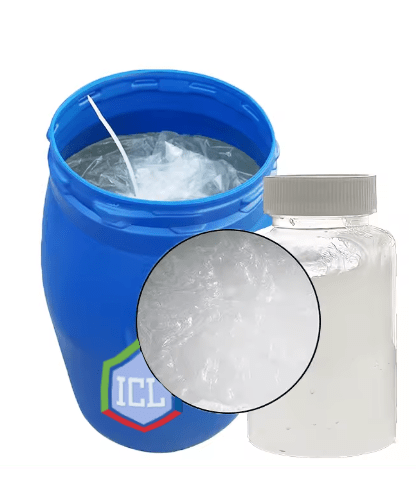

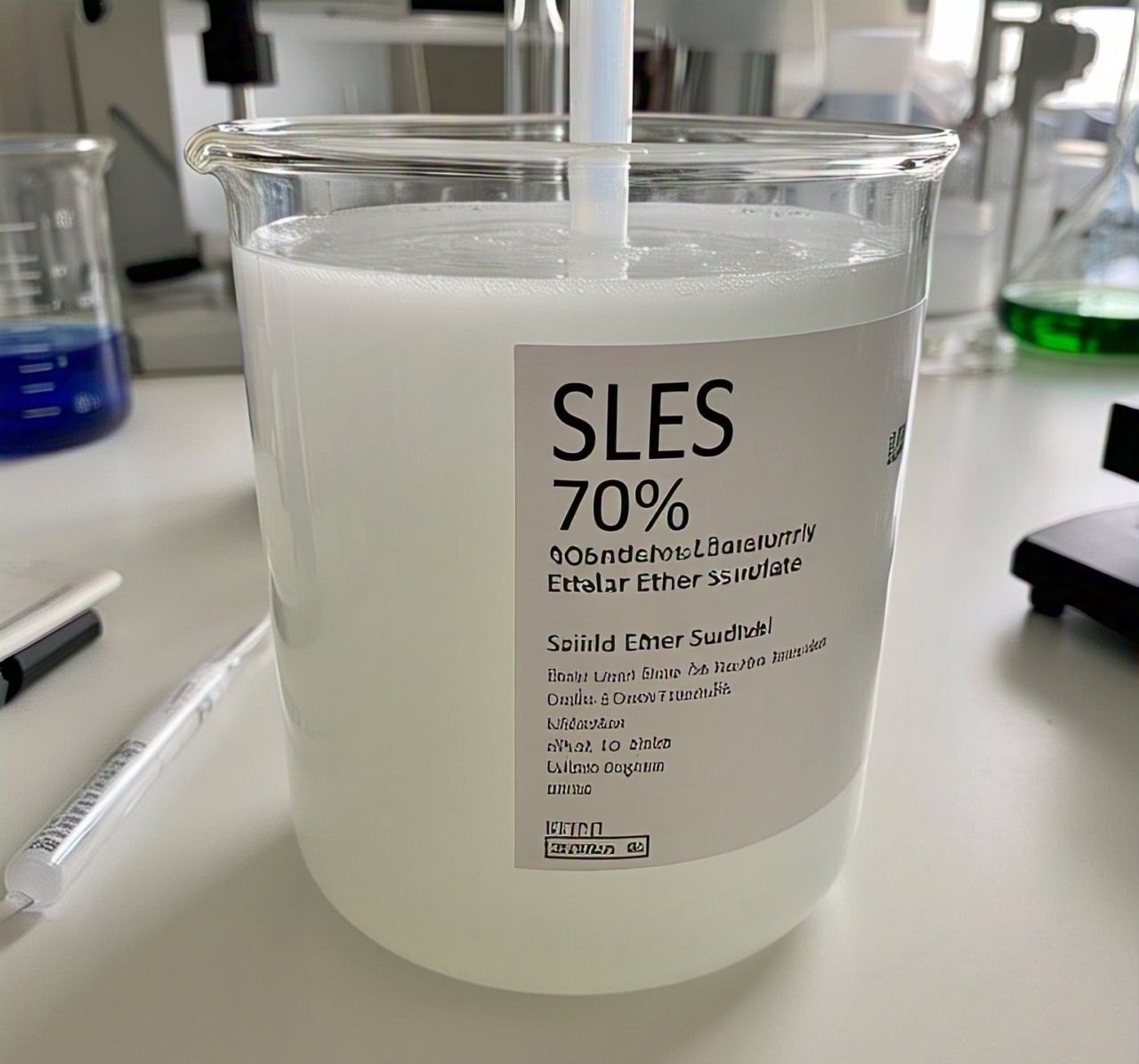

SLES 70 Percent
Discover the power of Sodium Laureth Sulfate at 70%—your secret ingredient for creating high-performance detergents and personal care products that truly stand out!

Understanding SLES 70 Percent: A Key Ingredient in Detergents and Personal Care Products
Sodium laureth sulfate, commonly known as SLES 70 percent, is a powerful surfactant widely utilized in both household cleaning products and personal care items. Its effectiveness at breaking down oils, dirt, and grime makes it an essential ingredient in many formulations, contributing to the cleaning and foaming properties that consumers expect.
What is SLES 70 Percent?
SLES 70 percent is essentially a concentrated form of sodium laureth sulfate, containing 70 percent active surfactant. This compound is derived from natural sources, primarily coconut or palm oil, and undergoes a rigorous saponification process that transforms fatty acids into surfactants. As a result, SLES 70 percent becomes a versatile agent, increasing the efficacy and quality of various products.
The Role in Cleaning Products
In the realm of detergents, the use of SLES 70 percent cannot be overstated. This powerful ingredient serves to reduce surface tension, allowing water to penetrate oily surfaces more easily. It excels in breaking up grease, lifting stains, and providing that satisfying lather consumers have come to expect in liquid soaps, shampoos, and other cleaning agents.
Additionally, the high concentration of SLES 70 percent means just a small amount can lead to excellent performance levels, contributing to cost-effectiveness in product formulations. Manufacturers often favor SLES 70 percent due to its ability to create rich foam and improve applications, making it a staple in the industry.
Applications of SLES 70 Percent in Personal Care
Beyond household cleaning, SLES 70 percent is found extensively in personal care products. It is crucial in shampoos, body washes, and facial cleansers, where its foaming and emulsifying properties enhance the overall user experience. The gentle yet effective cleansing action makes SLES 70 percent suitable for various skin types, appealing to a broad consumer base.
However, it is important to note that while SLES 70 percent effectively removes dirt and oils, it can be somewhat harsh on sensitive skin. Therefore, many manufacturers are exploring combinations of SLES with gentler agents or formulations that include additional moisturizing ingredients to mitigate any potential irritation.
Is SLES 70 Percent Safe to Use?
Safety is a major concern for consumers when choosing products containing SLES 70 percent. The good news is that numerous studies have evaluated its safety profile. Regulatory bodies, including the Cosmetic Ingredient Review, have classified SLES as safe for use in cosmetics and personal care items when formulated correctly.
That said, some consumers might experience mild skin irritation, especially if they have exceptionally sensitive skin or if products contain high concentrations of SLES without additional soothing agents. Therefore, consumers are advised to perform patch tests and choose products catering to their skin type.
Environmental Considerations
With eco-consciousness rising among consumers, it’s worth noting the environmental impact of SLES 70 percent. While it is biodegradable under the right conditions, the sourcing process can bring up concerns related to palm and coconut oil production. Responsible manufacturers often seek sustainable sourcing practices to minimize environmental damage, such as deforestation and loss of biodiversity.
Conclusion
In summary, SLES 70 percent is a highly effective surfactant that plays a vital role in the formulation of detergents and personal care products. Its powerful cleaning and foaming properties make it an indispensable ingredient for manufacturers aiming to meet consumer expectations. However, it is essential for both producers and consumers to be aware of the associated benefits and potential drawbacks of using this compound.
As consumers become increasingly informed about the ingredients in their products, the industry will continue to prioritize safety, efficacy, and sustainability. Knowing the facts about SLES 70 percent can empower consumers to make educated choices, balancing their desire for effective cleaning with their concerns for skin health and the environment.