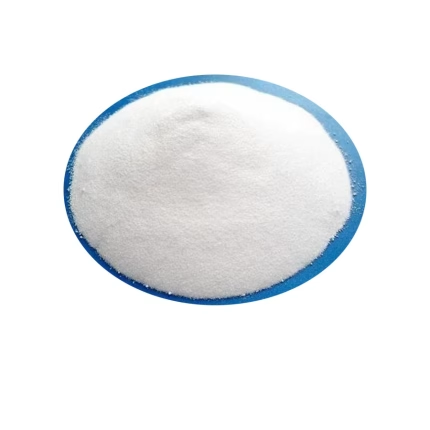

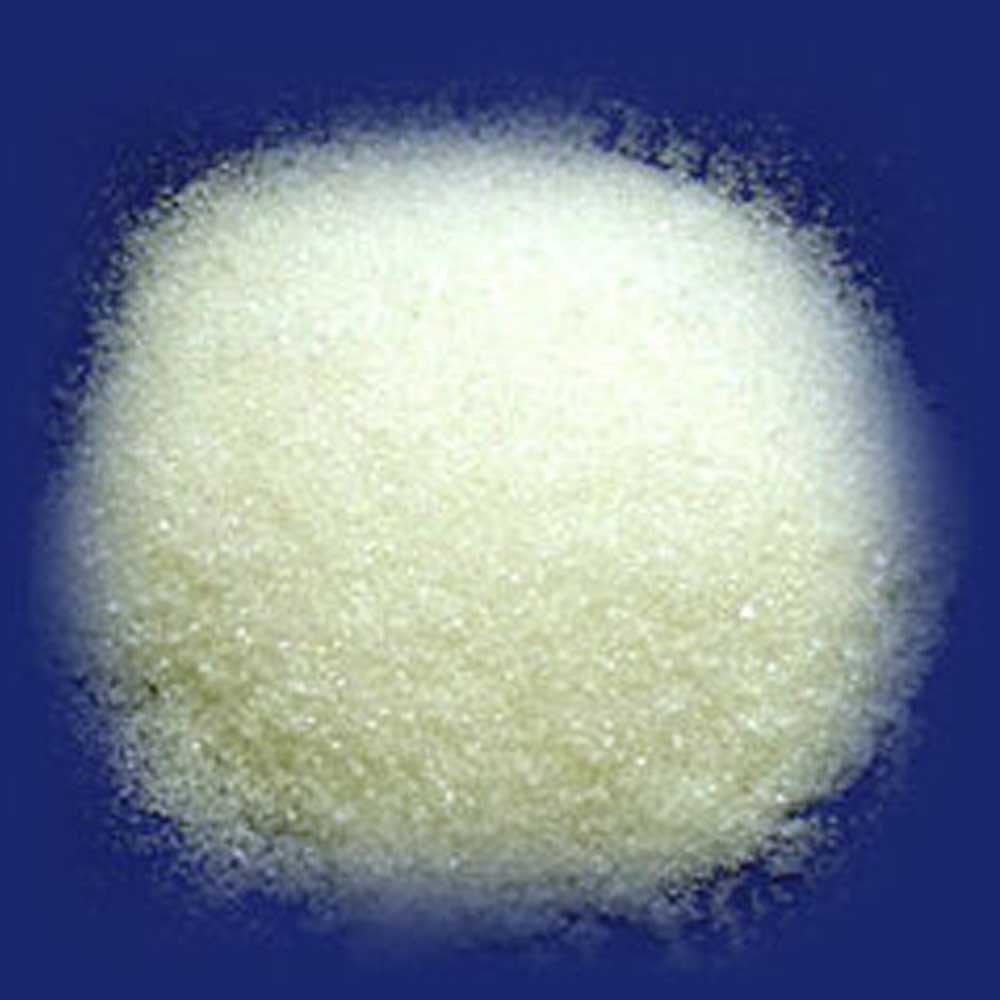

Citric Acid Monohydrate AR
Citric Acid Monohydrate AR suitable for laboratory and industrial applications.

An In-Depth Look at Citric Acid Monohydrate AR
What is Citric Acid Monohydrate?
Citric Acid Monohydrate AR is a highly versatile compound widely used across various sectors, including laboratories, industrial settings, and commercial applications. As a key ingredient in many formulations, its reliability and consistency in quality make it invaluable. Understanding its properties, applications, and handling can significantly enhance its efficiency and utility in both research and manufacturing processes.
Applications of Citric Acid Monohydrate
In the Laboratory
In laboratory settings, it serves as a crucial reagent in numerous chemical reactions and processes. Its ability to act as a buffering agent allows chemists to control pH levels precisely, which is essential in many experiments where maintaining a specific acidity level can affect results and outcomes. Furthermore, its role in preparations for biological assays enhances its relevance in biochemical research.
In Industrial Processes
The industrial applications of Citric Acid Monohydrate are extensive. It is commonly employed in the food and beverage industry as a preservative and flavoring agent. Its acidic properties help to stabilize products, enhance flavors, and extend shelf life, making it a staple in food preparation. Beyond food production, it is also used in cleaning agents and detergents, owing to its ability to dissolve hard minerals and maintain the shine of surfaces.
In Manufacturing
In the realm of manufacturing, Citric Acid Monohydrate plays a pivotal role in the formulation of various products. Its effectiveness in chelating agents makes it an ideal choice in metal cleaning and textile manufacturing. Additionally, it is used in creating biodegradable plastics and as an additive in cosmetics, where it contributes to the desired texture and stability of creams and lotions.
Importance of Quality and Stability
The quality of Citric Acid Monohydrate AR is critical for any application, as variations can lead to inconsistent results. For this reason, it is handled with the utmost care and packaged to preserve its stability and integrity during transport and storage. When selecting a supplier, it is essential to choose one that adheres to strict quality control measures. This ensures that the product you receive meets the required specifications and performance standards.
Proper Storage and Handling
To maintain the quality of Citric Acid Monohydrate AR, it is essential to follow proper storage and handling practices. The product should be stored in a cool, dry environment away from direct sunlight and moisture to prevent degradation. Using airtight containers can further protect against contamination and oxidation. Always utilize personal protective equipment when handling the substance to avoid any potential health risks associated with exposure.
Environmental Impact
As consumers increasingly seek greener alternatives, it has gained recognition for its environmentally friendly properties. Being biodegradable and produced from renewable sources, it presents a sustainable option in various applications. Companies utilizing this compound are not only benefiting from its functional properties but are also contributing to a more sustainable future.
Conclusion: The Versatility of Citric Acid Monohydrate
In summary, Citric Acid Monohydrate AR is an essential compound with diverse applications in laboratories, industrial sectors, and manufacturing processes. Its role as a stabilizing agent, preservative, and chelating agent showcases its versatility and importance across various fields. By choosing high-quality Citric Acid Monohydrate, you ensure reliable performance and efficacy in your applications. As industries continue to move towards sustainability, the demand for such compounds is likely to grow, making it crucial for professionals to understand its properties and best practices for use. Embracing this compound fully could evolve the standards of quality and performance across multiple domains.