

Sorbic Acid
Sorbic Acid suitable for laboratory and industrial applications.

Understanding Sorbic Acid and Its Versatile Uses
Sorbic Acid, a naturally occurring compound, is widely recognized for its remarkable preservative properties. With applications ranging from food preservation to industrial processes, Sorbic Acid plays a crucial role in various sectors. This article delves into Sorbic Acid uses, shedding light on its importance and scope in different fields.
What is Sorbic Acid?
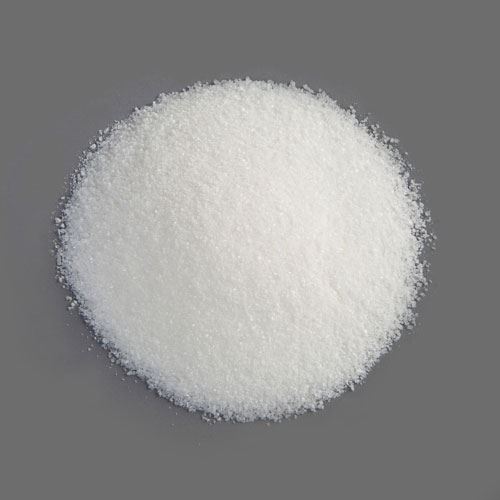
Sorbic Acid is a member of the unsaturated fatty acid family, known chemically as 2,4-hexadienoic acid. Often encountered in a crystalline form, it’s best known for its effectiveness in preventing the growth of mold, yeast, and other microorganisms. This unique characteristic makes it an indispensable ingredient in industries where product longevity and safety are paramount.
Sorbic Acid Uses in Food Preservation
One of the primary Sorbic Acid uses is in the food industry, where it acts as a preservative. It is commonly added to various food products, including baked goods, cheeses, drinks, and dried fruits. By inhibiting the growth of spoilage organisms, Sorbic Acid helps maintain the freshness of these items for extended periods. This not only ensures a longer shelf life but also enhances food safety for consumers.
Sorbic Acid has gained favor due to its effectiveness at low concentrations and its ability to retain the flavor and quality of food products. As consumers increasingly demand cleaner, safer food options, the continuing prominence of Sorbic Acid in formulations highlights its essential role.
Industrial Applications of Sorbic Acid
Beyond food preservation, Sorbic Acid finds significant utility in industrial applications. It is widely utilized in the production of personal care products, cosmetics, and pharmaceuticals. Sorbic Acid helps to stabilize formulations and extends the shelf life of ingredients, ensuring that products remain effective throughout their intended use.
In the paint and coatings industry, Sorbic Acid is also valued for its antifungal properties. It is often incorporated into formulations to prevent microbial growth during manufacturing and application. This usage is critical as it ensures product quality and longevity, reducing the risk of paint degradation over time.
Sorbic Acid in Chemical Processing and Manufacturing
Sorbic Acid uses extend to chemical processing and manufacturing sectors. In laboratory settings, it’s utilized as a reagent and intermediate in the synthesis of other compounds. Its versatility allows chemists and researchers to explore innovative formulations and reactions that contribute to advancements in various fields.
Moreover, manufacturers depend on Sorbic Acid to maintain product integrity during storage and transport. The chemical’s stability under various conditions ensures that quality is upheld at every stage of the supply chain.
Advantages of Using Sorbic Acid
One of the key benefits of Sorbic Acid is its effectiveness as a preservative without significantly altering the sensory characteristics of products. Unlike some synthetic preservatives, Sorbic Acid does not impart unpleasant tastes or odors, making it an ideal choice for industries that prioritize consumer experience.
Additionally, Sorbic Acid is generally recognized as safe (GRAS) by health authorities when used within specified limits, enhancing its appeal in both food and non-food applications. This approval reassures manufacturers and consumers alike about its safety profile, contributing to its widespread adoption.
Conclusion: The Growing Relevance of Sorbic Acid
In an age where product safety and quality are paramount, the versatility of Sorbic Acid cannot be overstated. Its various uses in food preservation, industrial applications, and chemical manufacturing illustrate its importance across multiple sectors. As new formulations evolve, the relevance of Sorbic Acid is likely to expand, ensuring a continued place in both commercial and laboratory settings.
Understanding the diverse Sorbic Acid uses highlights not only its effectiveness but also its integral role in enhancing product longevity and safety. As industries focus on clean and effective solutions, Sorbic Acid stands out as a proven choice for manufacturers and researchers alike, paving the way for innovation and safety in future products.