
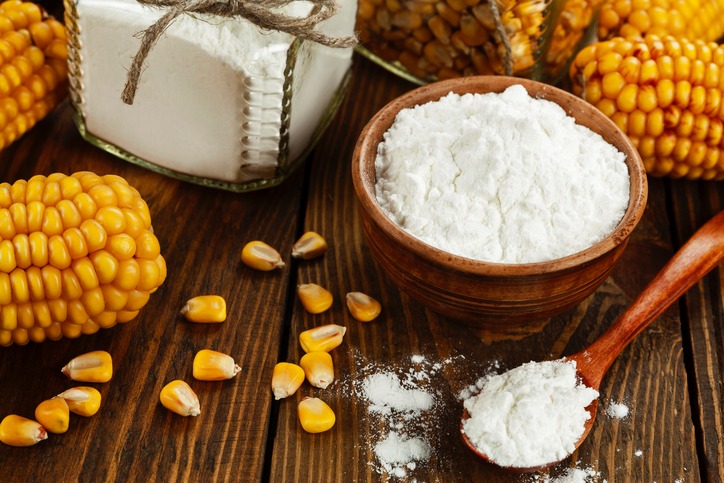


Modified starch is supplied for texture stability and shelf life improvement in food products.
Modified food starch is a processed ingredient—derived from corn, potato, tapioca, or wheat—that is physically, enzymatically, or chemically treated to improve its functionality as a thickener, stabilizer, or emulsifier in processed foods. It enhances texture, heat/acid resistance, and shelf life in items like sauces, frozen foods, and pie fillings.
Key Facts About Modified Food Starch
Function: It is used to thicken, stabilize, or prevent caking in food products. It helps maintain consistency during processing, transport, and storage.
Modification Types: It is altered through physical (heating/roasting), enzymatic, or chemical treatments. This does not mean it is genetically modified (GMO).
Sources:
Common sources include corn, waxy maize, tapioca, potato, and wheat
.
Safety & Allergens: In North America, it is generally considered gluten-free, even when derived from wheat, as the manufacturing process removes the protein. If derived from wheat, it must be listed.
Usage: It is common in instant noodles, sauces, gravies, salad dressings, and pudding.
Benefits in Food Technology
Stability: Provides superior freeze-thaw stability for frozen meals.
Texture: Improves texture and mouthfeel in processed foods.
Resistance: Withstands high temperatures, shearing, and acidic environments better than native starch.