

Catalytic converters are recycled for precious metals.
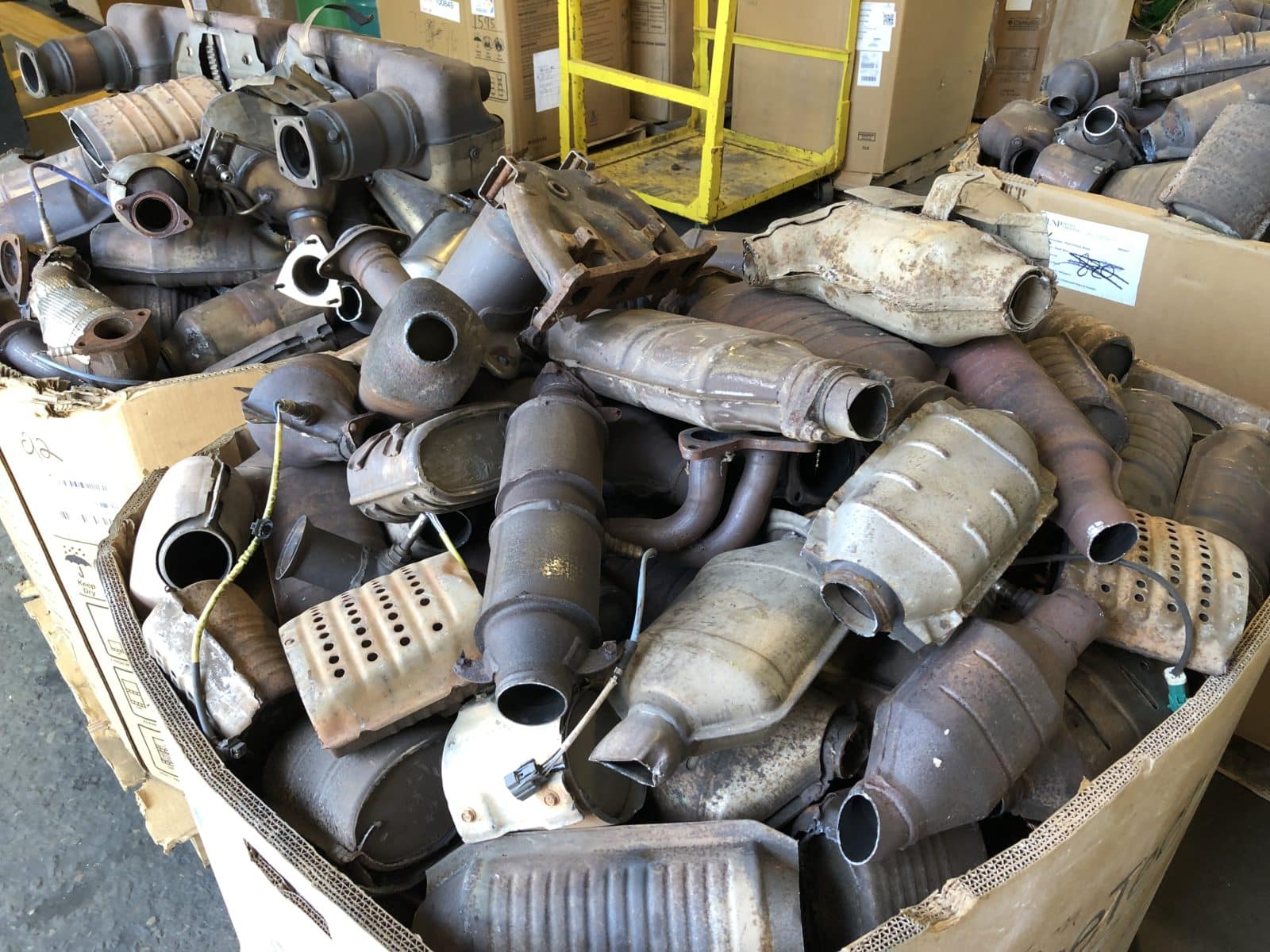
Scrapping a catalytic converter involves selling the component to specialized recyclers for the value of the platinum, palladium, and rhodium it contains. To get the best price, the converter should be kept intact and the serial number provided to the buyer.
How the Value is Determined
The scrap value of a catalytic converter is based on the fluctuating market prices of the precious metals it contains: platinum (Pt), palladium (Pd), and rhodium (Rh).
Vehicle Specifics: The make, model, and year of the vehicle affect the amount of precious metals in the converter, with some OEM converters from luxury or hybrid vehicles (like certain Toyota Priuses) having a significantly higher value.
Condition: Scrapyards use an XRF analyser to determine the exact metal content. They generally prefer converters with the shell and internal honeycomb material intact to verify its origin and value accurately. Loose material or cut-open converters typically fetch a much lower price.
Aftermarket vs. OEM: Aftermarket catalytic converters often contain fewer precious metals than original equipment manufacturer (OEM) units, making them less valuable as scrap.