

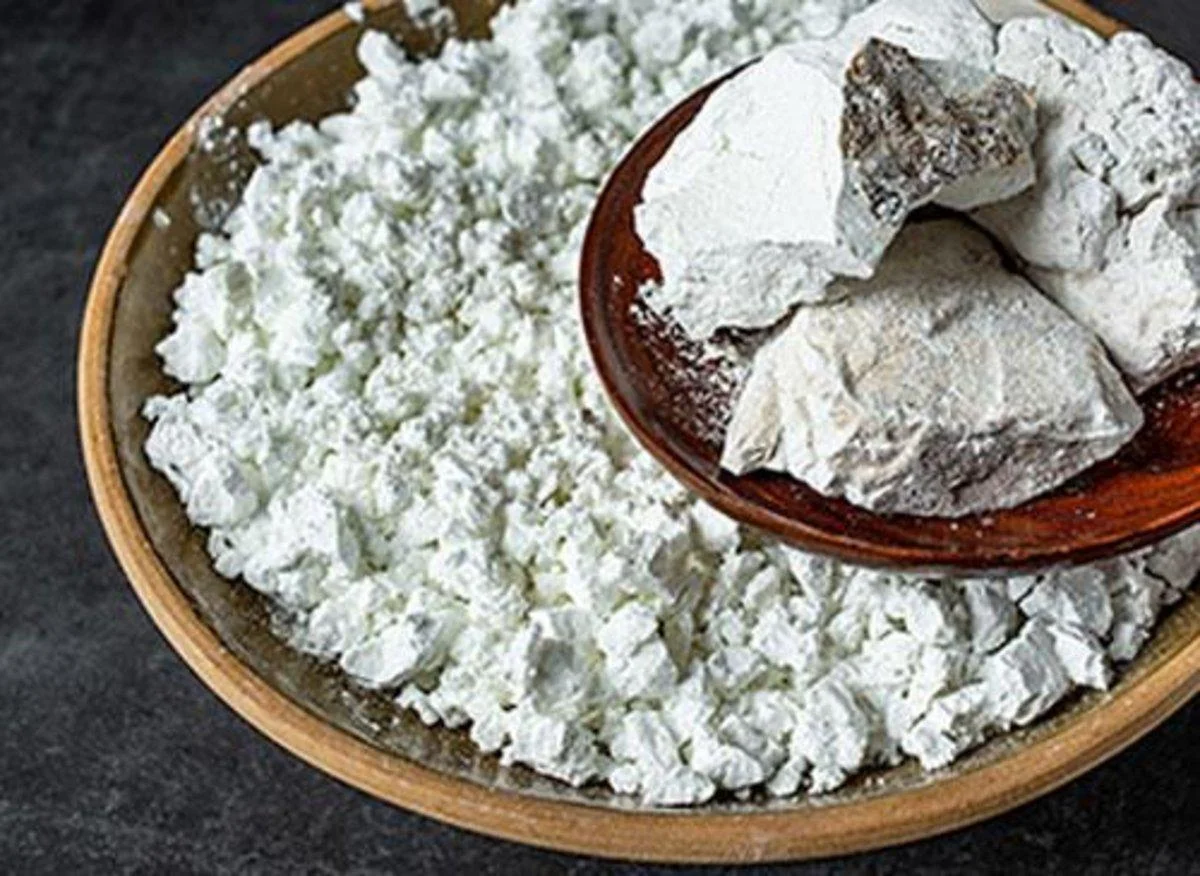


Calcium Hydroxide
Calcium Hydroxide suitable for laboratory and industrial applications.

Calcium Hydroxide: A Comprehensive Overview
Calcium Hydroxide, often referred to as slaked lime or hydrate lime, is a versatile compound with applications across various fields. Whether you’re involved in laboratory research, industrial manufacturing, or commercial formulation, understanding the properties and uses of Calcium Hydroxide is essential for achieving consistent quality and reliable performance in your projects.
What is Calcium Hydroxide?
Calcium Hydroxide is an inorganic compound with the chemical formula Ca(OH)₂. It results from the reaction of calcium oxide (quicklime) with water and appears as a white, odorless powder. This compound has been used for centuries in a wide range of applications due to its unique properties, including its alkalinity, solubility in water, and ability to neutralize acids.
Applications of Calcium Hydroxide
1. Chemical Processing
In the realm of chemical processing, Calcium Hydroxide is a critical reactant. It is primarily employed in environmental applications, such as the treatment of wastewater and flue gases. By neutralizing acidic compounds, Calcium Hydroxide effectively stabilizes pH levels and promotes safer disposal methods. This application ensures that industries remain compliant with environmental regulations while minimizing their ecological footprint.
2. Construction
Calcium Hydroxide plays a vital role in the construction sector. It is a key ingredient in lime mortars and plasters, which contribute to the durability and flexibility of structures. When used in building materials, Calcium Hydroxide aids in the setting and hardening process, improving overall strength and longevity. This is particularly important for historical restoration projects, where maintaining the original material properties is essential.
3. Agriculture
In agriculture, Calcium Hydroxide serves multiple purposes. It is commonly utilized to improve soil quality by raising pH levels in acidic soils, thereby enhancing nutrient availability for crops. Additionally, it is used in the production of calcium fertilizers, promoting healthy plant growth. Farmers also implement Calcium Hydroxide in pest control, as its alkaline nature can deter harmful insects and pathogens.
Handling and Packaging
When it comes to the handling and packaging of Calcium Hydroxide, maintaining stability and integrity is crucial. This compound is sensitive to moisture and must be stored in airtight containers to prevent clumping and degradation. Professional laboratory and industrial settings often prefer bulk packaging options for efficient storage and ease of transport. Proper labeling and safety data sheets are essential to ensure that users are aware of handling procedures and potential hazards.
Safety Considerations
While Calcium Hydroxide is generally safe to handle, it is important to take certain precautions. The compound can cause skin and eye irritation, and respiratory protection is recommended when dust is present. Always wear safety goggles and gloves when handling Calcium Hydroxide to minimize exposure. Additionally, be sure to follow local regulations regarding disposal and transportation to ensure safe and compliant usage.
Conclusion
Calcium Hydroxide is an indispensable compound across various industries, from chemical processing and construction to agriculture. Its diverse applications showcase its importance in promoting sustainable practices, enhancing product quality, and supporting environmental responsibilities. By understanding the multifaceted uses and handling requirements of Calcium Hydroxide, professionals can leverage its benefits effectively while maintaining safety and compliance. Whether you are in a laboratory, an industrial facility, or working on agricultural projects, incorporating Calcium Hydroxide into your processes can lead to improved outcomes and contribute to overall project success.


